Cotton Textile

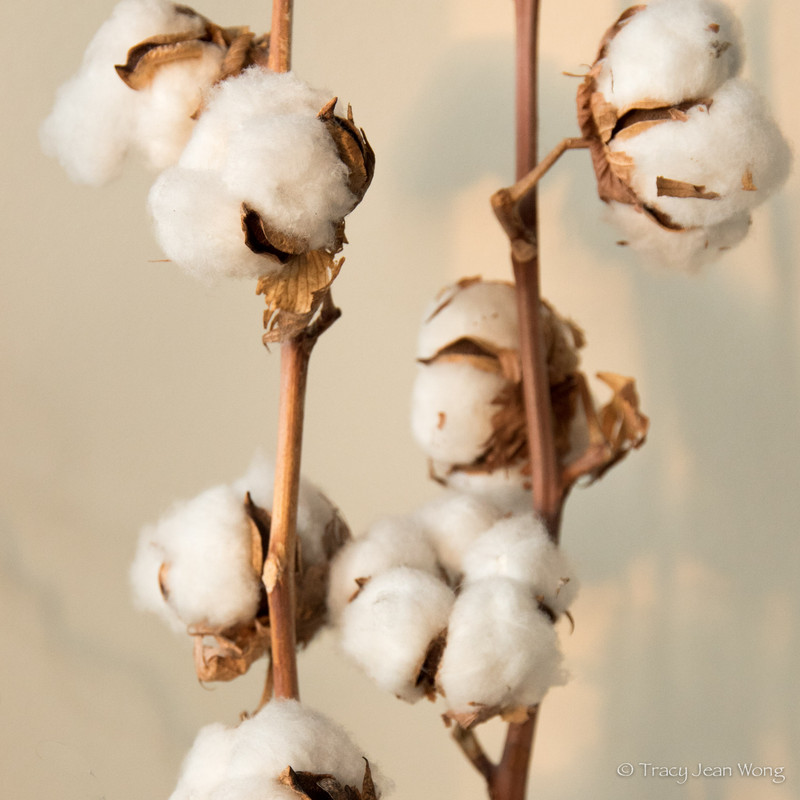
Cotton textile comes from the fluffy cream-coloured fibres of the cotton boll. The fibres that wrap around the seeds of the boll are separated in the mechanical process of ginning and cleaned before being carded and combed. Aligned and straightened fibres are then spun into cotton yarn that can be woven or knitted into fabric. While cotton is grown in many areas of the world, the best quality cotton comes from places where there is plenty of rainfall or irrigation during the growing season and a dry warm picking season.
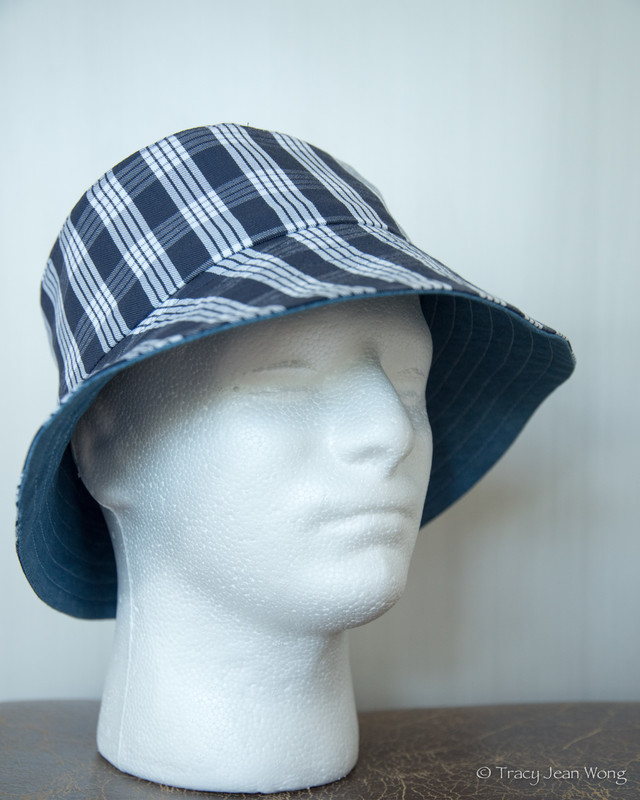
I’ve spent the past few months sewing with a variety of cotton fabrics. Plaids are a favourite and I was introduced to Hawaiian palaka, a plaid or checkered cotton. It first appeared on the islands in the form of a loose-fitting, long-sleeved shirt worn by western sailors. The shirt was sturdy and durable and was adopted by plantation workers. In the past, navy was the only option, but now palaka is made as a lighter weight and is available in many colours.
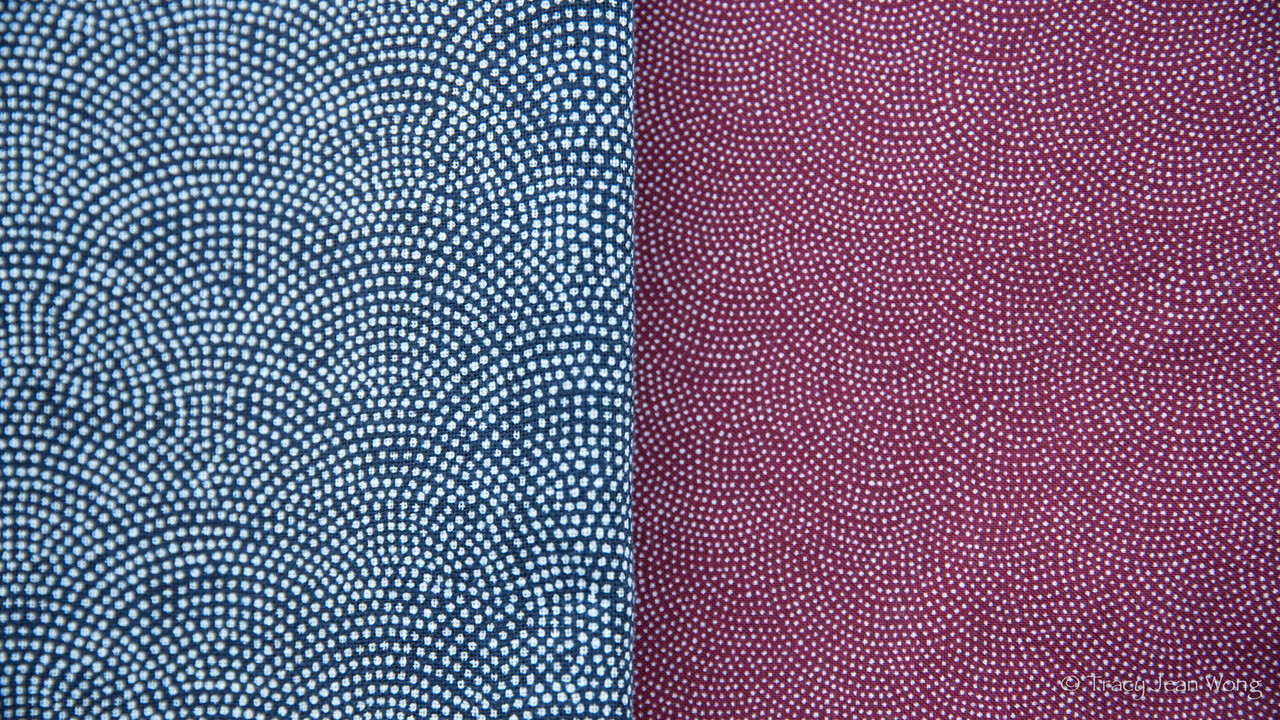
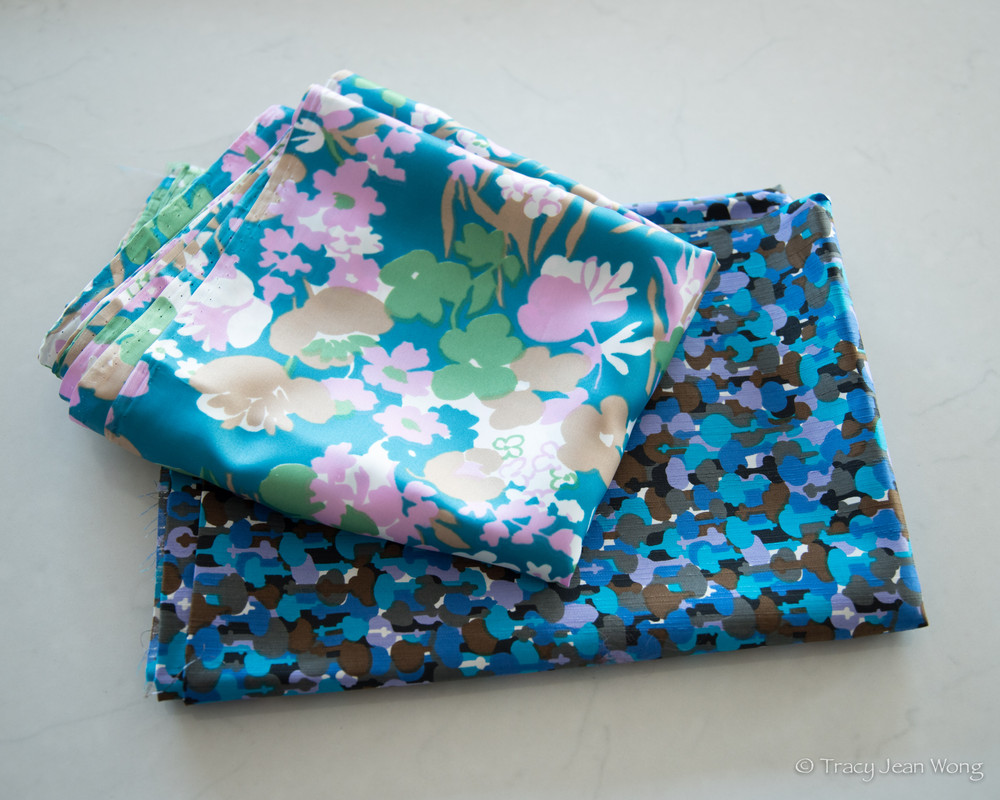
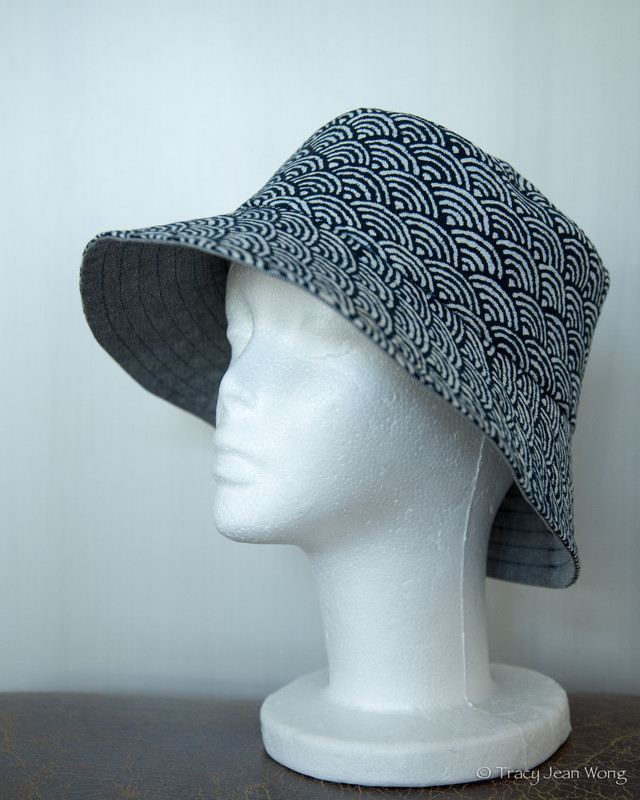
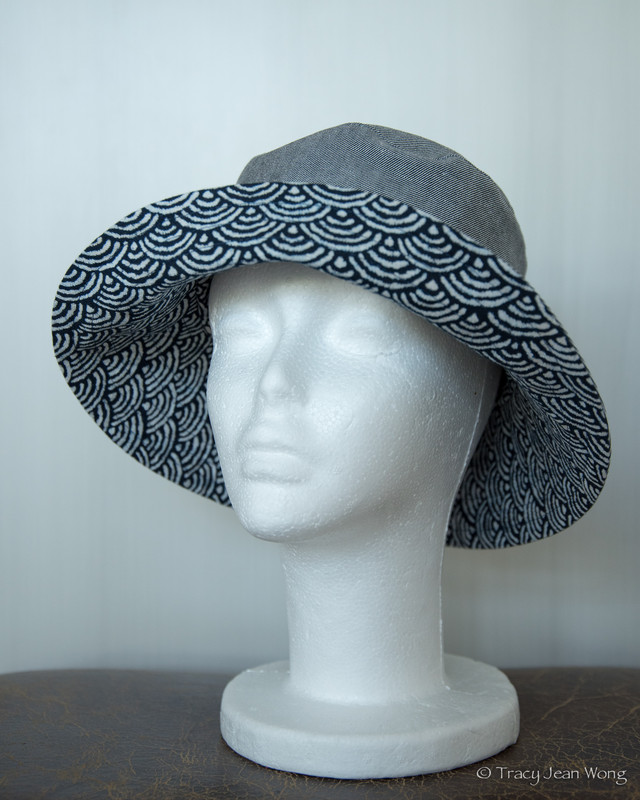
Navy and cream and traditional Japanese designs feature in many Sevenberry cotton fabrics. Kasuri is a Japanese word for fabric that has fibres dyed with specific patterns and images in mind. Above, the medium weight Sevenberry fabrics with dots and circles are Kasuri. Below, the reversible bucket hat was sewn with a Sevenberry cotton with a traditional wave design on one side and cotton denim on the other.
More Bucket Hats

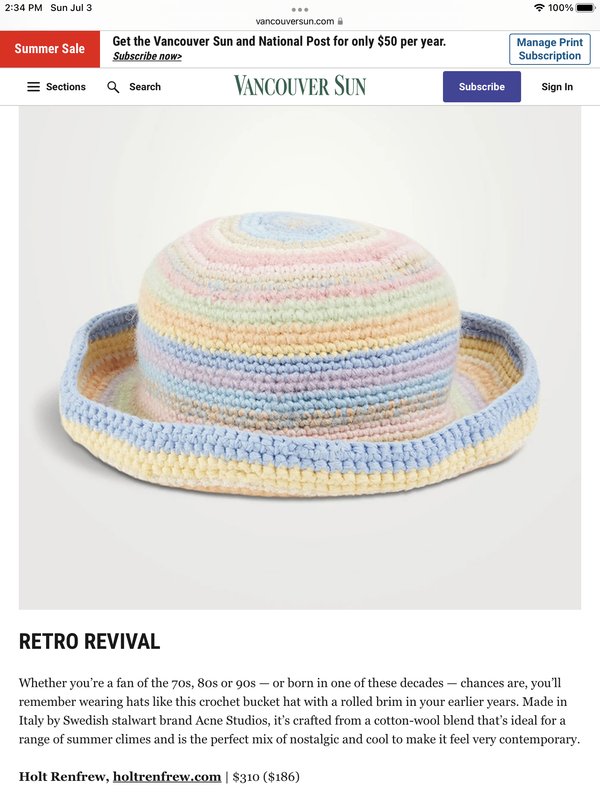
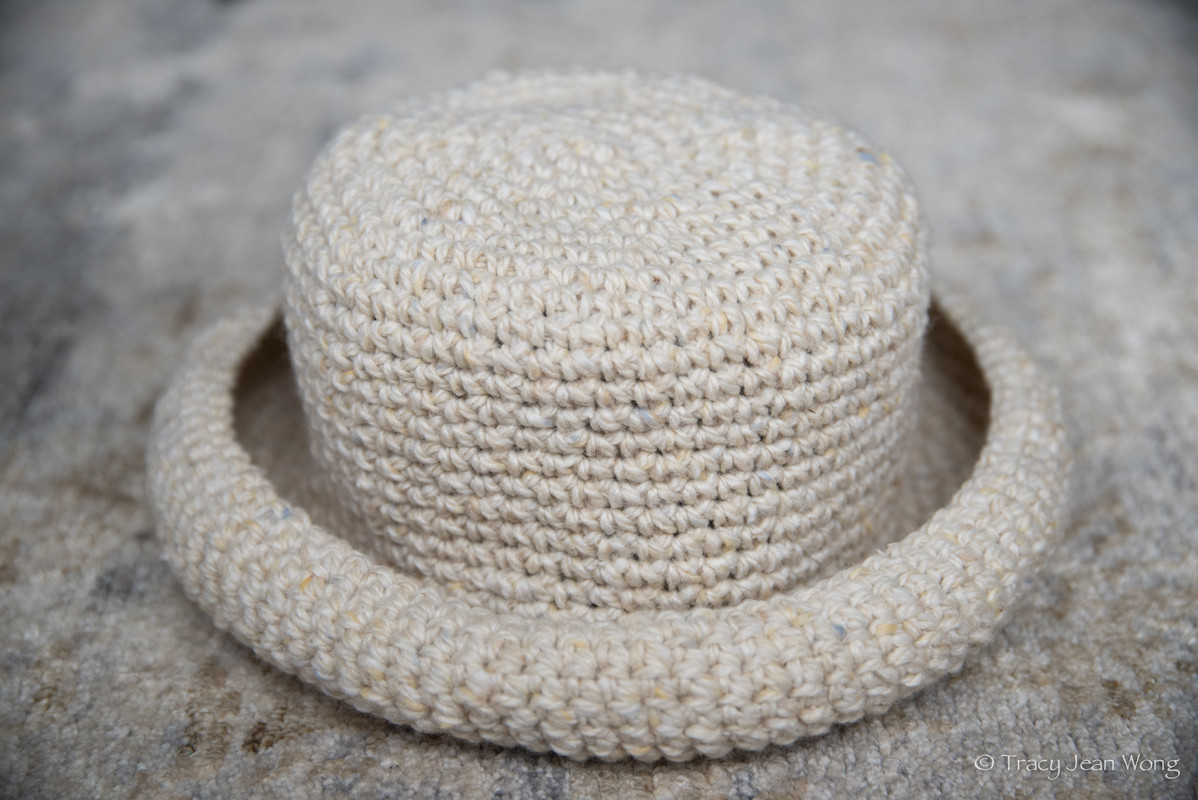
The weekend newspaper featured a crochet bucket, one of “Fab Five” summer hats presented by Rebecca Tay. The powdery pastel rainbow colours remind me of fun childhood chalk and sidewalk hopscotch. I created a similar hat in a warm beige tweedy blend of merino wool, cashmere, and silk. Different but similar.

Rolled Brim Bucket Hat, 80% Wool/10% Silk/10% Cashmere

The Rolled Brim Bucket Hat and Everyday Bucket Hats below are started with a “magic circle” and crocheted in a continuous spiral from the top down. The result is a seamless hat with a neat finish.

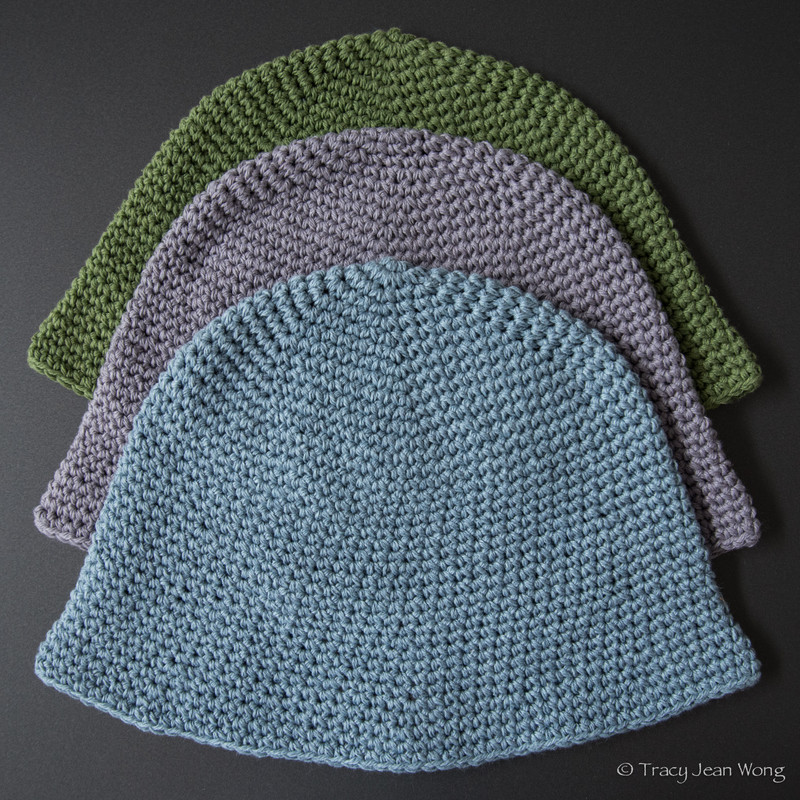
The short brim and bell shape of the Everyday Bucket Hat has a playful aesthetic and looks especially good on women with short hair. The hat is more fitted and resembles a 1920s cloche or flapper hat. Cotton cashmere makes this hat a soft and easy care option.

Everyday Bucket Hats, design by Guanwen Huang, 85% Cotton/15% Cashmere

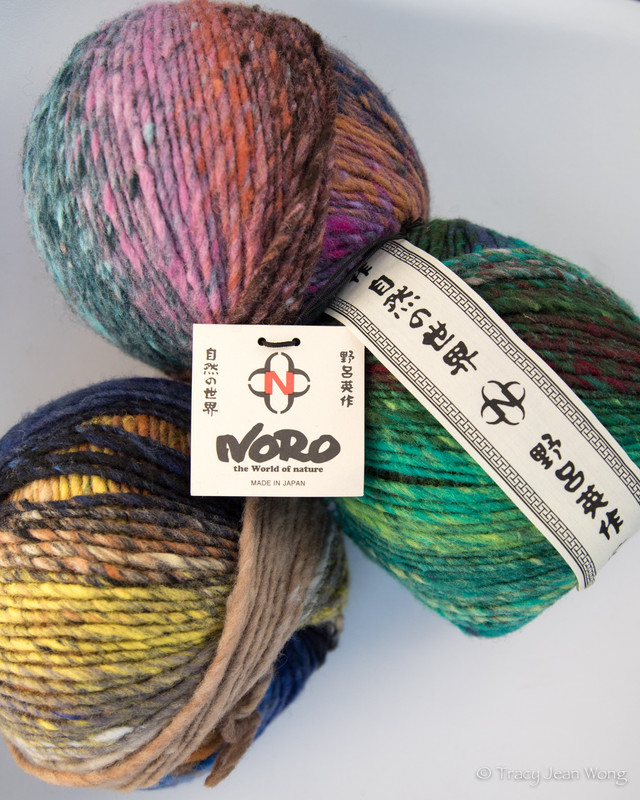
the World of nature according to Noro

“Many, many years ago, Eisaku Noro took a leap of faith. Trusting his experience and knowledge, his instincts and determination, he envisioned creating a yarn like no other. So many exuberant entrepreneurial moments like this end without success, but not this one. We can only imagine how hard Mr. Noro worked to market a yarn so overtly individual and carve a growing niche in a hand-knitting market dominated by single-color balls and skeins.” (noromagazine.com)

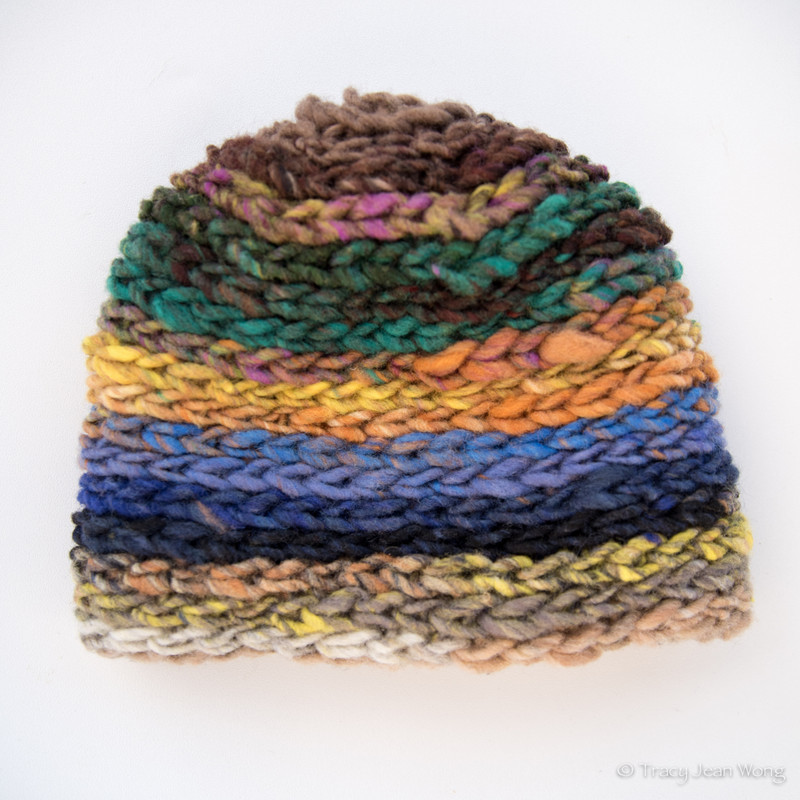
This cool wet spring in Vancouver got me stuck in neutral, thinking a lot about rain gear and wool hats. And yet, I have also felt uplifted by the colours of flower gardens that abound in blues, purples, pinks, and yellows. The vibrant multi-coloured Noro yarns fit my mood right now.

I designed a toque pattern that uses a half double crochet stitch in the “third loop”. It’s a simple, repetitive stitch that results in a ridge of V shapes. It shows off the rainbow of colours within each ball of plush Noro Bachi wool. I love seeing how the colours evolve as the hat progresses and how each finished hat is unique.

Dunbar Salmonberry Craft Fair

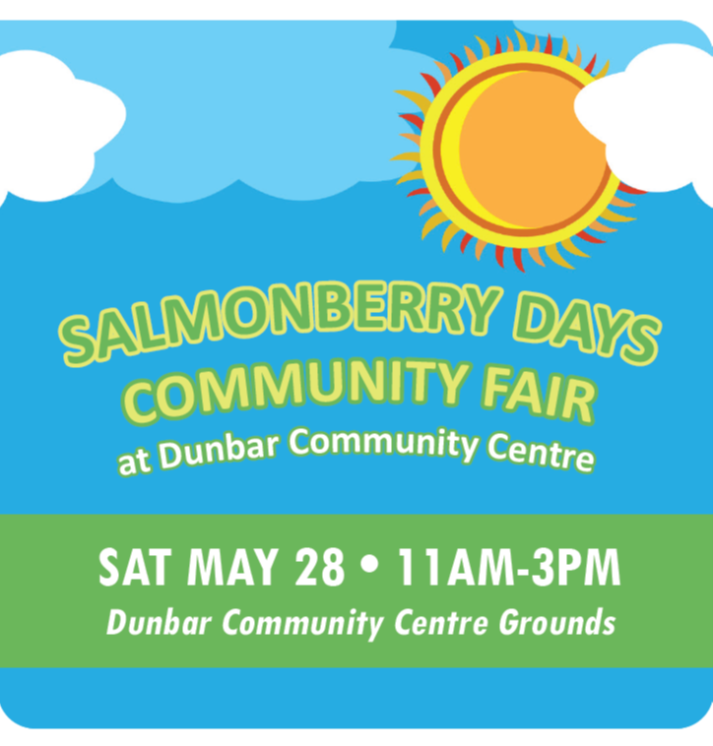
The inaugural Dunbar Salmonberry Craft Fair is taking place on Saturday, May 28, 2022, 11:00 AM-3:00 PM at Dunbar Community Centre, 4747 Dunbar Street, Vancouver, B.C. Please come by my table, “Hats by Tracy J”, and check out my warm weather headwear collection.

Hats and Headbands, sewn and crocheted

Bucket hats and newsboy caps in cottons and linens will be featured. Kerchiefs will make their debut. As usual, there will be a large assortment of crocheted hats and bamboo rayon beanies and headbands.

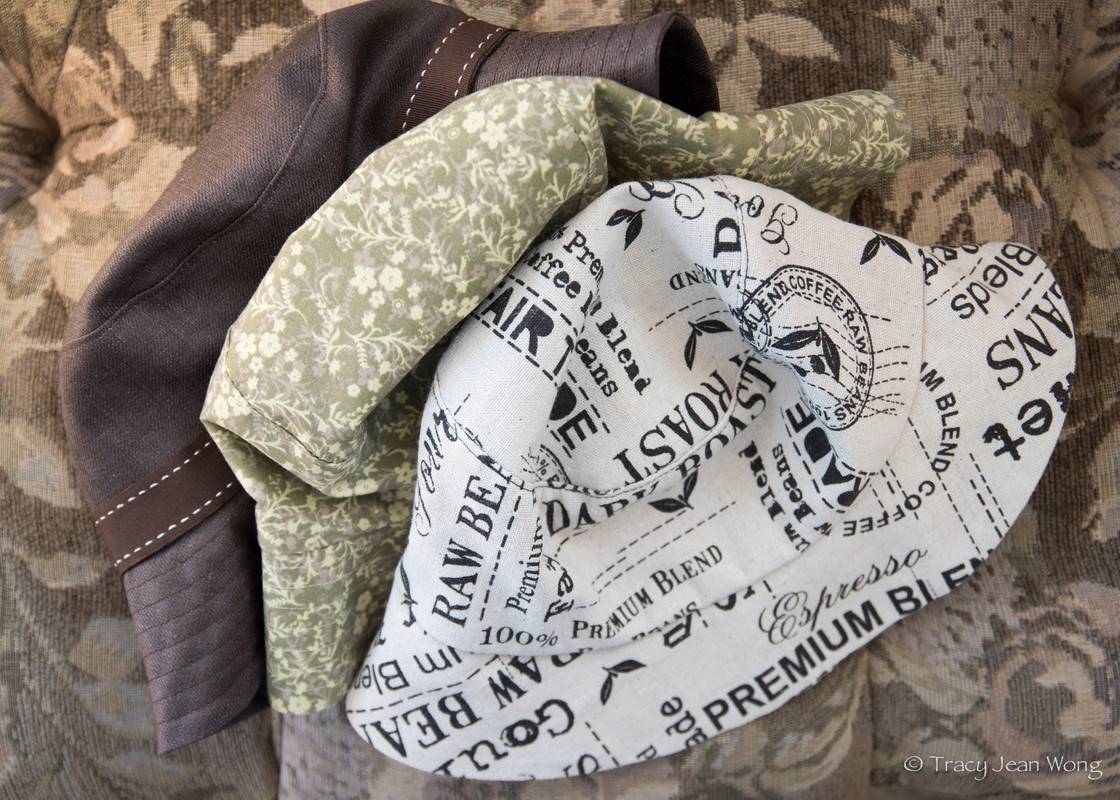
Assorted bucket hats in waxed linen, cotton, and linen (left to right)
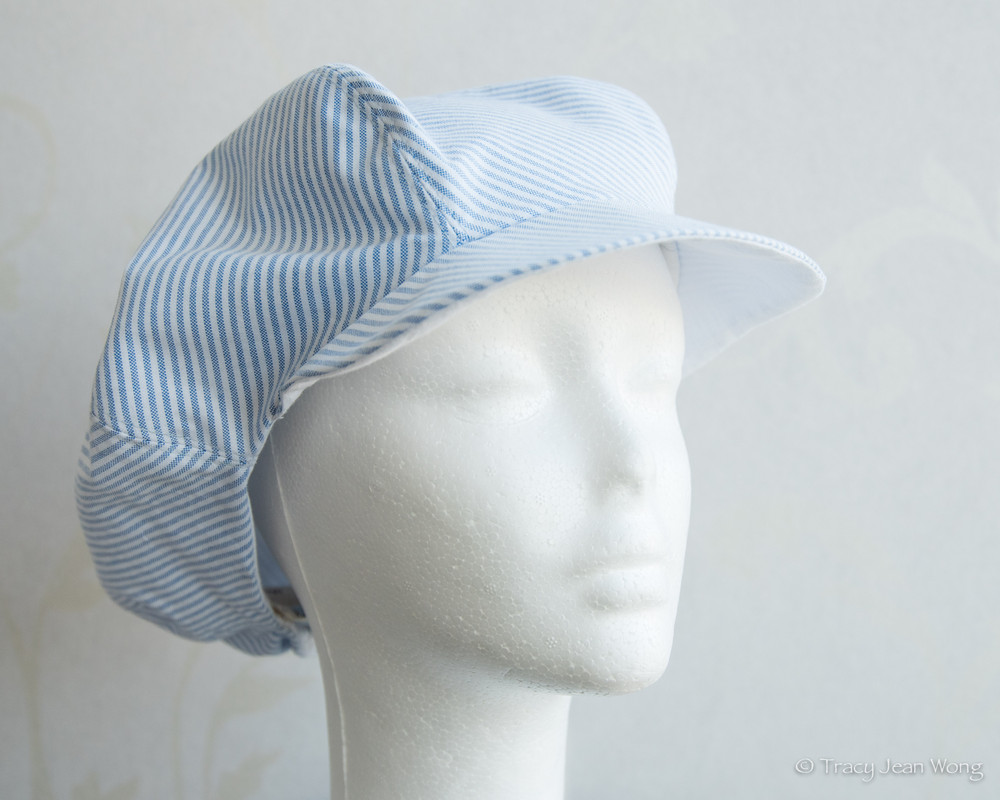
Reversible newsboy cap in blue and white pinstripe/white cotton
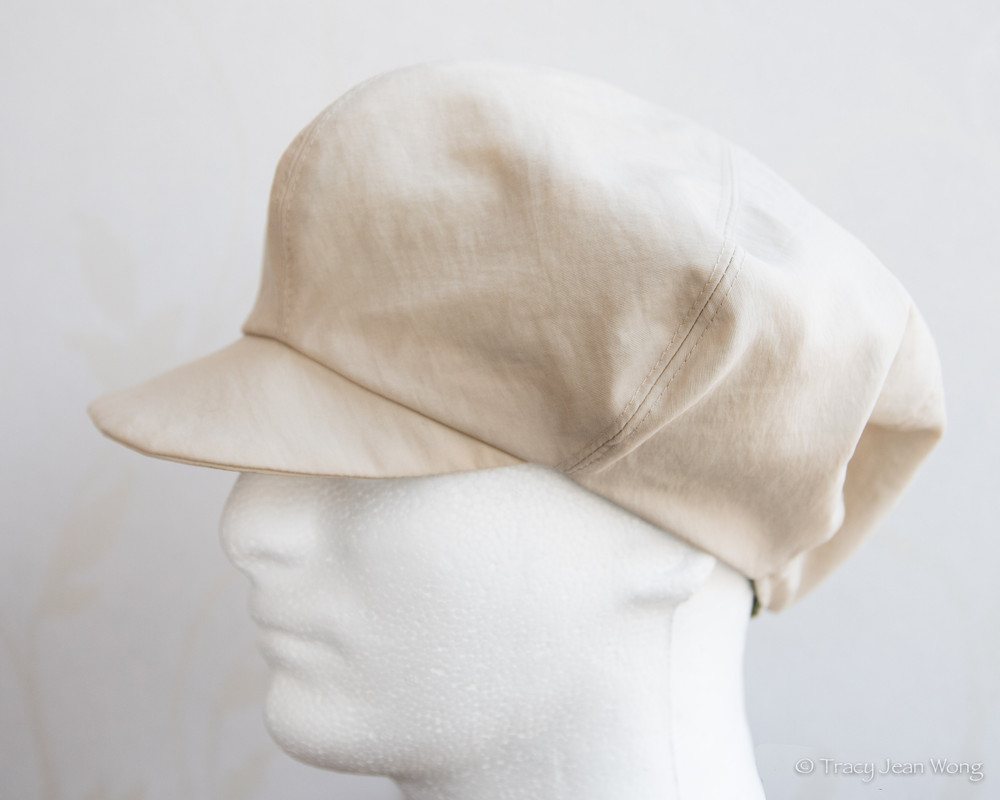
Reversible newsboy cap, this side in a weather-resistant fabric
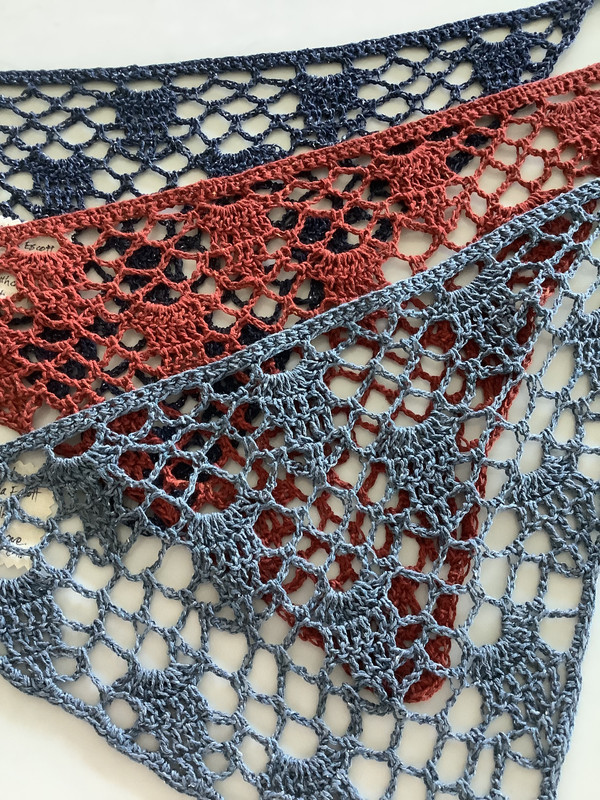
Kerchiefs in a blend of linen, silk, and wool

Babes, Tykes and Teens

While I’ve made many hats for grownups, young ones need to keep their heads warm and faces protected from the sun too. If you’re a parent, you might have experienced a kid itching to tear off a hat. This might be avoided with hats that are comfy, hard wearing and well fitting. Washable natural materials are good choices.

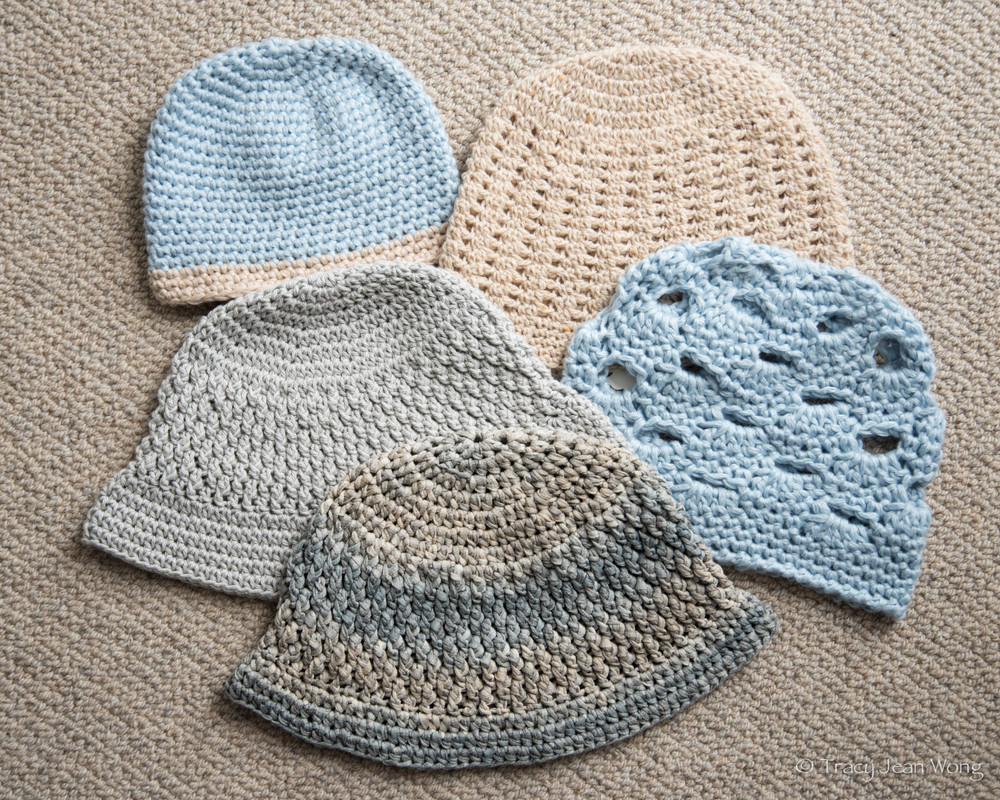
Clockwise, from top left: Baby Beanie (cotton/nylon), Beanie (organic wool/viscose), Summer Slouch Hat (cotton/nylon),
Brickwork Hat (cotton ribbon), Brickwork Hat (pima cotton)

“Everyone thinks my baby is a boy because she is bald!” How fitting to correct that misconception with an adorable headband or a hat. Take note that no longer is blue for boys nor pink for girls.

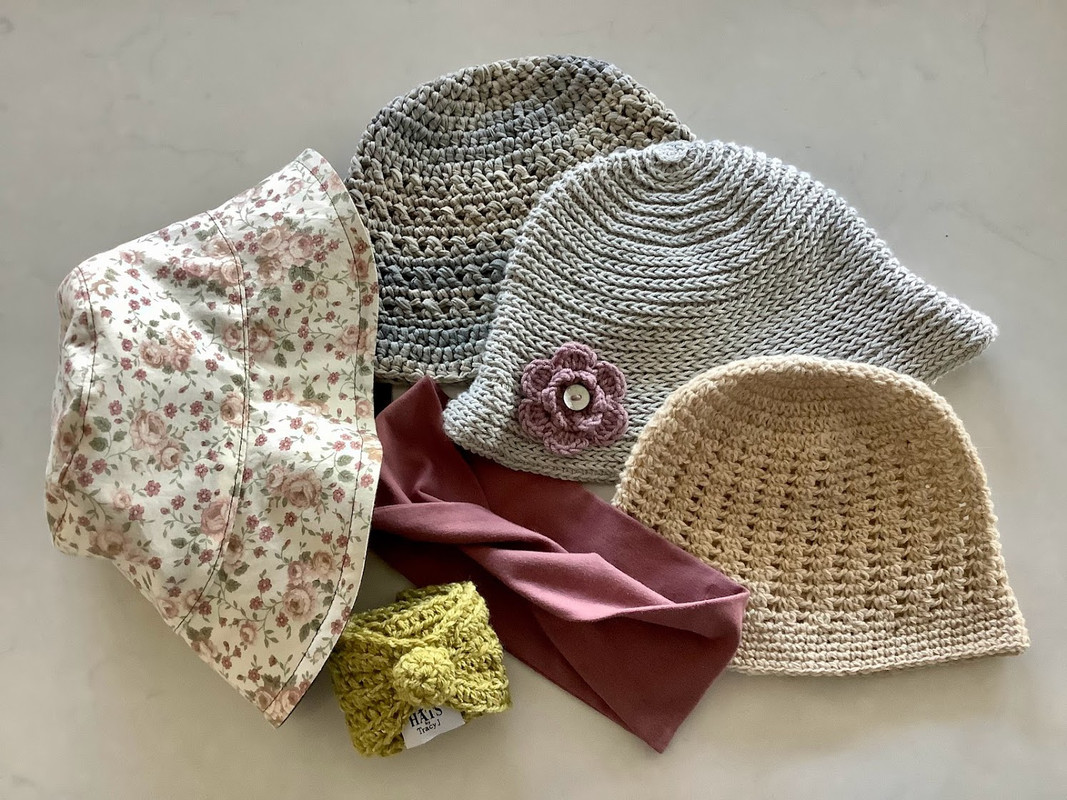
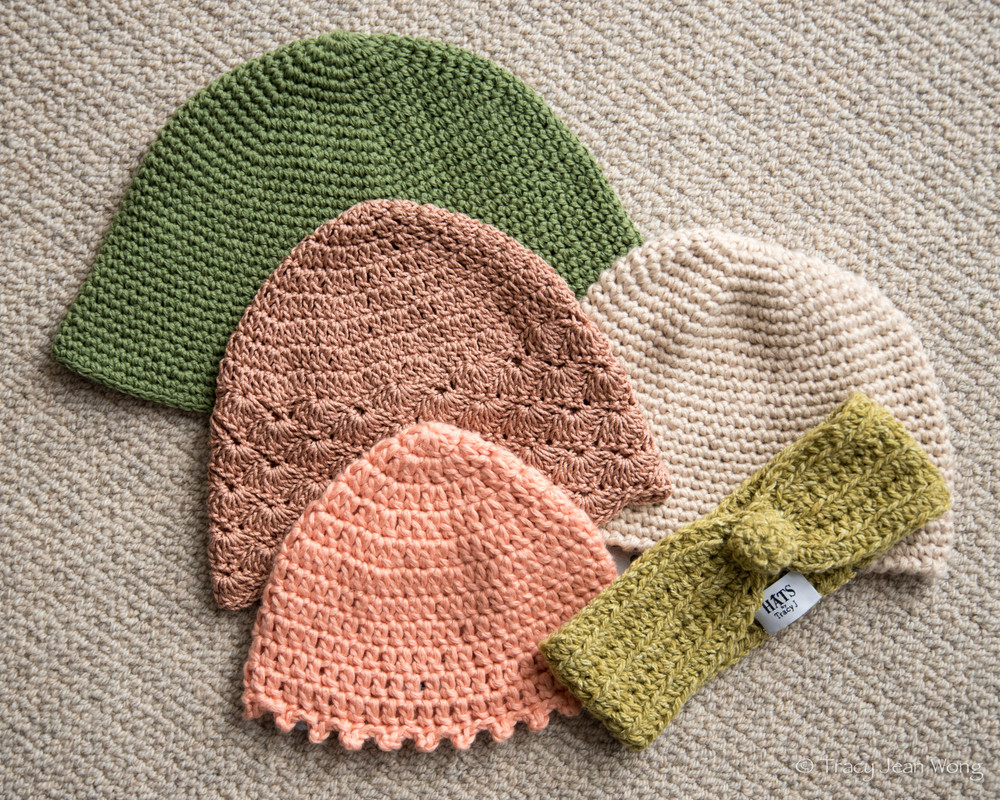
Clockwise, from top left: Everyday Bucket Hat (cotton/cashmere), Beanie (cotton/nylon), Marigold Headband (wool/silk),
Cloche with picot trim (cotton/nylon), Vintage Cloche (silk),

Have you observed that babies have large heads in proportion to their bodies? An interesting tidbit: The average head circumference of a one year old is 43.5 cm. The head of a tween ranges between 51-56 cm, not much smaller than that of a woman at 53-58.5 cm.

Adjustable Hats

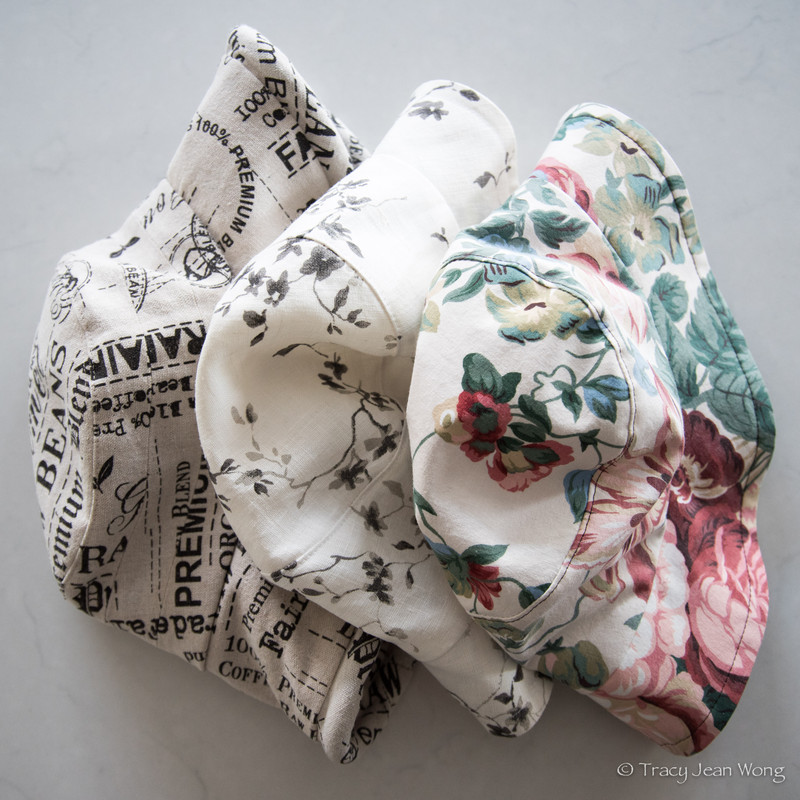
Adjustable bucket hats from left to right: Linen, linen/cotton, cotton

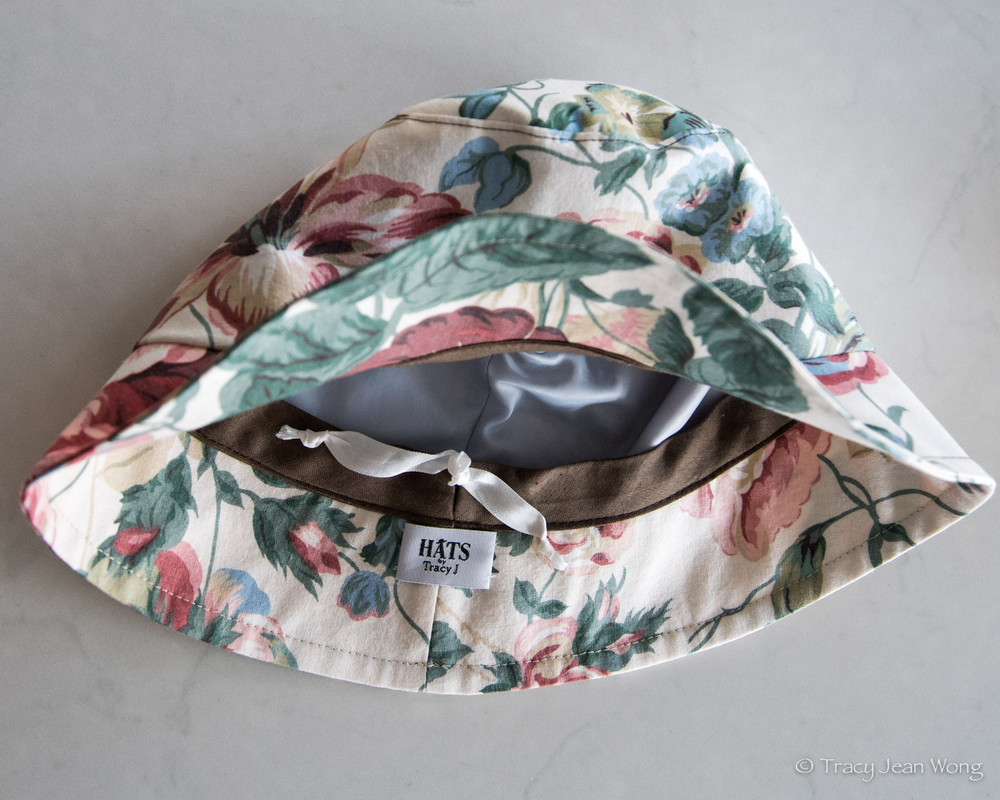
These bucket hats have an adjustable drawstring ribbon around the head circumference. I sewed them with warm weather fabrics of crisp linen, soft cotton, and blends of linen and cotton. It was fun preparing the pattern pieces and cutting the fabric to let certain flowers or words stand out, especially on top and at the front of the hat. I liked choosing inner linings in complementary or contrasting colours. The finished hats have different brim widths and trims and are decorated with seaming and topstitching.

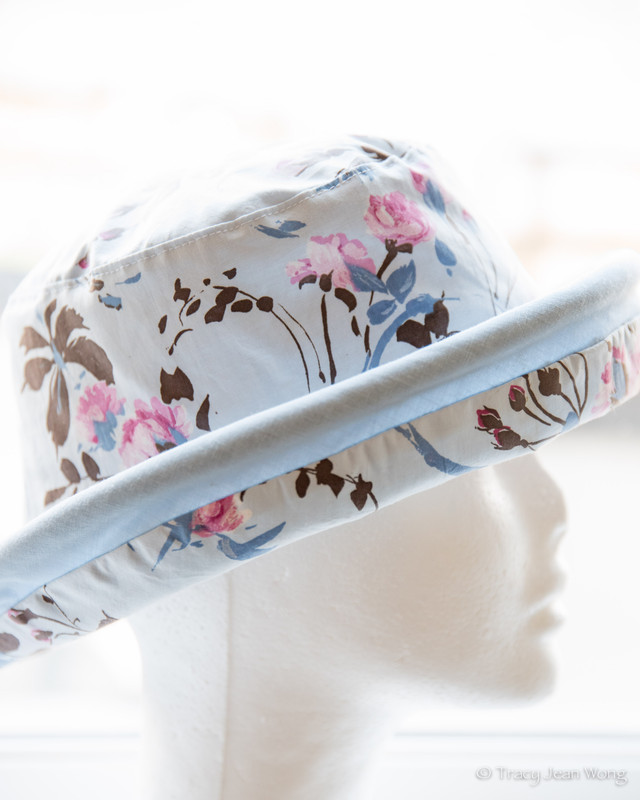
Who would guess that a supply from the hardware store could be hidden inside the trim of a hat brim? Backer rods are round, lightweight flexible lengths of foam. They are often used as a backstop with caulking to fill small gaps needed to prevent drafts in wall joints and foundations. I used 3/8-inch backer rod for my hats.

Adjustable bucket hat in floral cotton chintz with bias brim trim in sky blue and backer rod

Headscarves

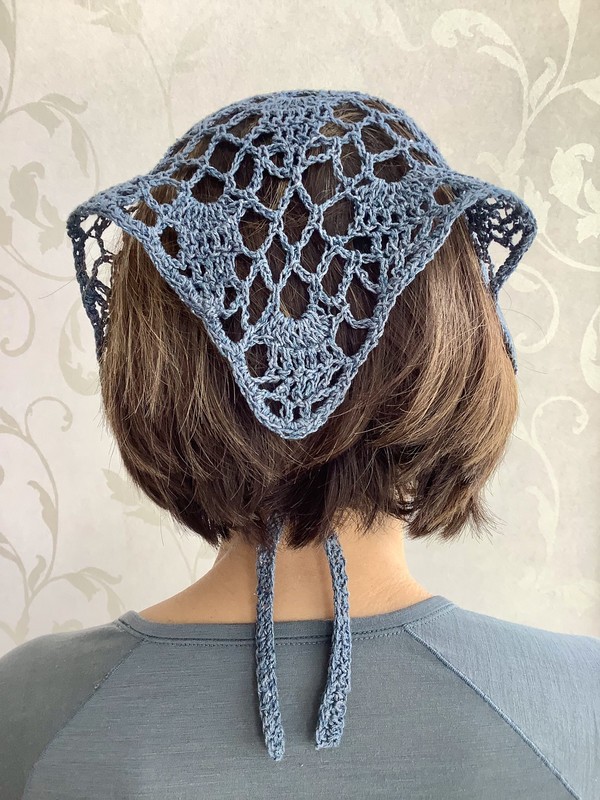
Around the world, women wear head coverings for practical, religious, cultural, and decorative reasons. A fine yarn made of linen, recycled silk, and wool inspired me to crochet a headscarf. The headscarf is usually made from a triangular piece of cloth or a square folded in half to become a triangle. It can cover most or all of the head and hair. It can be tied under the chin, knotted at the nape of the neck, or wrapped around the head and neck. Other common names for the headscarf are kerchief and bandana.

As my first crocheted headscarf was underway, I heard a news piece on the CBC about the granny hanky or Kokum scarf of indigenous women and the babushka or scarf of Ukrainian matriarchs. I learned about the historical connection between Indigenous people and Ukrainian settlers in western Canada. Indigenous people continue to honour the Ukraine through the headscarves, symbols of support and solidarity.

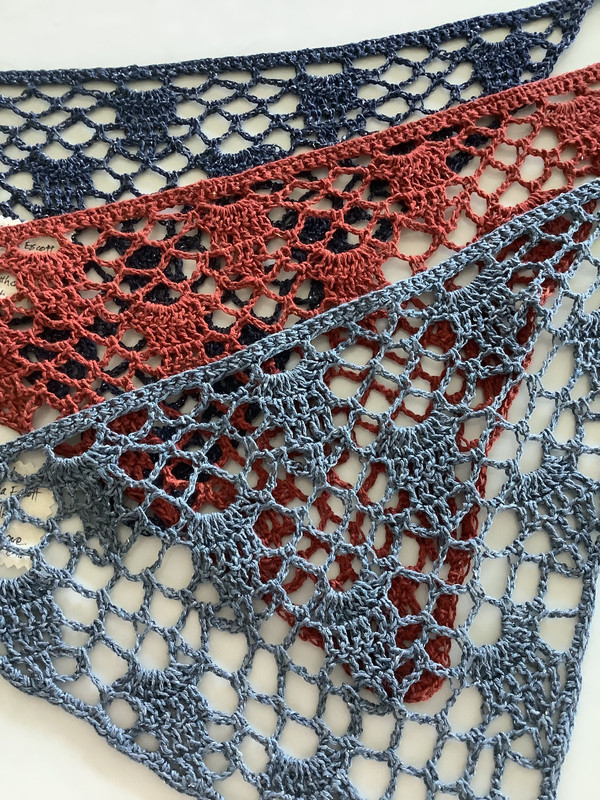
Lacy Headscarves, design by Emma Escott

Hats for Spring

Spring is the time we shift our wardrobes from knitwear to lighter woven fabrics. Neutral shades make the transition between seasons, but pastel colours, floral prints and cheerful patterns invigorate clothing and accessories.

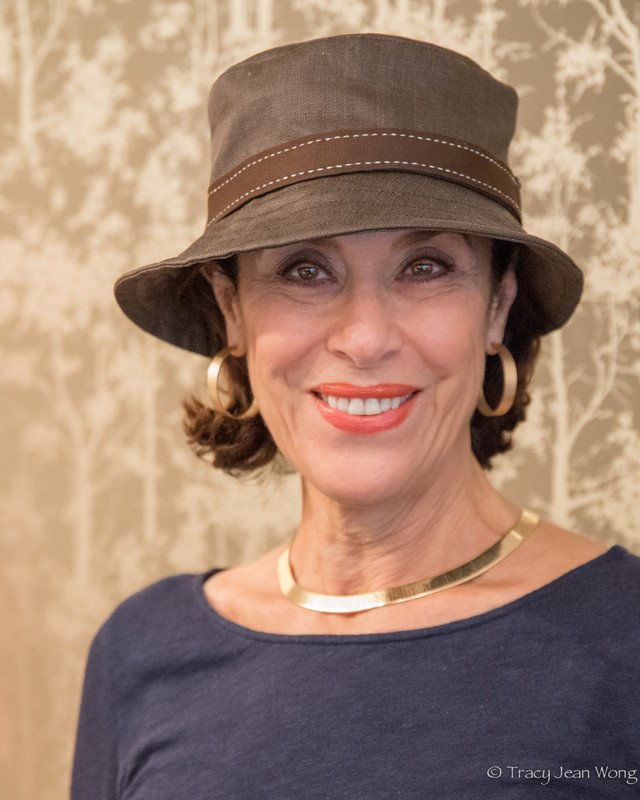
I’m having fun mixing and matching fabrics as I sew reversible bucket hats. Some fabric is from my treasure trove of collected cuts, while other pieces have been recycled or purchased as deadstock fabric. Right now, the common thread of my bucket hats centres on 100% natural textiles—linen and cottons in denim, gingham, and chintz.

My model Coco has many talents, from showcasing different ways of wearing a reversible bucket hat to taking selfies with her iPhone camera.

Textile Recycling

Sewing with deadstock fabric is a sustainable way to make use of leftovers from fabric mills or apparel manufacturers. Deadstock might include fabric with flaws, caused by damage in the production or dying process. Considered to be waste, these unwanted or unused textiles would normally be sent to the landfill.

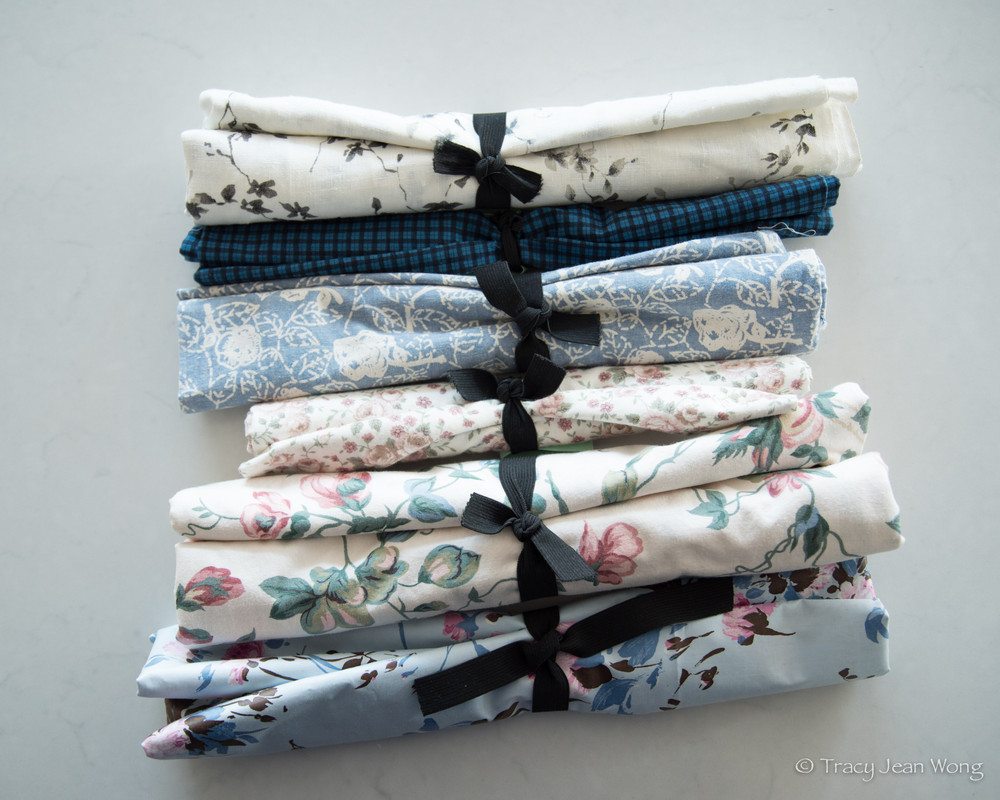
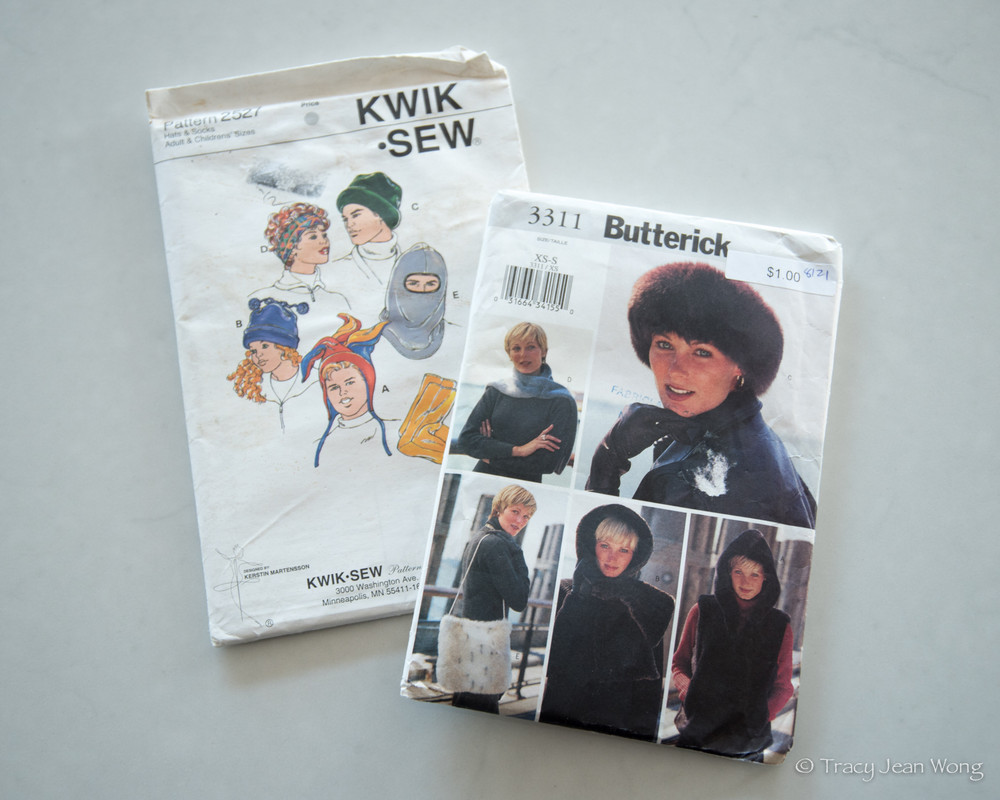
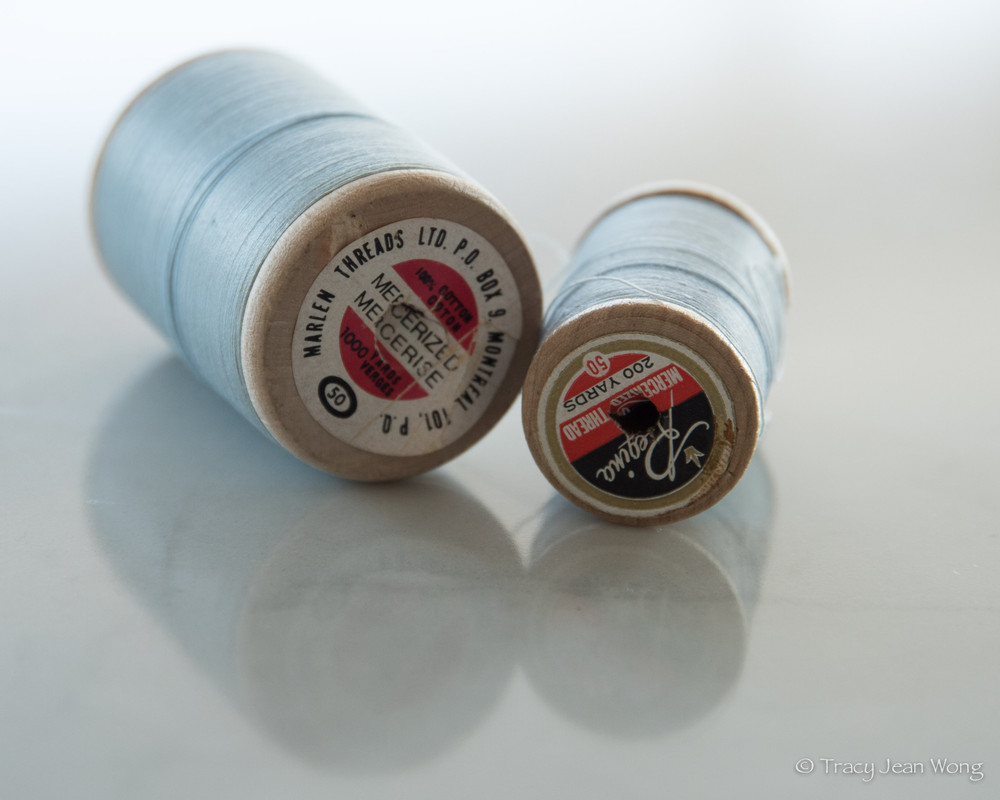
“Our Social Fabric” is a non-profit fabric store in Vancouver, B.C. selling donated deadstock fabric. There, I purchased an array of 100% cotton pieces to make warm weather hats. I also picked up some vintage hat patterns, thread, and woven fabrics. A nostalgic journey back to my youthful sewing self!

Hats in Mexico

Zihuatanejo has some of the most beautiful beaches in Mexico and, indeed, the world. Its sheltered bay along the Tropic of Cancer offers boaters, swimmers, and sunbathers five main stretches of beach to enjoy heat and sun.

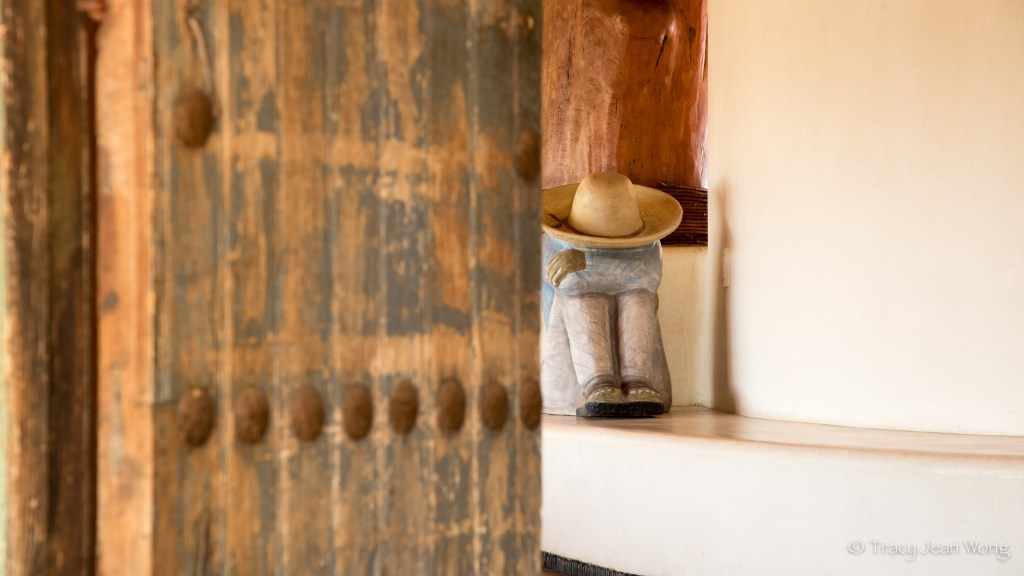
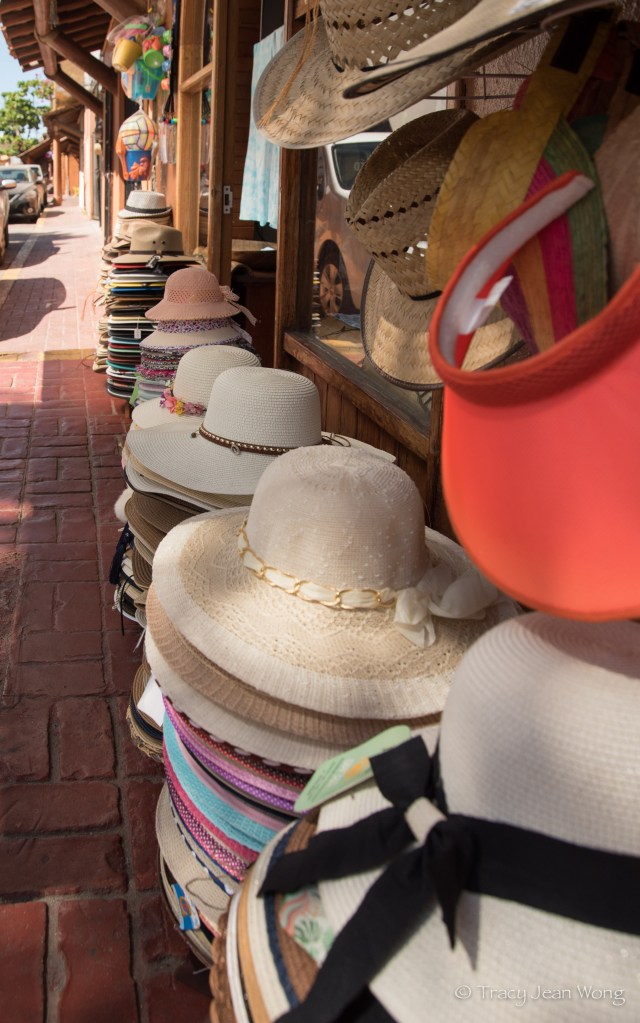
The sombrero with its broad brim and chin strap was originally designed for long days working in the Mexican climate. It gives sun protection not only to the face, but also to the neck and shoulders. In fact, the name sombrero is derived from the word “sombra” which means shade in Spanish. Mexican farmers and peasants wore hats made from straw, while the upper class had felt and velvet hats adorned with embroidery, beads, and sequins. Mariachi musicians and the Mexican Hat Dance have made the sombrero an iconic piece of Mexican culture. Ranchers adapted the sombrero to the leather cowboy hat with its upturned sides.