Athletic Headbands

Steve McMinn, StrongFirst Kettlebell Instructor, Functional Movement Specialist, Mindfulness Coach & Wing Tsun Sifu

An athletic headband keeps the sweat from rolling from your forehead onto your face and into your eyes while you are exercising. Steve, physical fitness trainer at DoStrength Gym, is wearing one that I made of white and black cotton spandex. Often used as rib banding on track suits, this medium-weight fabric has crosswise and lengthwise stretch. It is comfortable, durable and easy to clean.

Sweat keeps you cool through evaporation. Another good sweatband material for your workouts is bamboo rayon. Lightweight and soft, it is moisture-wicking and breathable. How about this other option – bamboo rayon on one side with cotton Terry cloth on the other? Terry cloth with its small loops of fibre is very absorbent and dries quickly. Bath towels and bathrobes are commonly made of this.

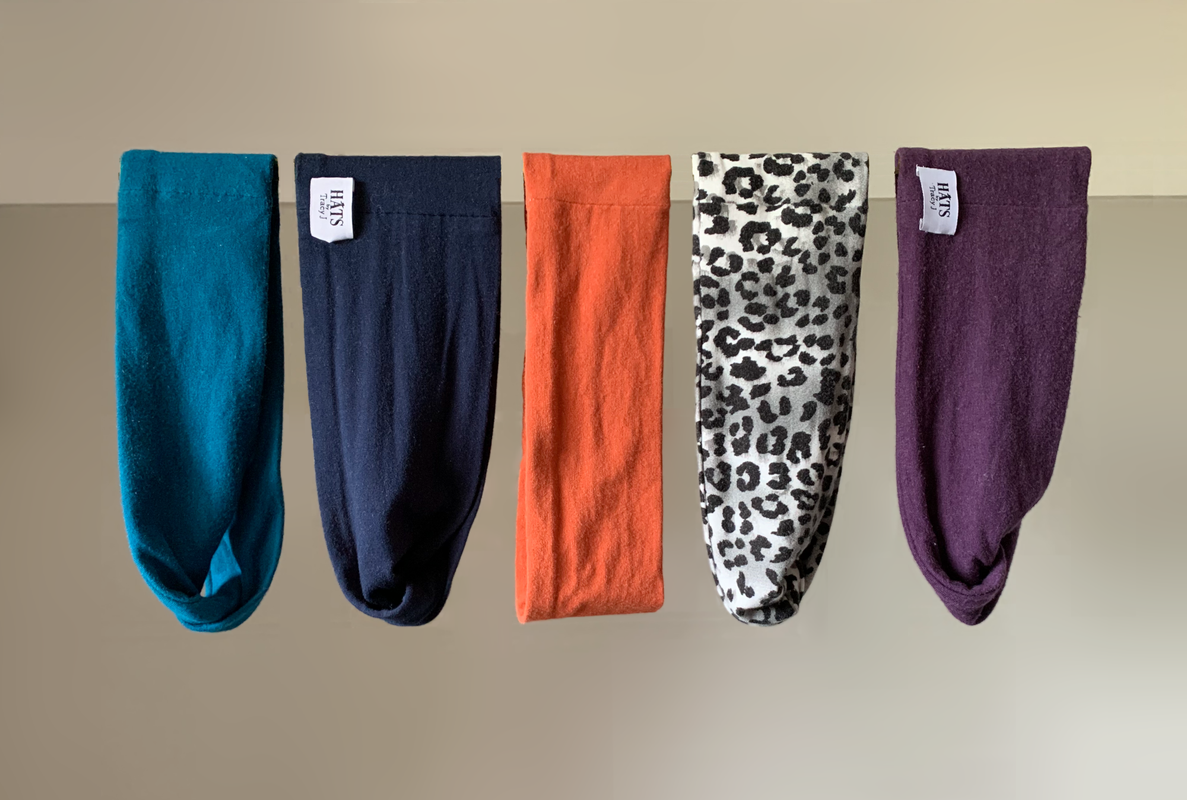
One woman’s collection of bamboo headbands – work out, wash, hang dry

As well as functioning as exercise gear, headbands are a fashion accessory. In place of headbands from the 2010s with bows and flowers, today’s fashion headbands borrow from the simple form of the athletic headband. The monochrome headband is a good first selection.

And finally, have a listen as Ryan Gosling lists his lightning headband (first minute of the YouTube video) as one of the top 10 Ken Essentials to tap into your Kenergy.

Stocking Cap

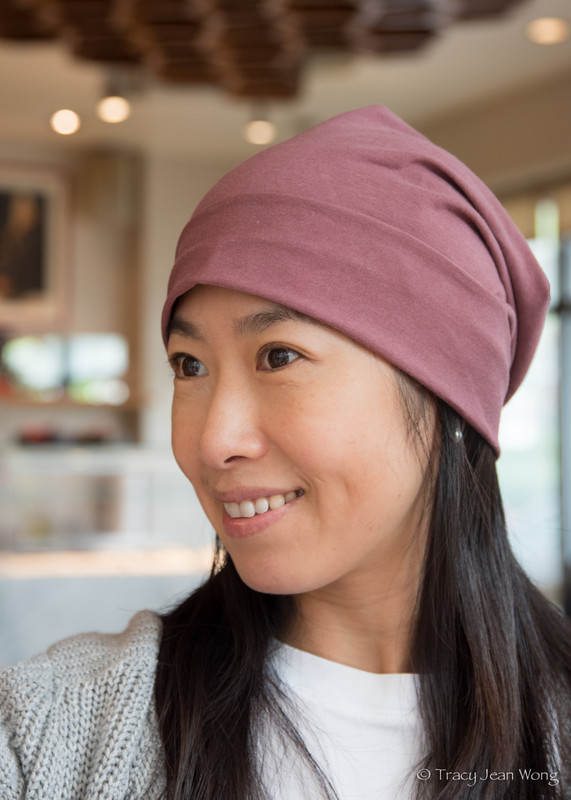
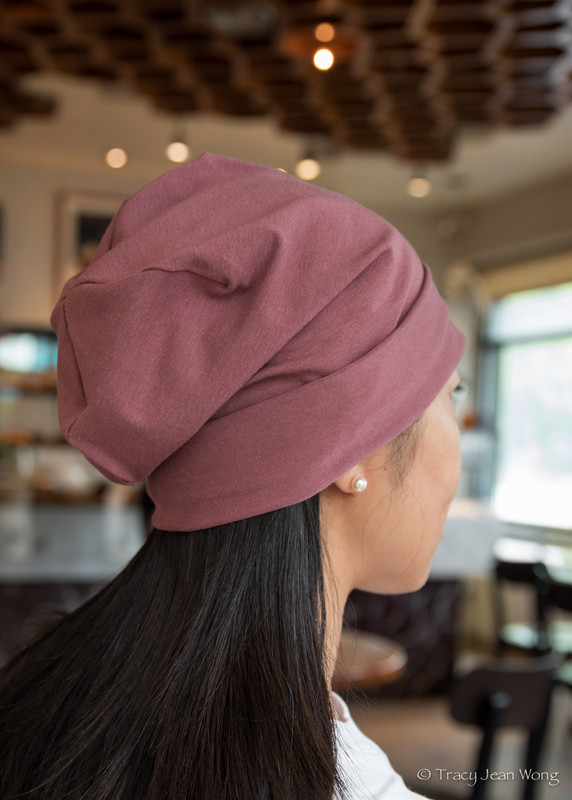
My latest sewn hat is a stocking cap with a roll-up cuff. Some define a stocking cap as a head-hugging knit cap with a long tail. Others equate the stocking cap with a beanie, the only difference being that a stocking cap might sport a tassel or pom pom. A nylon stocking cap or wig cap is worn underneath a wig to keep both the wig and your hair in place.

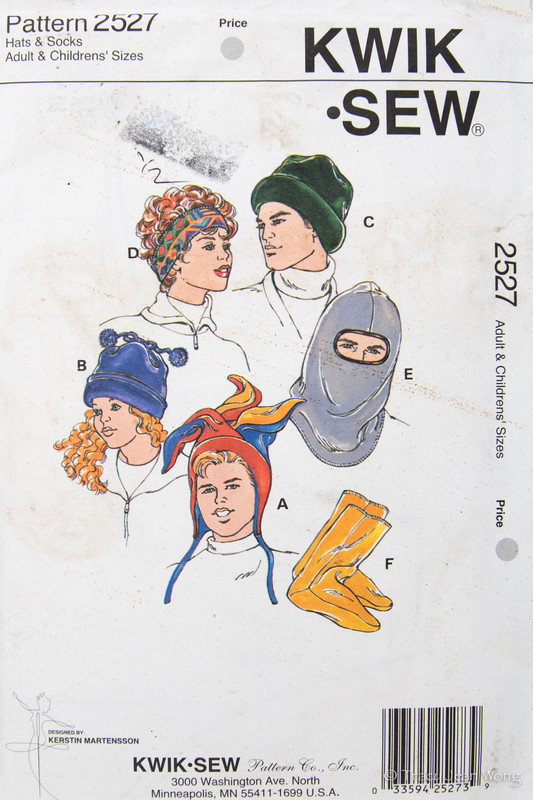
To sew this bamboo rayon stocking cap, I used Kwik Sew Pattern 2527, a vintage pattern designed by Kerstin Martensson. After studying fashion, clothing construction and pattern making in Sweden and England, Martensson worked with the Swedish sewing machine company, Viking. She rose to the position of international representative, an unusual achievement for a woman in the 1960s.

When Viking produced a revolutionary new sewing machine with stretch-stitch capability, it initially did not sell well in America. Home sewers just did not know what to do with the new stitches. So, Martensson developed a few simple stretch-friendly sweater patterns. The response of home sewers to the sewing machines and the patterns was positive and huge. In 1967, Martensson founded her own Sew Knit & Stretch Company in Minneapolis and later renamed it to Kwik-Sew Pattern Company.

While Kerstin Martensson was designing patterns for knit and stretch fabrics, the home sewer would have had to search out such fabrics. Today’s market includes a wide range of knit fabrics made from cotton, linen, rayon, bamboo, wool, nylon and polyester combined with Lycra, Spandex, or Elastane. These fabrics have wide applicability from activewear, where the ability to stretch is important, to figure-flattering fashion garments.

Crochet Hats in Progress

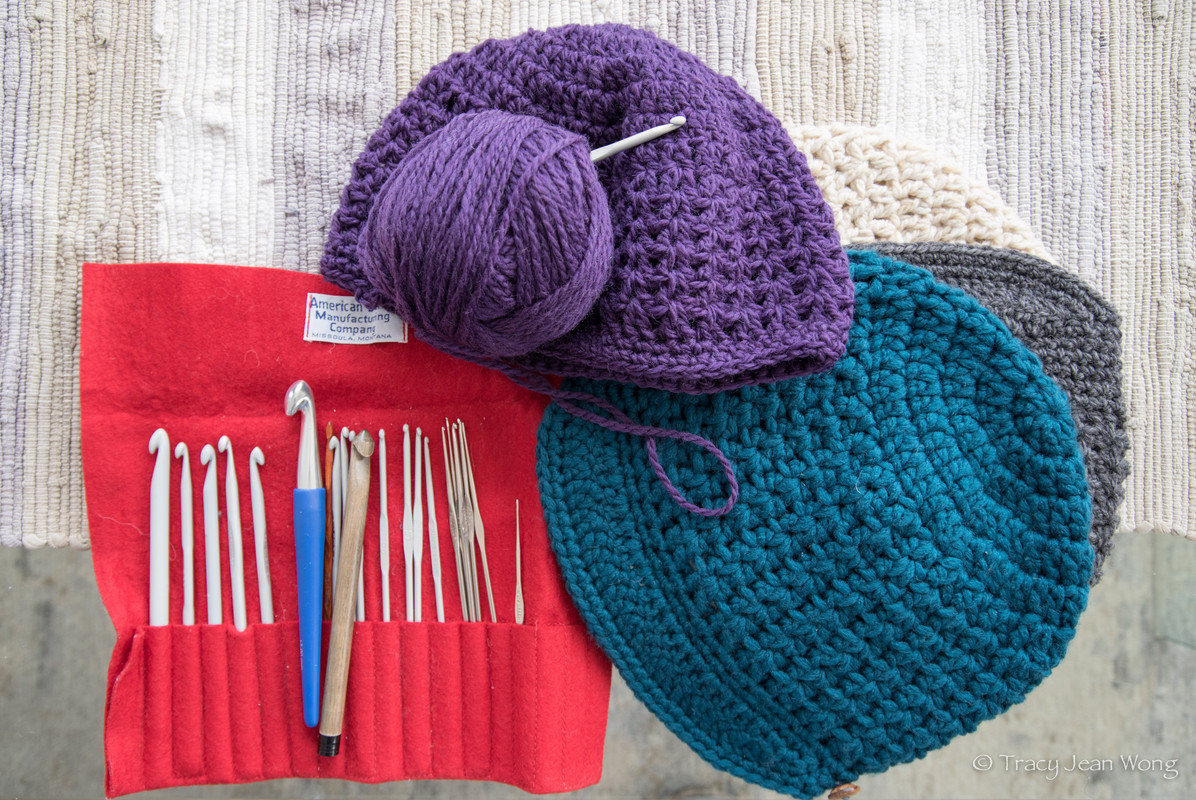
Crochet hooks and Vee Beanies, Design inspired by Simply Made by Erin

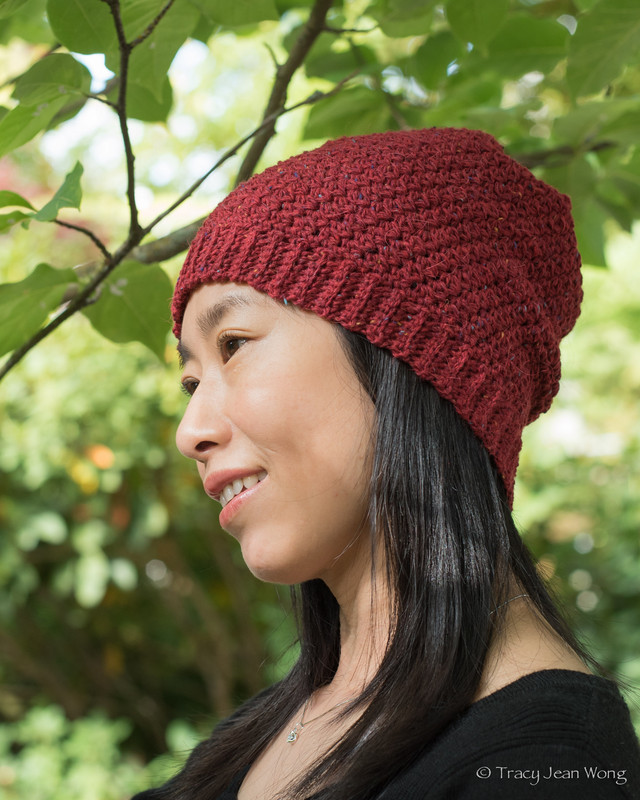
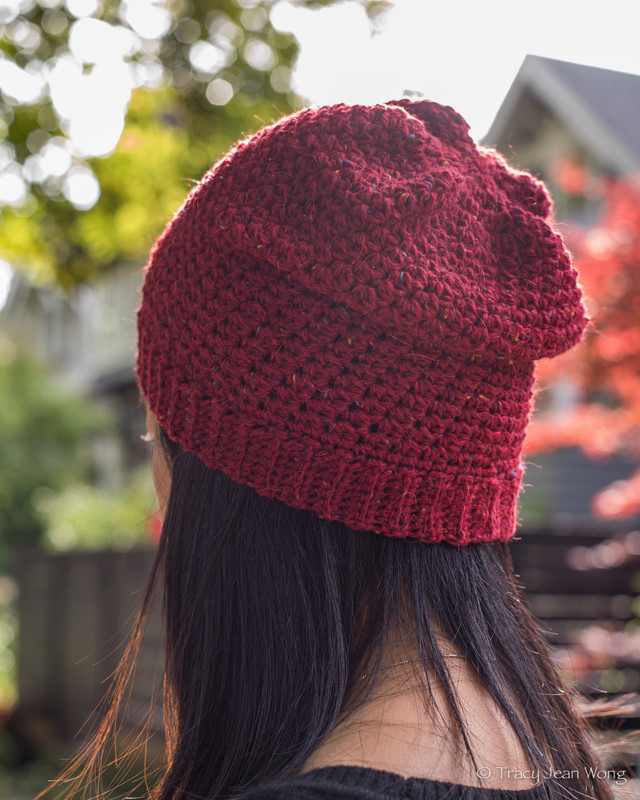
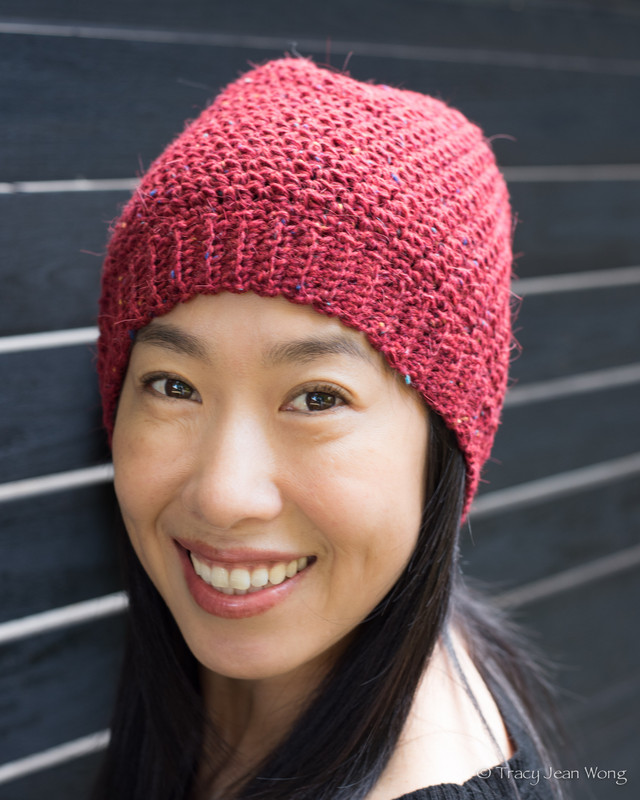
Embarking on a new crochet hat project is fun. Duplicating or tweaking the same hat pattern continues the adventure. Colour is an obvious way to change the look, as is the choice of yarn. Different yarns give hats different drape and structure. In the hats pictured above, Bluefaced Leicester wool and a wool/silk/cashmere blend were used to crochet beanies with a tailored look where the stitches are well defined but softness is maintained. Fibre thickness might dictate a change in crochet hook size. Having an assortment of hook sizes enables me to crochet test swatches and adjust the pattern accordingly.

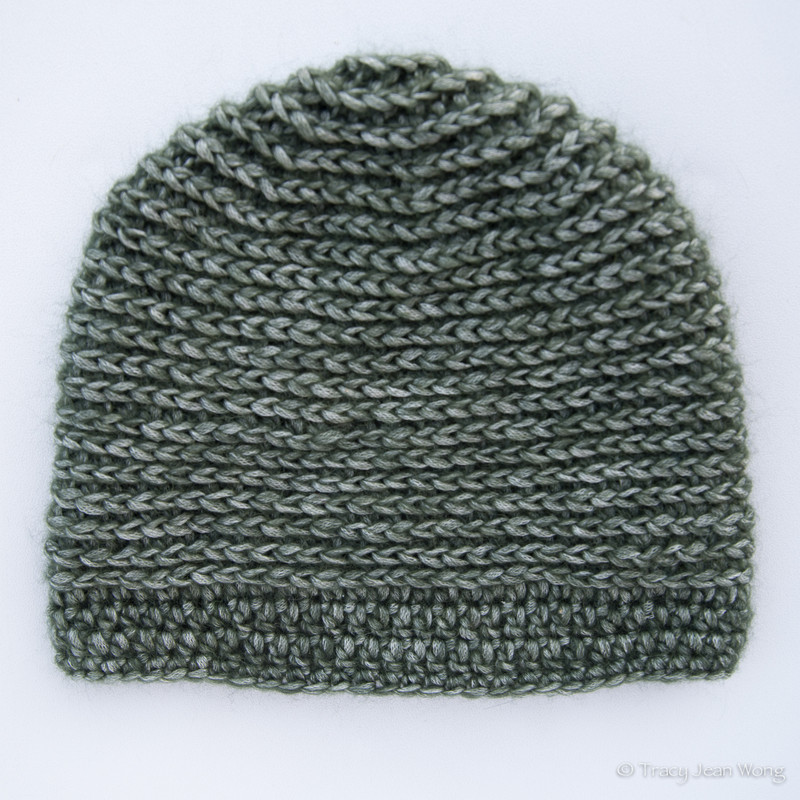
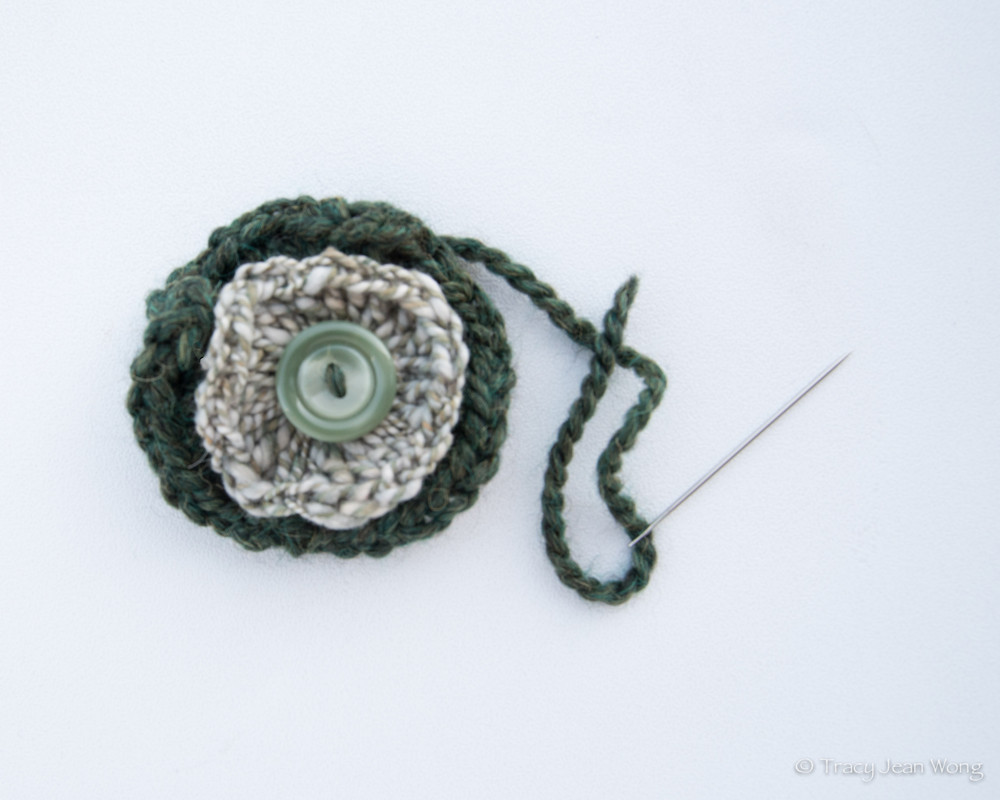
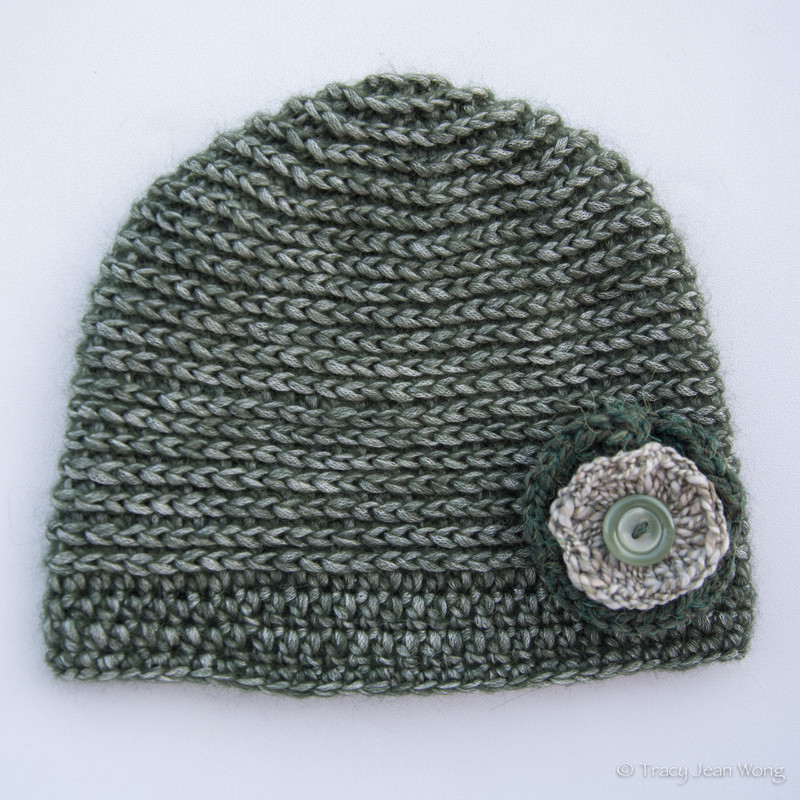
Technology touches aspects of modern living, including yarn development. A Peruvian yarn of “de-haired” alpaca and merino (shown below) is spun in a tube of silk webbing and does not pill. For this incredibly lightweight fibre, I used a hat pattern crocheted in the “third loop” of half double crochet stitches. It has ever so slight a brim, so I added a flower embellishment in two tones with a button.

Frosty Morning, Design by Susie Gourlay, Knit Natural
Simple layered flower, Design by Rebecca Langford, Yarn + Chai

The Custom Hat

Bold or subdued? Colourful or neutral? Durable or delicate? When you decide that you would like to have a custom hat tailored and your head size is measured, there are countless fabric choices. After consulting with my customers, I have developed some general guidelines to help select. They fall into three categories that I call the “3Ps”: personality, palette, and purpose. I’ll give some examples to illustrate.

Personality: If you have a flamboyant or outgoing personality, then perhaps you embrace a bold hat that calls attention to you. You dare to wear clothing that is avant-garde and you’re definitely not afraid to be imaginative or unconventional in your dress. This might be reflected in pattern and colour.

Palette: Colour choices can reflect your personal preferences. If you are averse to colour, then it’s likely you would veer toward a neutral or more muted shade. With a reversible bucket hat, the two fabric choices can be complementary or contrasting. Many like a solid on one side and a patterned (such as floral, striped, or plaid) on the other. The season might dictate the hues, for example darker for winter, lighter for the warmer months, autumnal for fall.

Purpose: Your might need your hat to match an outfit for a special event, in which case you might be more daring and make a one-of-a-kind choice. On the other hand, you might want an all-occasion hat that can go with just about anything and that you can wear just about anywhere. It might a smart casual look that you’re after – for grocery shopping or watching your kids play soccer on the weekend. Travel plans can influence the choice of hat. A sun destination might require something in a light colour, a lightweight fabric, and a longer brim for sun protection.

Crochet Cuties

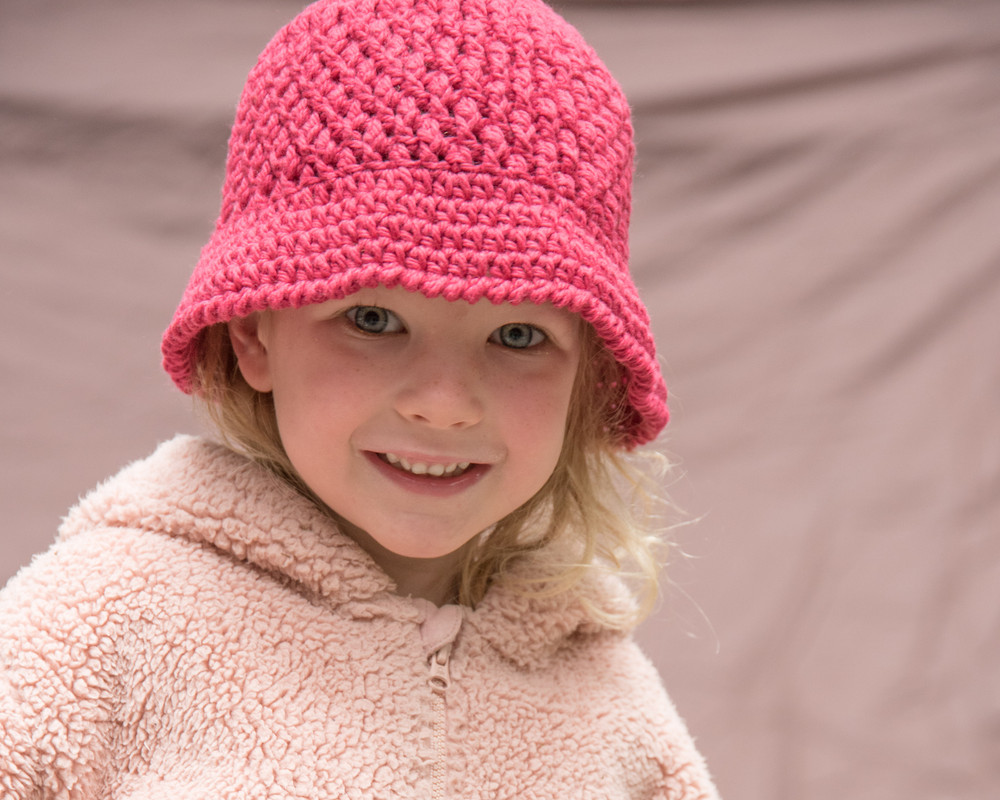
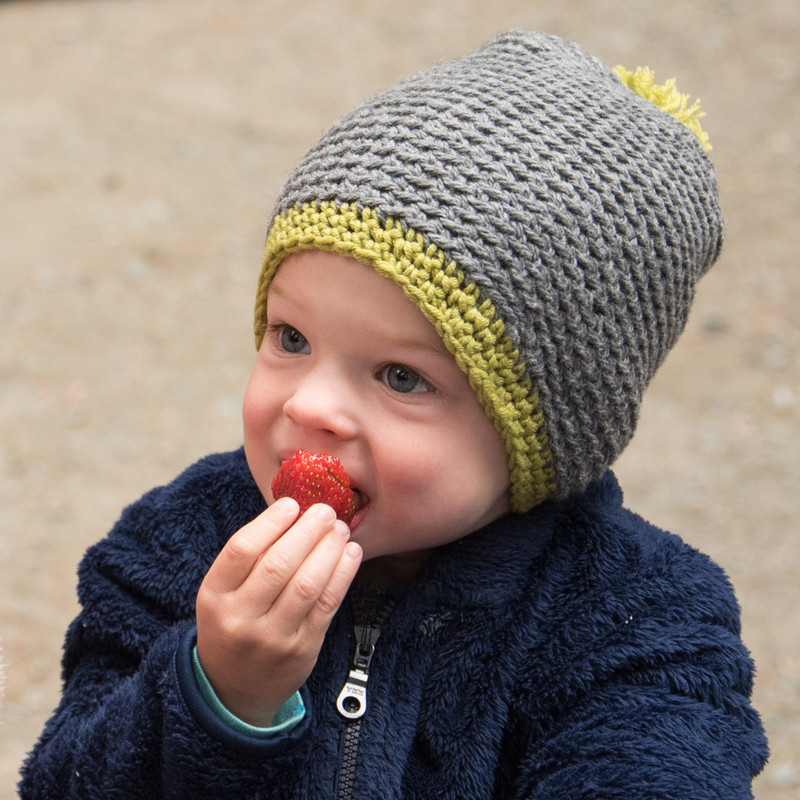
A sister/brother duo was spotted at a provincial park campground this spring sporting crocheted hats. Like a lot of children, they have been wearing hats and caps since they were babies. This early habit has made consistent hat wearing easy and each child has a selection of many hats. The parents realized the importance of protecting their young ones’ delicate skin against harmful UV rays and regulating body temperature. Hats keep them warmer in the winter and cooler in the summer.

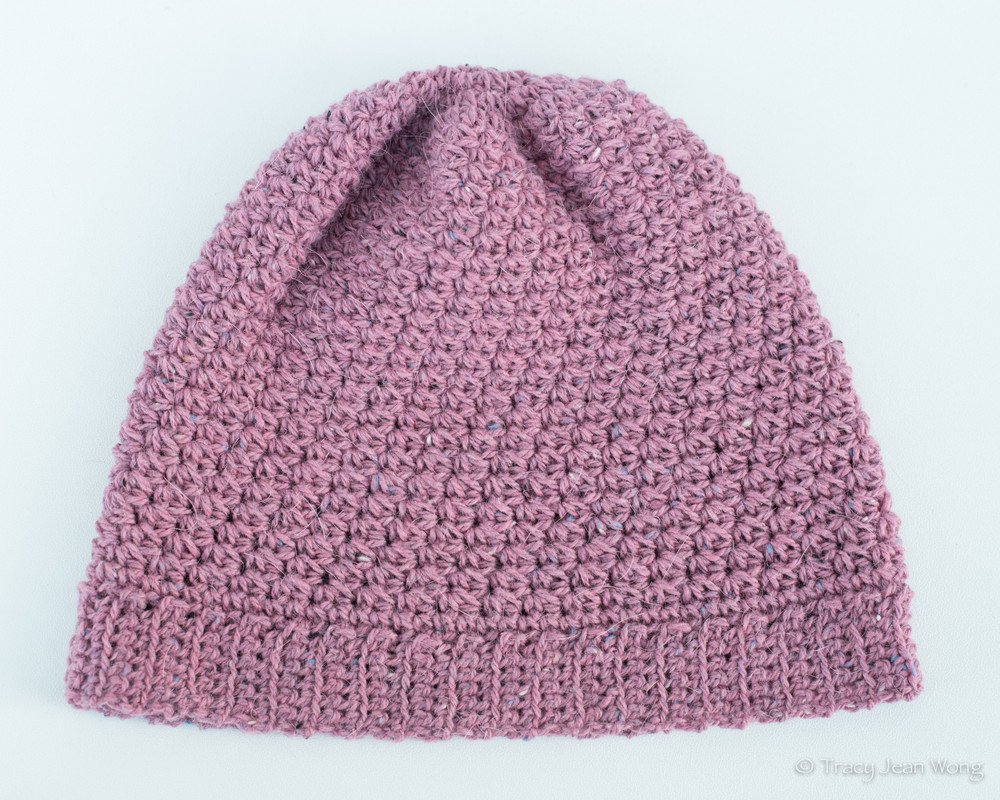
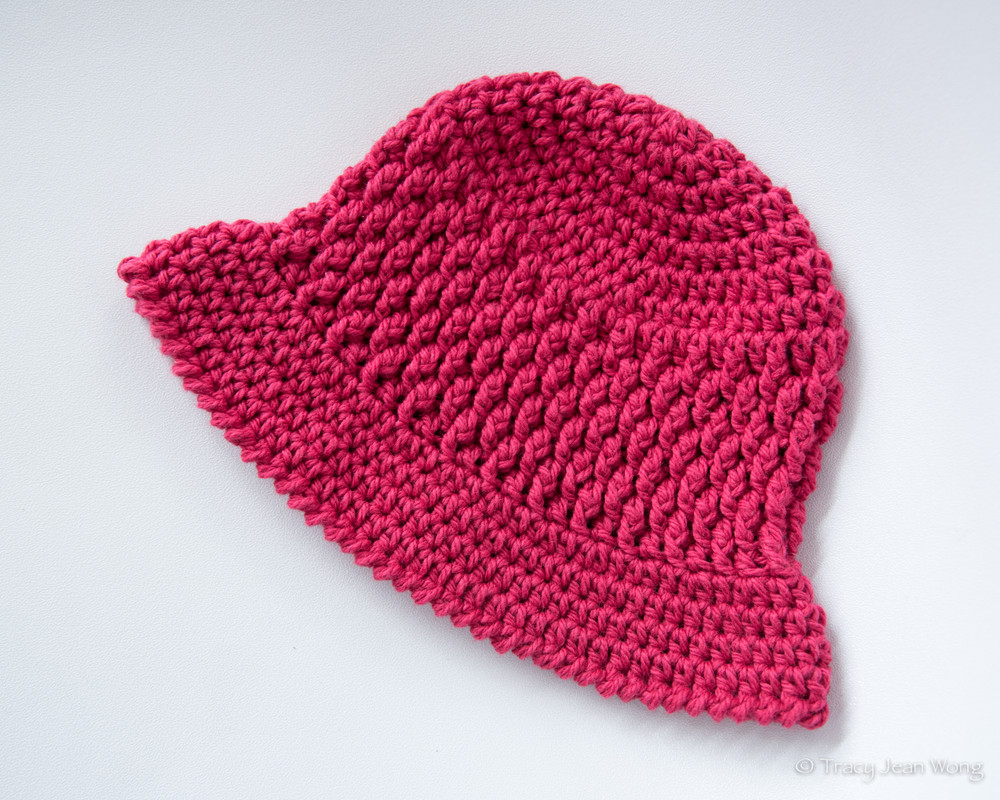
I chose to use a bright pink wool to crochet the girl’s brimmed Brickwork Hat. Pink is her favourite colour and she has many matching dresses, T-shirts, and hoodies in the same colour. A well-chosen chapeau can complete the look of an outfit at any age.

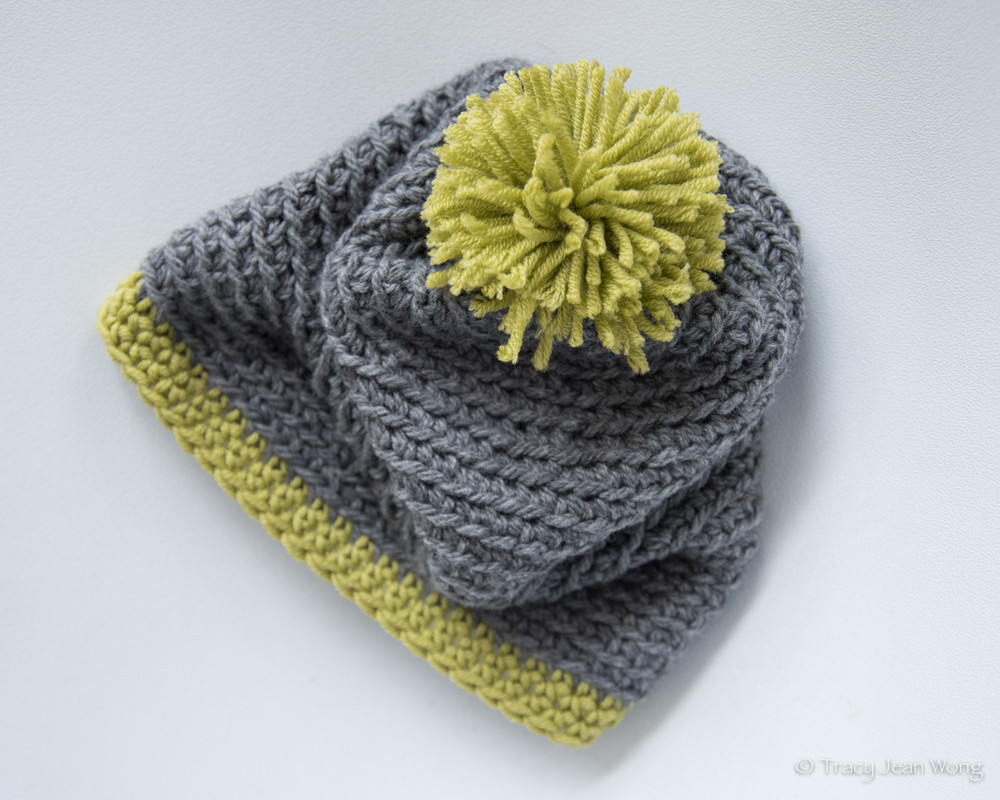
The little boy was attracted to his slouchy beanie, mainly because of the pom pom. Importantly, the hat fits and sits well on his head and is comfortable to wear. So much so that he wanted to wear it to sleep.

Brickwork Hat, design by The Lavender Chair, Merino Wool
Beanie, Superwash Wool and Organic Cotton with Merino Wool trim and pom pom

Double Duty Hats

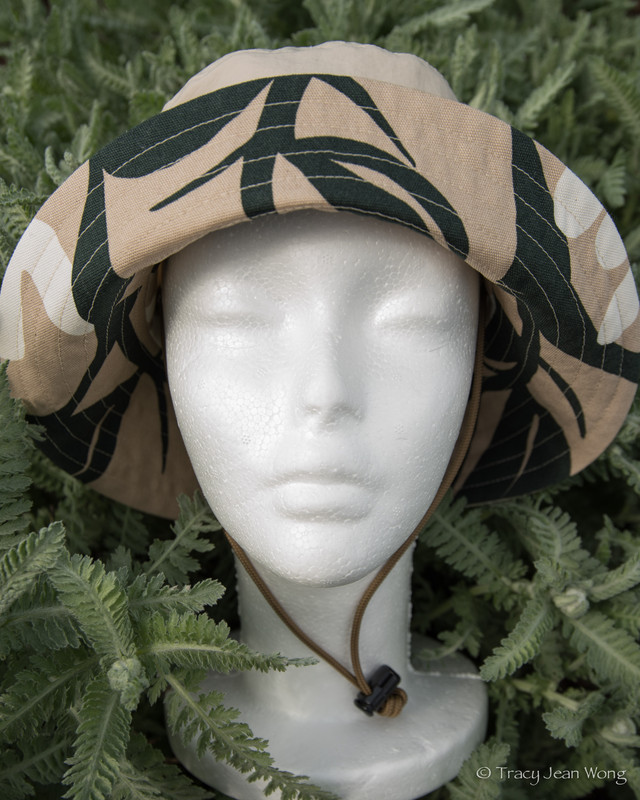
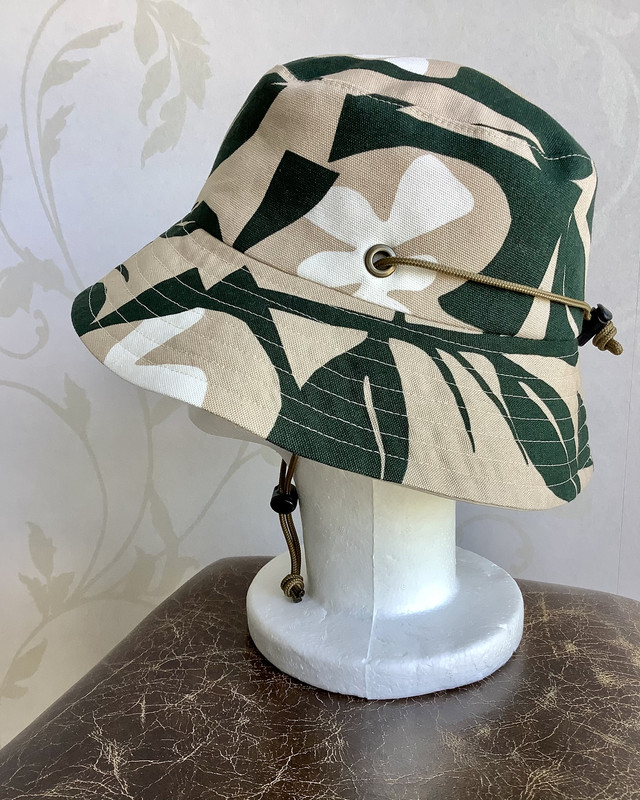
Reversible bucket hat with 3″ brim in Marimekko Naatit cotton print/technical fabric

This hat was custom sewn for a woman who had been invited to a garden tour in her community. She wanted a hat fitting for the occasion, but that could also do double duty in her own garden. She chose an organic cotton print in green and cream on brown for the eye-catching side of the bucket hat and a practical water and wind-resistant technical fabric for the reverse. In addition, she requested a chin strap to prevent the hat from blowing off her head in her windy seaside garden.

The chin strap is designed to function no matter which side of the hat faces outward. 550 Paracord (nylon parachute cord) was threaded through eyelets and secured by cord stops.

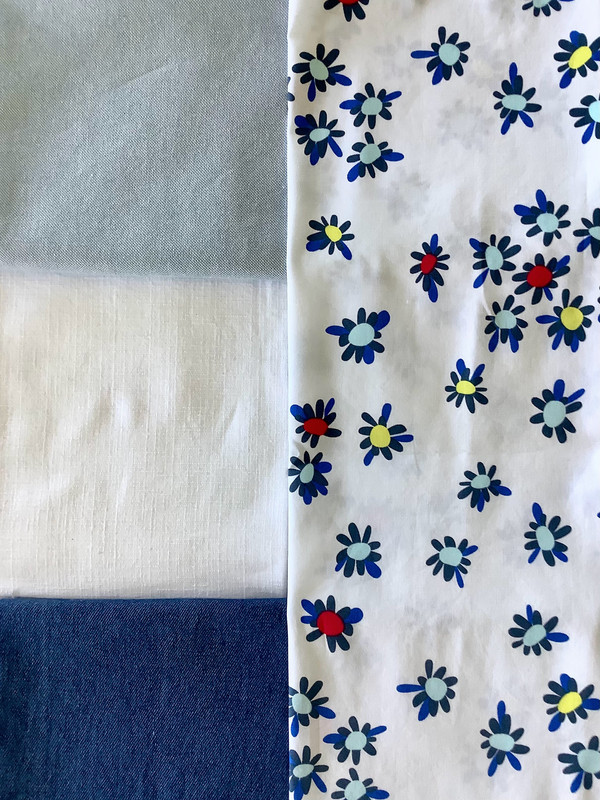
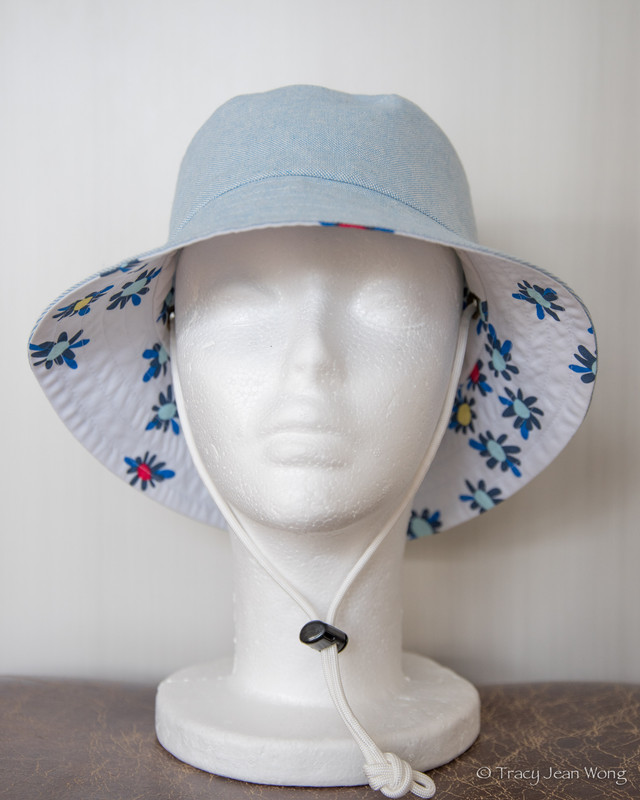
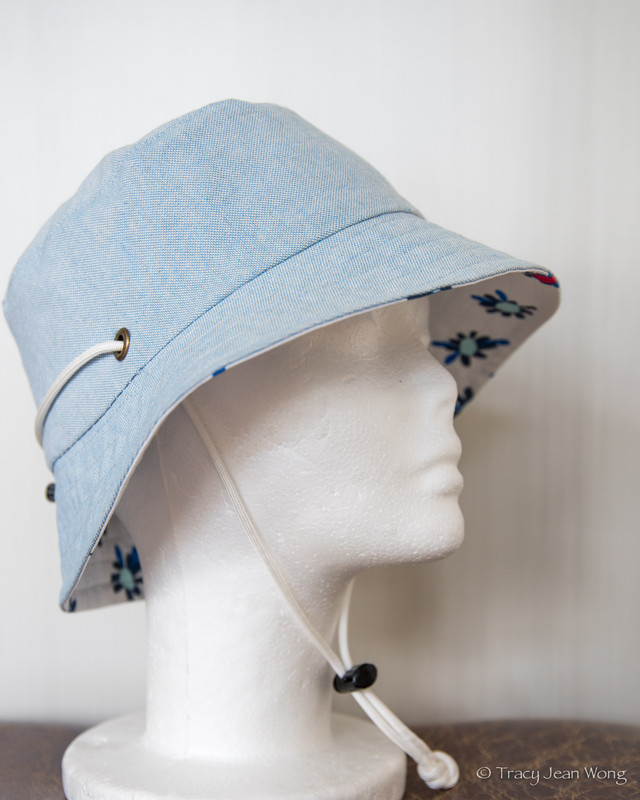
I received another request for a reversible bucket hat for wear both out and about at a summer home and while boating. My out-of-town customer liked the cotton with blue daisies featured in a previous post. I e-mailed a photograph of possible fabrics to match.

A standard 2-1/4 inch brim protects the face from the sun. The chin strap secures the hat on the head while boating.
The blue cotton canvas and the white nylon Paracord gives this hat a nautical look.

Cool Cotton

Like a kid in a candy store, I’m so happy shopping in a fabric store. I love browsing and exploring the array of patterns, materials and notions. Recently I visited a favourite family-run business Gala Fabrics in Victoria, B.C. I was on the hunt for cotton to sew sun-protection hats and I left not disappointed.

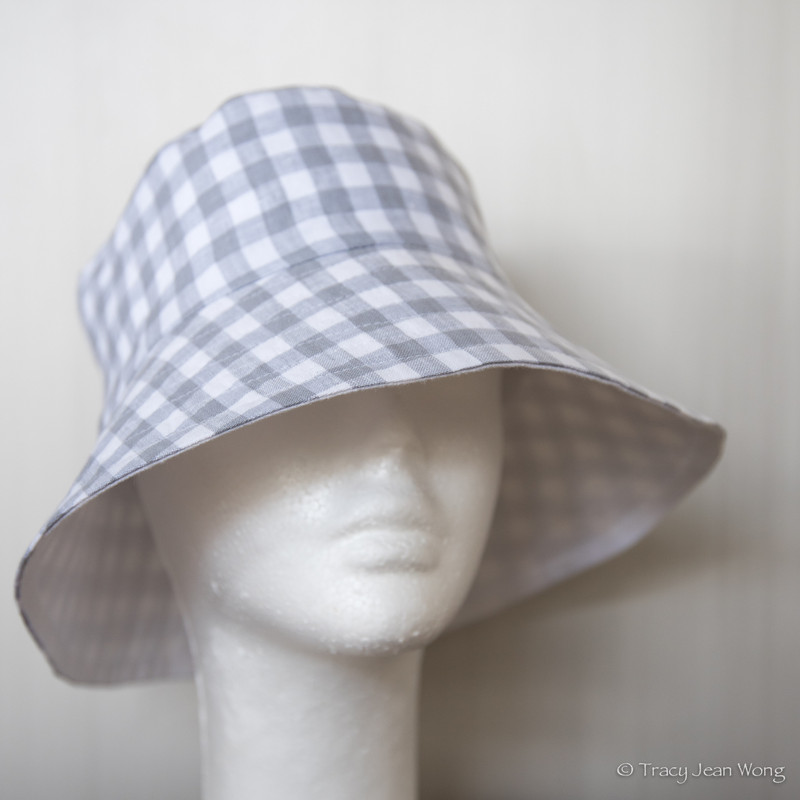
I purchased a light-weight quilting cotton with blue daisies and a medium-weight patchwork cotton from Sevenberry’s Nara Homespun collection. Both were made into reversible bucket hats and a remnant of blue recycled cotton canvas lined the reverse sides.

While the fabrics I chose were suitable for spring and summer wearing, cotton fibres can be woven into heavier materials, such as velvet, corduroy, velour and flannel. On the other end of the spectrum, cotton can be loosely woven into sheer, airy gauze and voile…think bandages, mosquito nets and curtains. Cotton is versatile and popular and includes properties of breathability and durability. Downsides are that it wrinkles easily and will shrink in the wash if not pre-treated.

Batik

Batik cotton “Lysander”

Batik is the art of decorating fabric—cotton, silk, linen, rayon and hemp—using wax and dyes. The origin of batik is uncertain, but some speculate that it spread from Asia along caravan trading routes over 2,000 years ago. Batik is now found worldwide. The batiks of the pleated skirts of the Miao people tell the history of their ancestors’ migration from China to Vietnam, Thailand and Laos. Still popular today, African Mali mudcloth came from an ancient technique that used a bath of leaves and branches, followed by mud dyeing and sun drying. Pysanky Easter eggs of Ukraine are decorated with symbolic motifs, often incorporating complex geometric or floral patterns.

Reversible Bucket Hat, Batik Cotton “Acorn” with Crinkle Cotton (reverse)

Some of the best batik craftsmanship is found on the island of Java in Indonesia. In 2009, UNESCO recognized Javanese batik as a Masterpiece of Oral and Intangible Heritage of Humanity. Originally batik seemed a natural fit for Java with ready availability of the raw materials—cotton, beeswax and plants to provide natural dyes. A simplified explanation of batiking involves first blocking out or dotting (the Javanese word “tik” means to dot) designs on fabric with hot wax. Dye is applied and the wax resists the dye. Waxing and dyeing is repeated until the desired outcome is achieved. Then the wax is removed.

Reversible Bucket Hat, Cotton Batik “Lysander” with Recycled Canvas (reverse)

Contemporary batik can be crafted using a variety of techniques to apply wax and dyes. Tools such as wooden stamps and stencils create interesting visual effects. Different kinds of waxes and dyes, both natural and synthetic, are part of the batik artist’s kit.

Design and Printed Fabrics

There are many stunning printed fabrics from around the globe. In this post, I feature printed fabrics from the Finnish design house “Marimekko” and a homespun cotton printed with a traditional Japanese pattern from “Sevenberry”.

This hat was sewn using Berry, a cotton print by Antti Kekki (Marimekko)

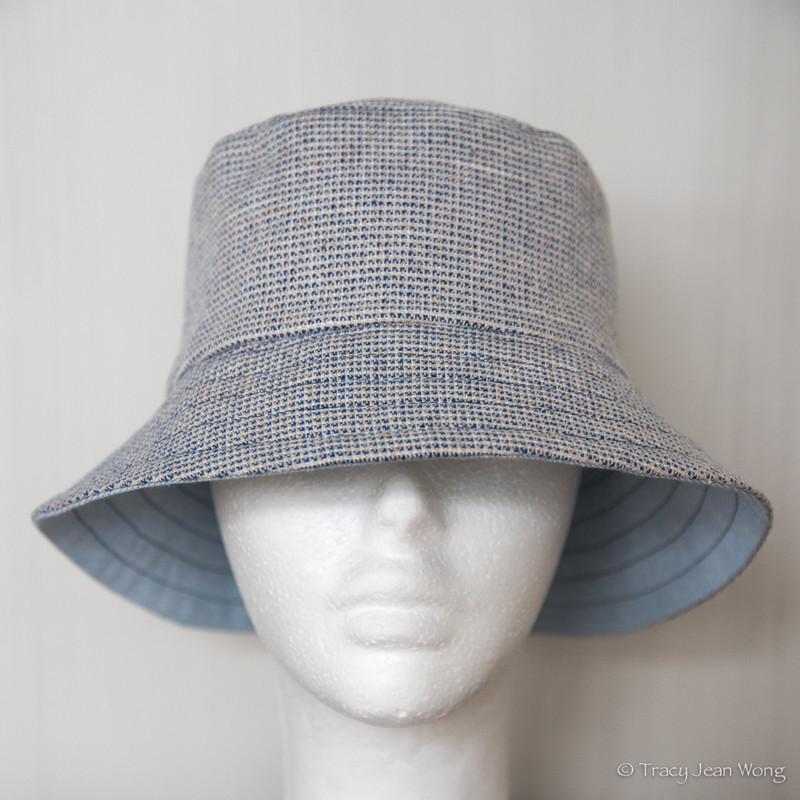
When Marimekko fabrics caught my eye, I wanted to incorporate some of the large abstract prints into hats. At first, as in the hat above, I opted for a cream-coloured fabric for a subtle other side of my reversible bucket. Feeling a bit more adventurous, for the next hat, I paired a checked navy and white cotton/hemp blend with an indigo-dyed cotton sheeting printed with maple leaves.

This hat combines a large checked pattern called Taite by Fujiwo Ishimoto (Marimekko) and a collage of small maple leaves (Sevenberry)
Sevenberry Maple: Are there right and wrong sides to this cotton fabric?
I matched the “wrong” side of Maple to the “right” side of Taite
The longer brim provides shade, while the light brim interior brightens the face

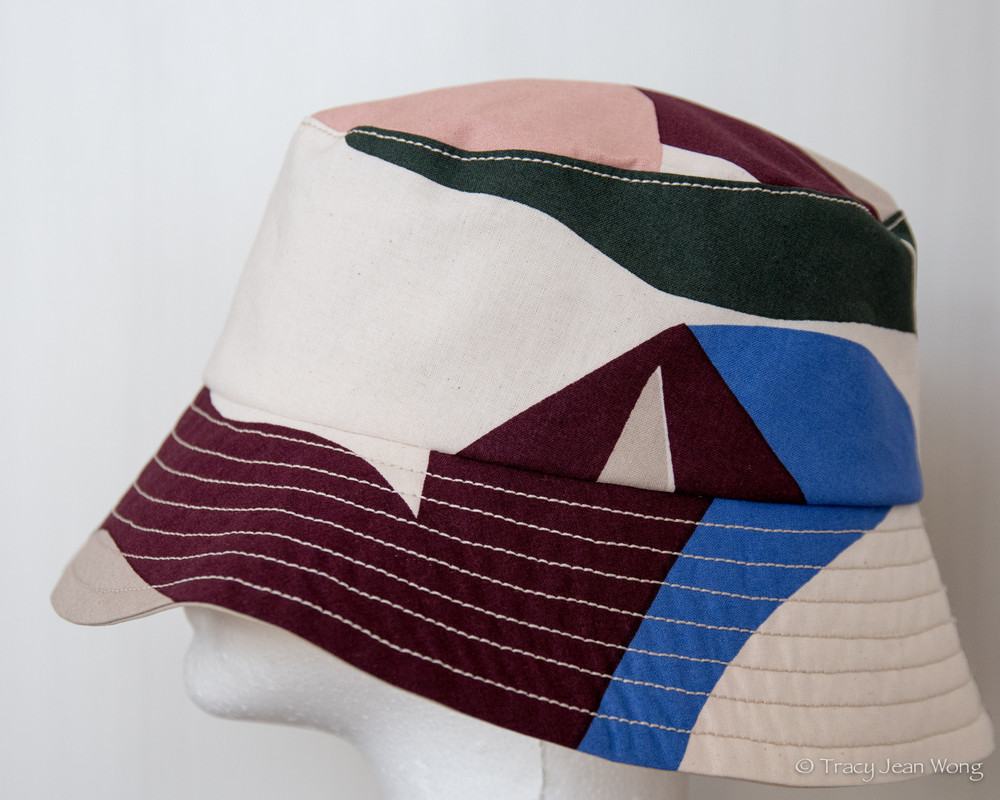
Another summer hat was sewn with an unbleached cotton called Rukinlapa by Antti Kekki (Marimekko). I was deliberate in choosing where to lay and cut the pattern pieces for the hat. So, while the hat appears to have a random and abstract vibe, a large piece of this fabric displayed on a table resembles a vine climbing on a wall.

Cotton print called Rukinlapa by Antti Kekki (Marimekko) on one side with plain linen on the reverse of this bucket hat

Spring Fling

Thought I would shake up my routine. I’m passionate about making hats, but I felt it might be fun to crochet light weight cotton scarves for spring.

Although I shape or “block” most of my finished crocheted hats, the diamond mesh work in this scarf really benefited from spray blocking. I laid the scarf on a towel, sprayed it with water, then worked it into the desired rectangular shape and dimensions. After letting it dry undisturbed, I found that blocking also smoothed out stitches and nicely showed off the lace pattern.

Before blocking
After blocking

Another project I completed was a triangular cotton scarf in a crochet bobble stitch. The pattern was customized from a kerchief design by Pattern Paradise.