Cool Cotton

Like a kid in a candy store, I’m so happy shopping in a fabric store. I love browsing and exploring the array of patterns, materials and notions. Recently I visited a favourite family-run business Gala Fabrics in Victoria, B.C. I was on the hunt for cotton to sew sun-protection hats and I left not disappointed.

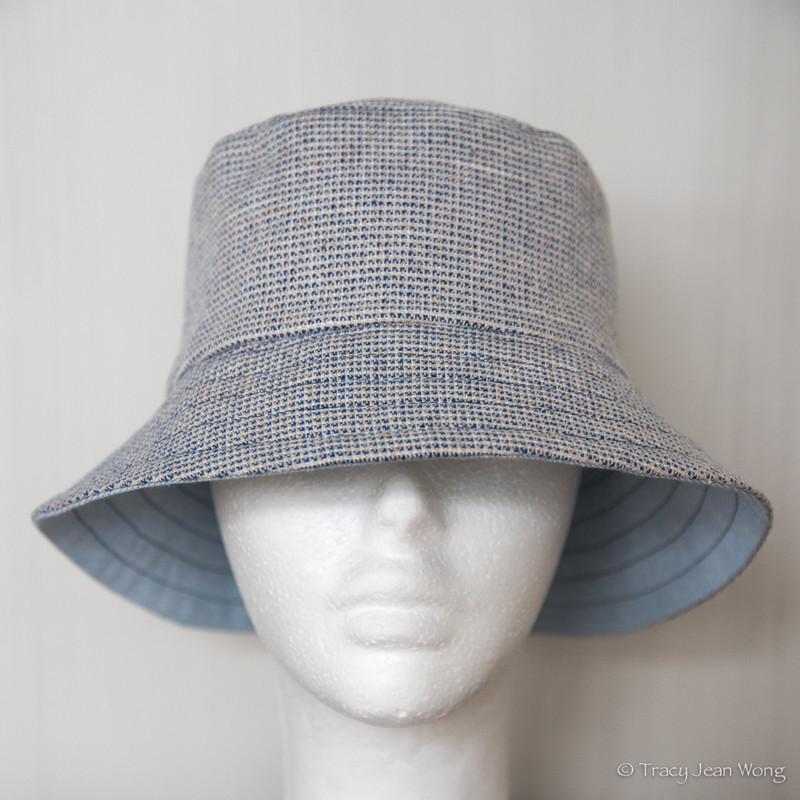
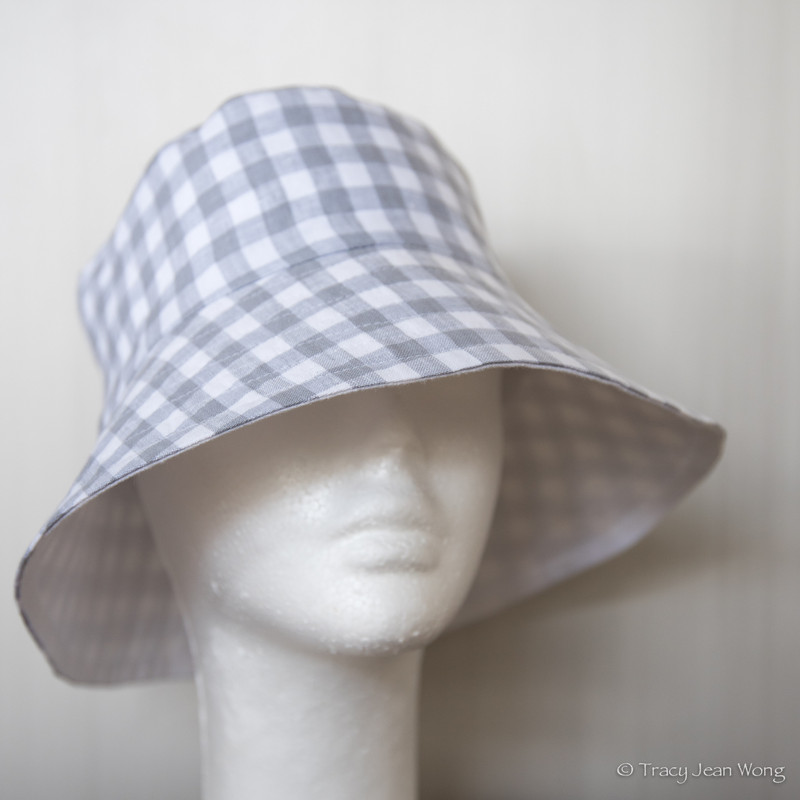
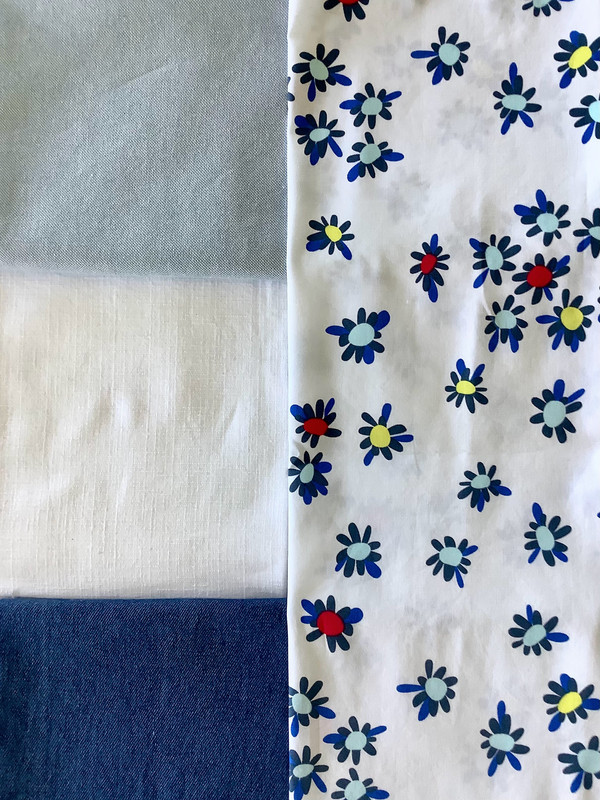
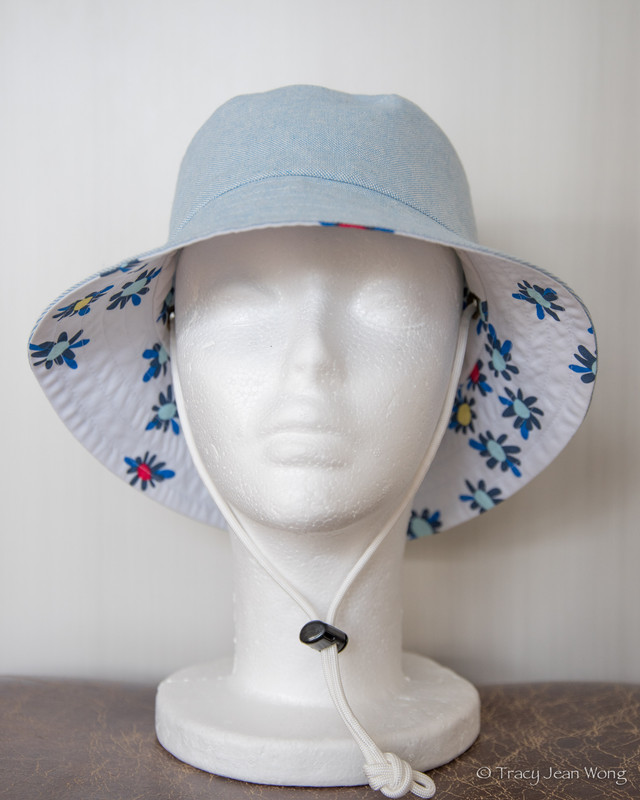
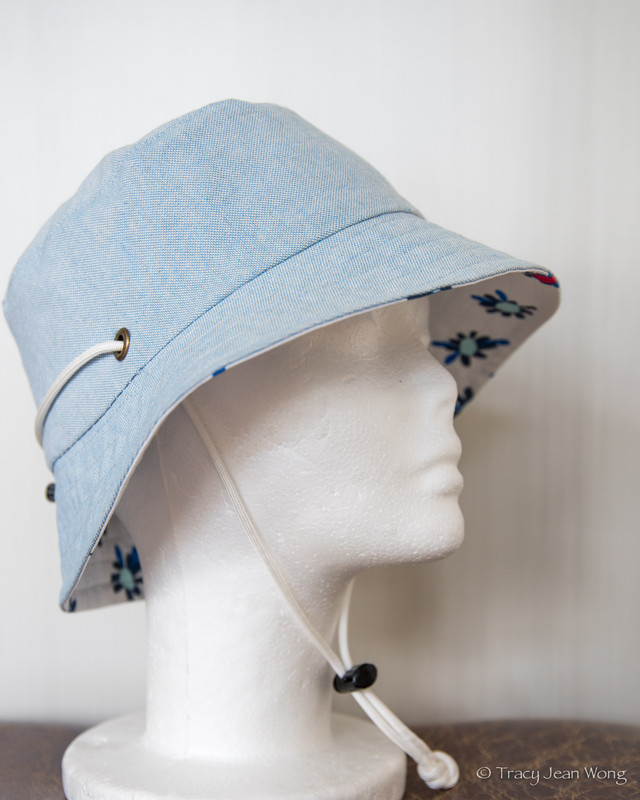
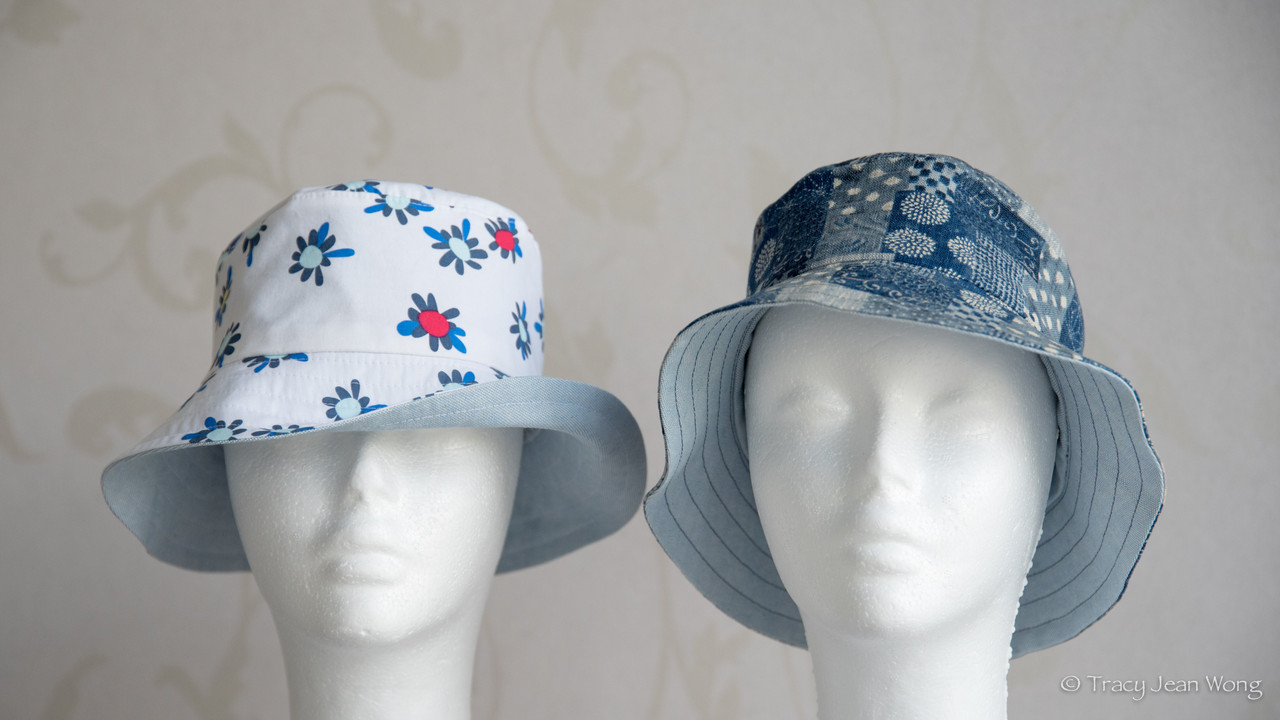
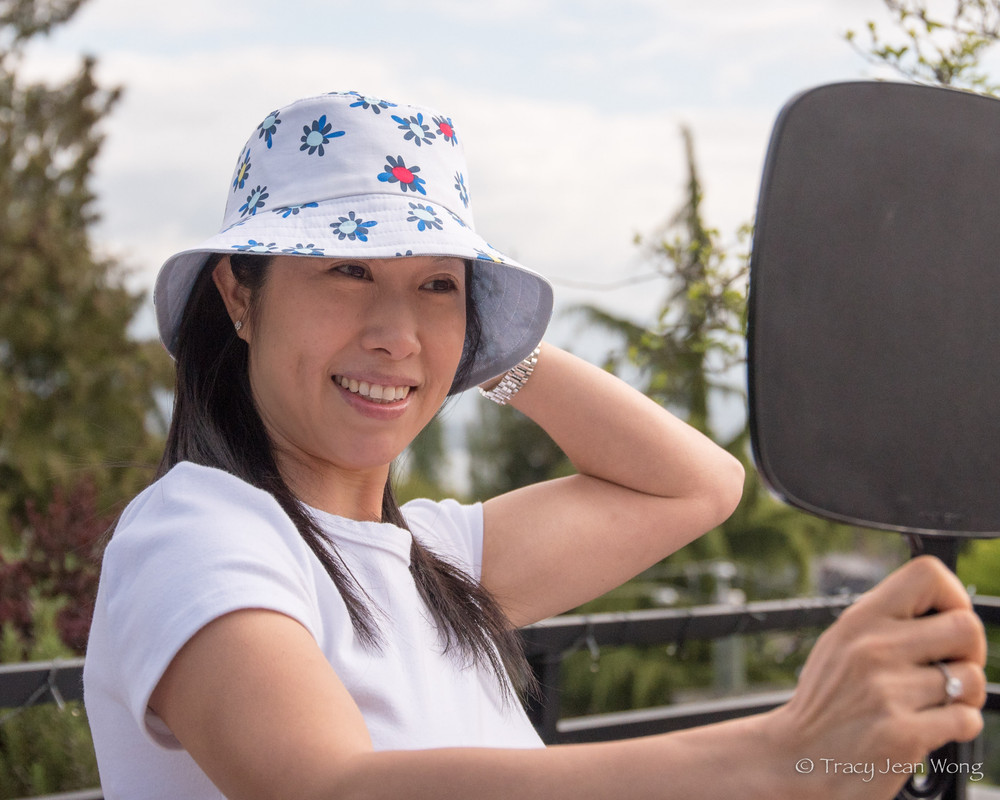
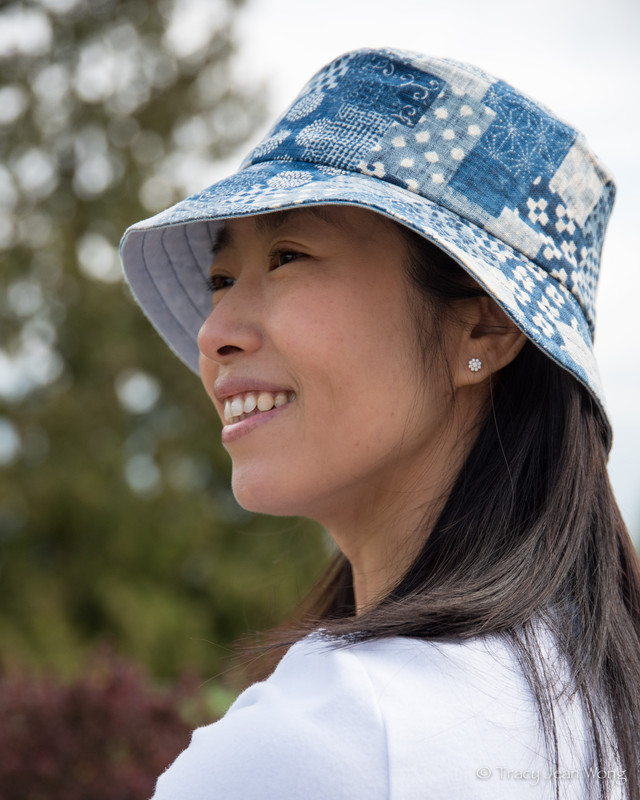
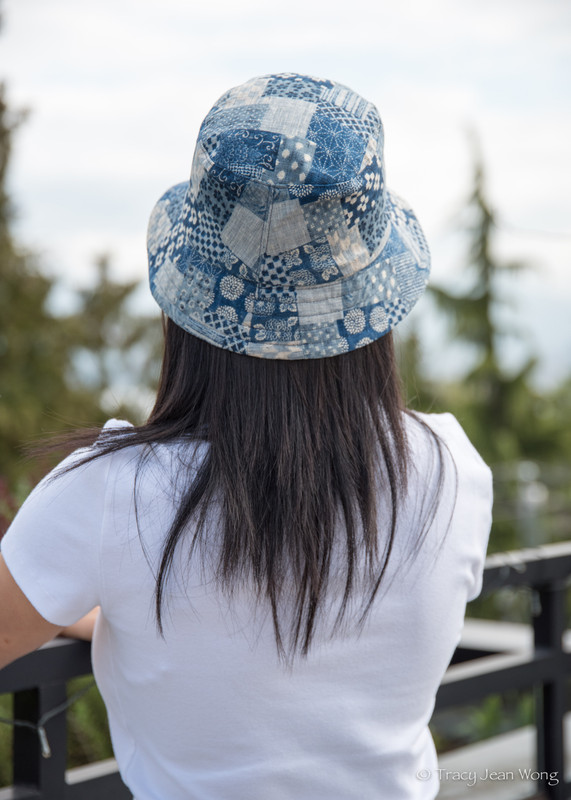
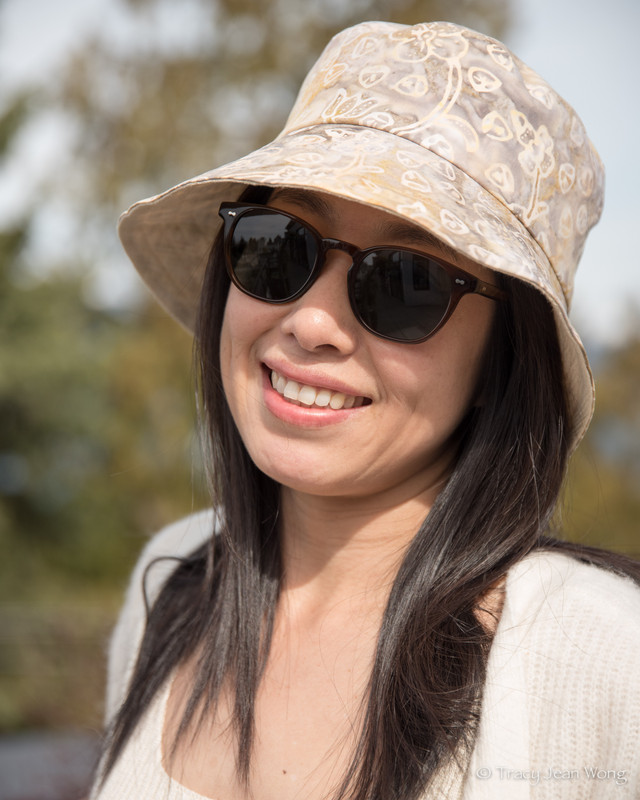
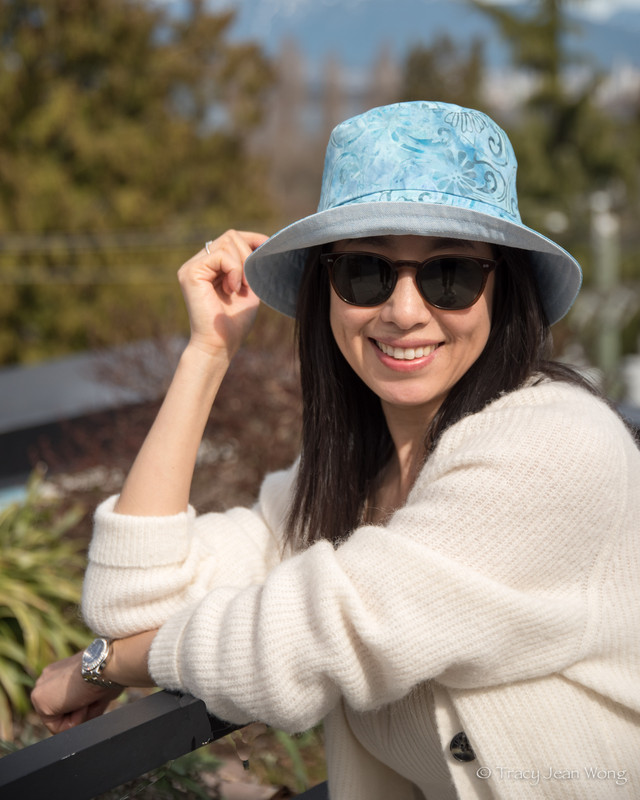
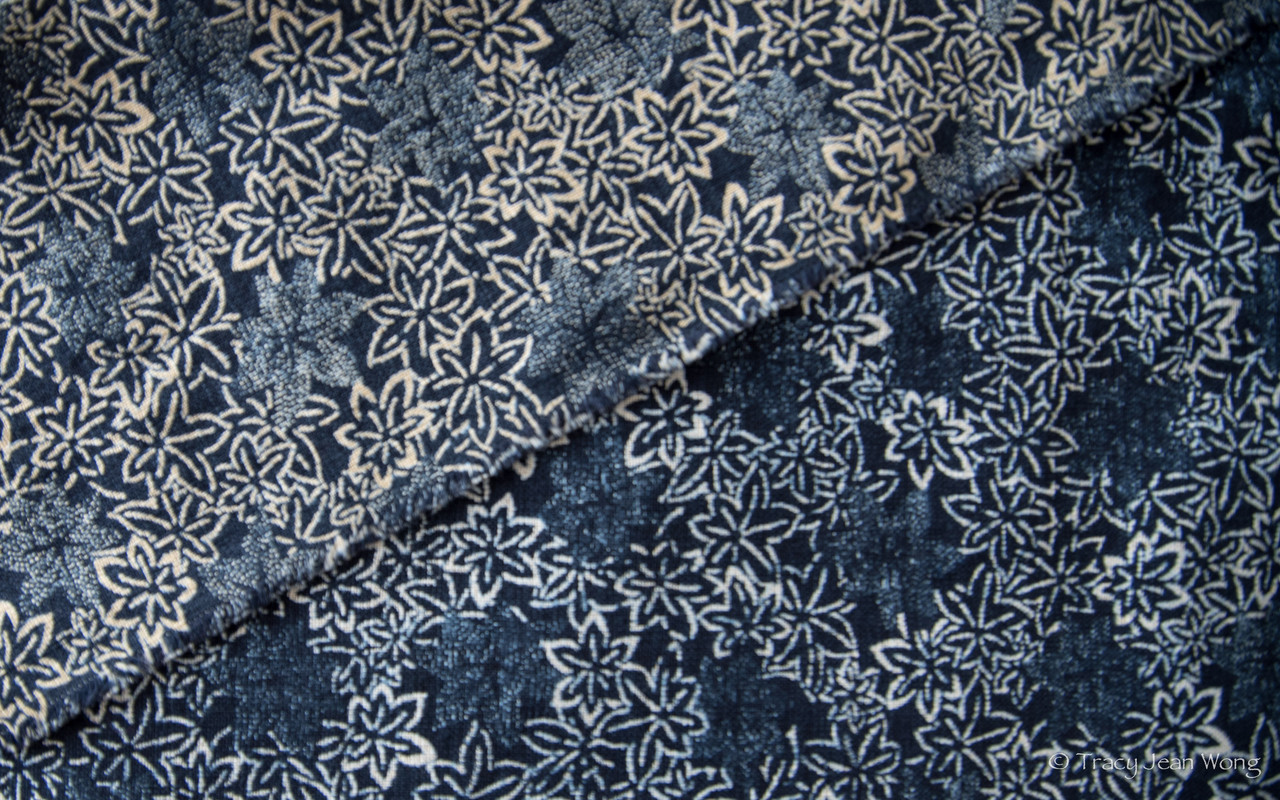
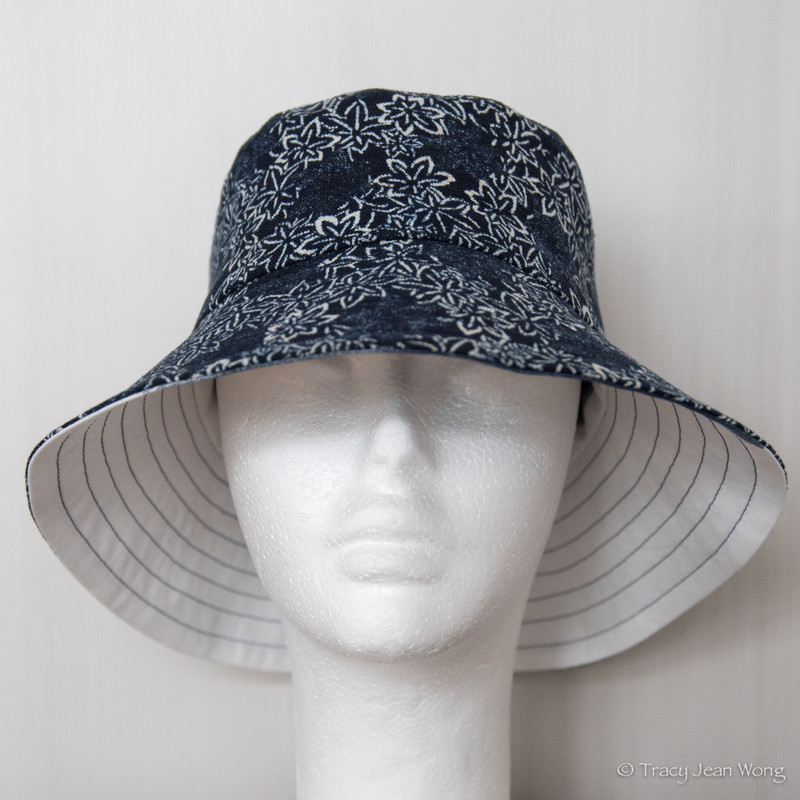
I purchased a light-weight quilting cotton with blue daisies and a medium-weight patchwork cotton from Sevenberry’s Nara Homespun collection. Both were made into reversible bucket hats and a remnant of blue recycled cotton canvas lined the reverse sides.

While the fabrics I chose were suitable for spring and summer wearing, cotton fibres can be woven into heavier materials, such as velvet, corduroy, velour and flannel. On the other end of the spectrum, cotton can be loosely woven into sheer, airy gauze and voile…think bandages, mosquito nets and curtains. Cotton is versatile and popular and includes properties of breathability and durability. Downsides are that it wrinkles easily and will shrink in the wash if not pre-treated.

Batik

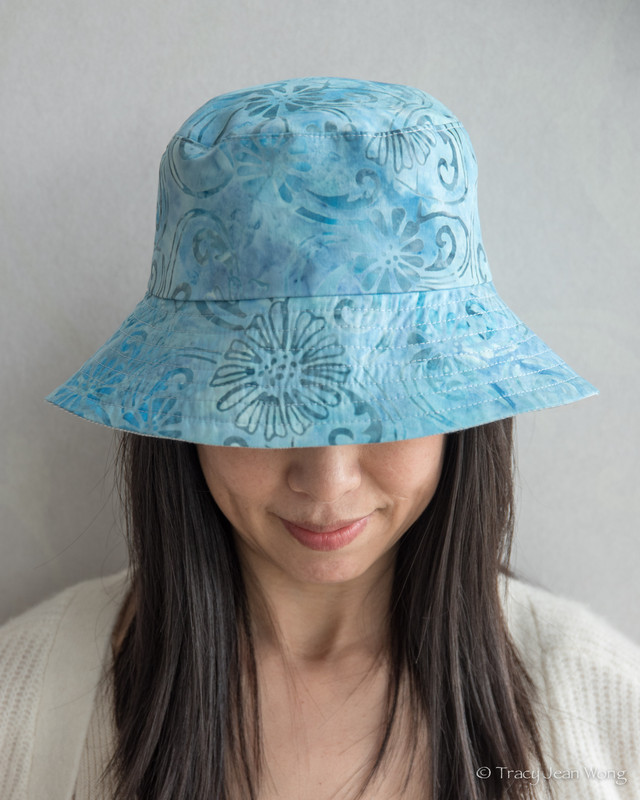
Batik cotton “Lysander”

Batik is the art of decorating fabric—cotton, silk, linen, rayon and hemp—using wax and dyes. The origin of batik is uncertain, but some speculate that it spread from Asia along caravan trading routes over 2,000 years ago. Batik is now found worldwide. The batiks of the pleated skirts of the Miao people tell the history of their ancestors’ migration from China to Vietnam, Thailand and Laos. Still popular today, African Mali mudcloth came from an ancient technique that used a bath of leaves and branches, followed by mud dyeing and sun drying. Pysanky Easter eggs of Ukraine are decorated with symbolic motifs, often incorporating complex geometric or floral patterns.

Reversible Bucket Hat, Batik Cotton “Acorn” with Crinkle Cotton (reverse)

Some of the best batik craftsmanship is found on the island of Java in Indonesia. In 2009, UNESCO recognized Javanese batik as a Masterpiece of Oral and Intangible Heritage of Humanity. Originally batik seemed a natural fit for Java with ready availability of the raw materials—cotton, beeswax and plants to provide natural dyes. A simplified explanation of batiking involves first blocking out or dotting (the Javanese word “tik” means to dot) designs on fabric with hot wax. Dye is applied and the wax resists the dye. Waxing and dyeing is repeated until the desired outcome is achieved. Then the wax is removed.

Reversible Bucket Hat, Cotton Batik “Lysander” with Recycled Canvas (reverse)

Contemporary batik can be crafted using a variety of techniques to apply wax and dyes. Tools such as wooden stamps and stencils create interesting visual effects. Different kinds of waxes and dyes, both natural and synthetic, are part of the batik artist’s kit.

Design and Printed Fabrics

There are many stunning printed fabrics from around the globe. In this post, I feature printed fabrics from the Finnish design house “Marimekko” and a homespun cotton printed with a traditional Japanese pattern from “Sevenberry”.

This hat was sewn using Berry, a cotton print by Antti Kekki (Marimekko)

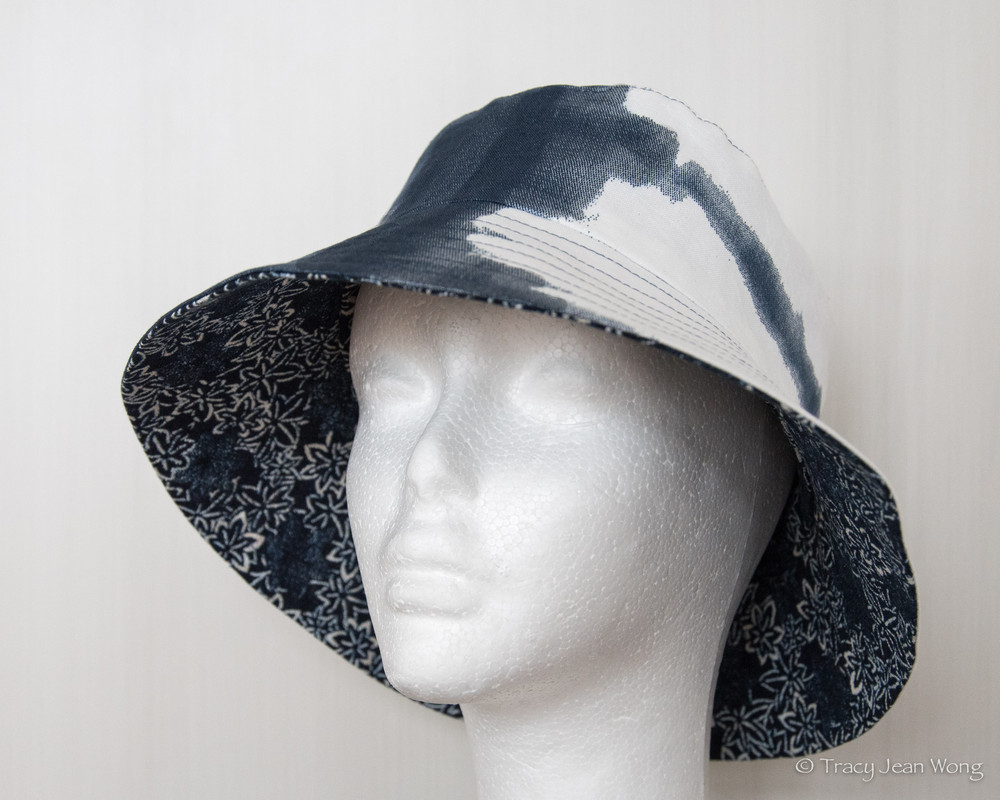
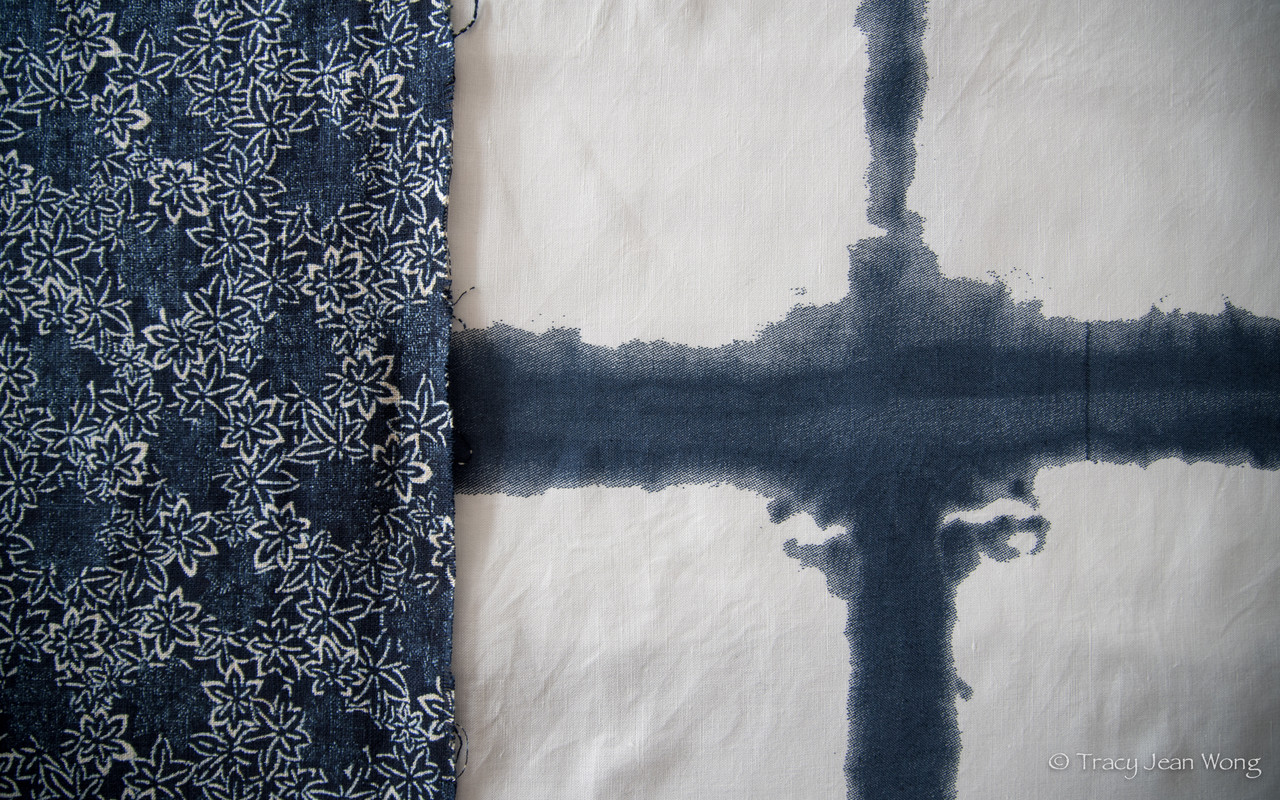
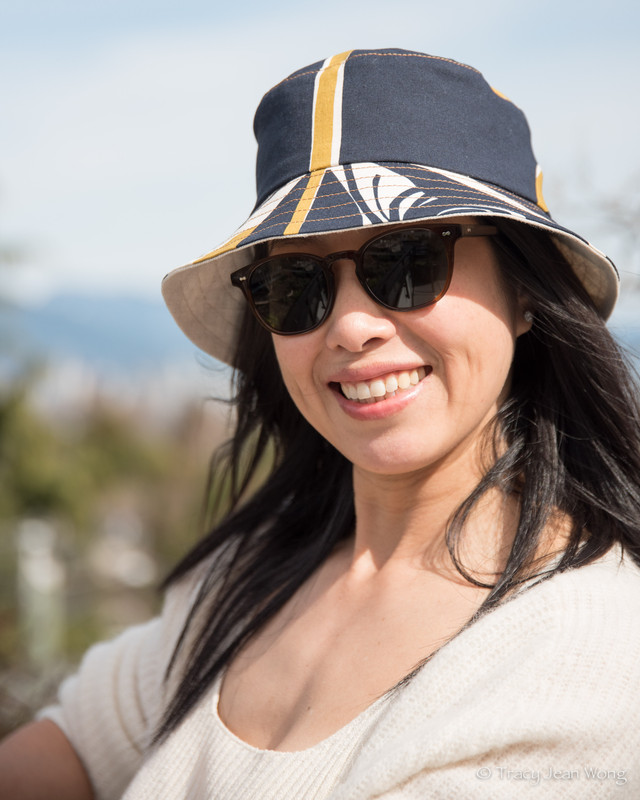
When Marimekko fabrics caught my eye, I wanted to incorporate some of the large abstract prints into hats. At first, as in the hat above, I opted for a cream-coloured fabric for a subtle other side of my reversible bucket. Feeling a bit more adventurous, for the next hat, I paired a checked navy and white cotton/hemp blend with an indigo-dyed cotton sheeting printed with maple leaves.

This hat combines a large checked pattern called Taite by Fujiwo Ishimoto (Marimekko) and a collage of small maple leaves (Sevenberry)
Sevenberry Maple: Are there right and wrong sides to this cotton fabric?
I matched the “wrong” side of Maple to the “right” side of Taite
The longer brim provides shade, while the light brim interior brightens the face

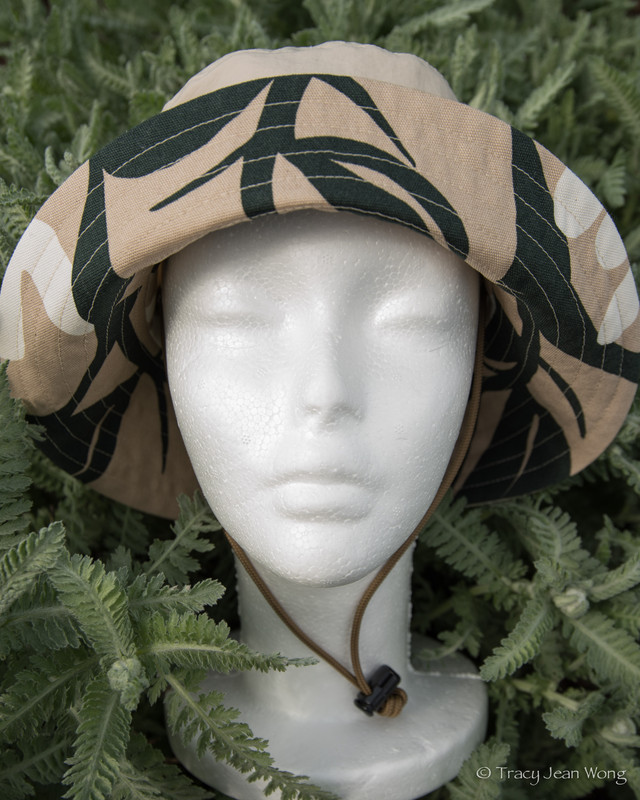
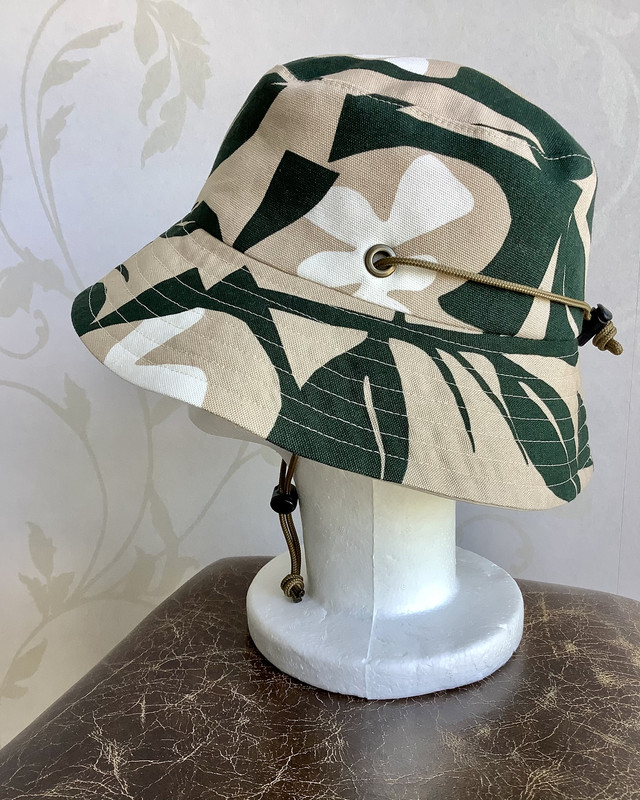
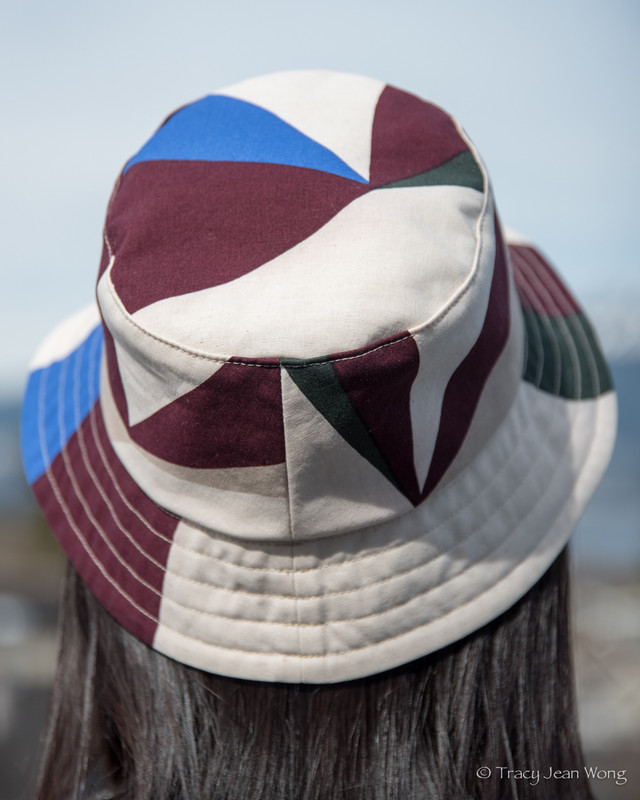
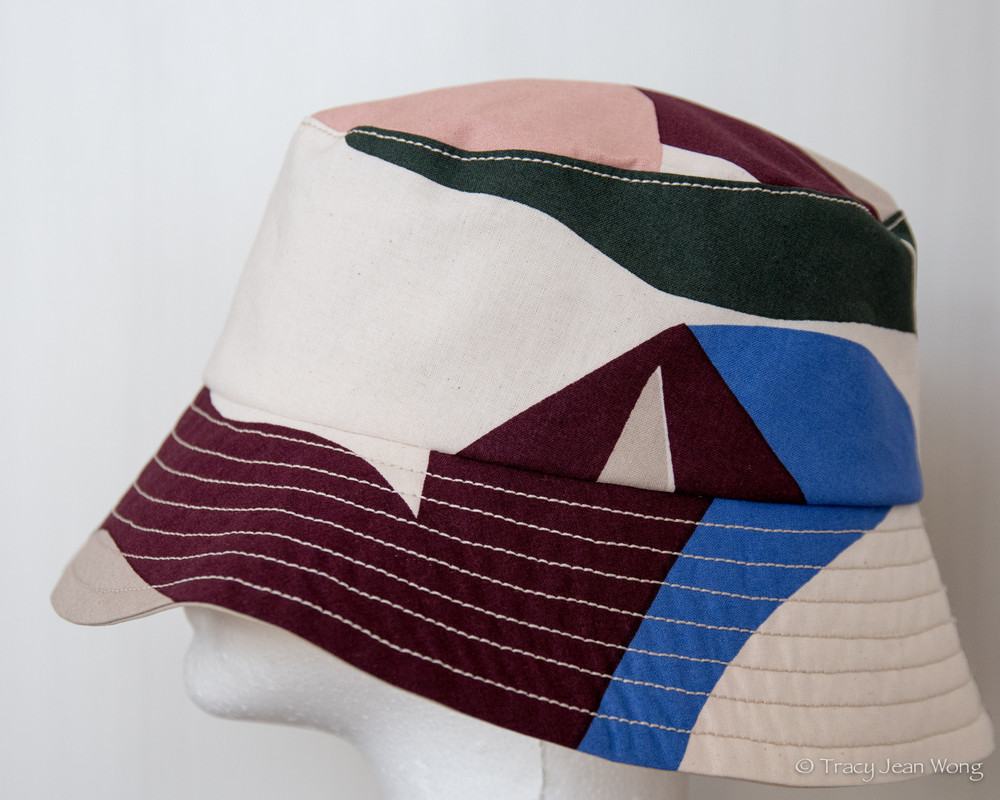
Another summer hat was sewn with an unbleached cotton called Rukinlapa by Antti Kekki (Marimekko). I was deliberate in choosing where to lay and cut the pattern pieces for the hat. So, while the hat appears to have a random and abstract vibe, a large piece of this fabric displayed on a table resembles a vine climbing on a wall.

Cotton print called Rukinlapa by Antti Kekki (Marimekko) on one side with plain linen on the reverse of this bucket hat

Spring Fling

Thought I would shake up my routine. I’m passionate about making hats, but I felt it might be fun to crochet light weight cotton scarves for spring.

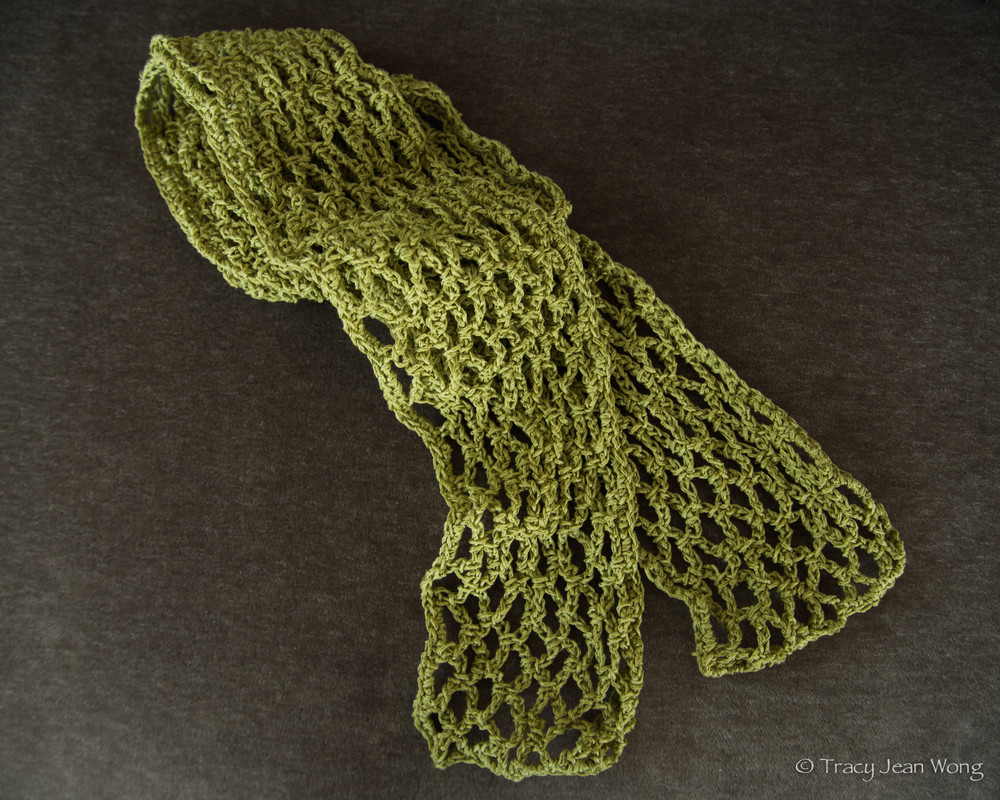
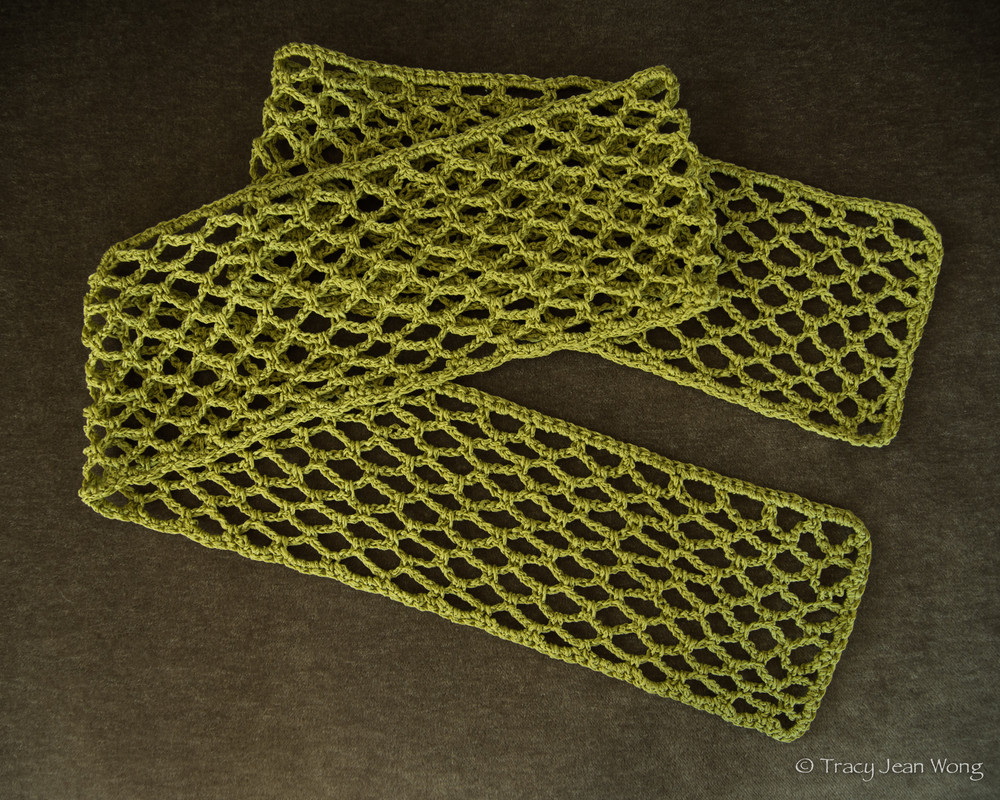
Although I shape or “block” most of my finished crocheted hats, the diamond mesh work in this scarf really benefited from spray blocking. I laid the scarf on a towel, sprayed it with water, then worked it into the desired rectangular shape and dimensions. After letting it dry undisturbed, I found that blocking also smoothed out stitches and nicely showed off the lace pattern.

Before blocking
After blocking

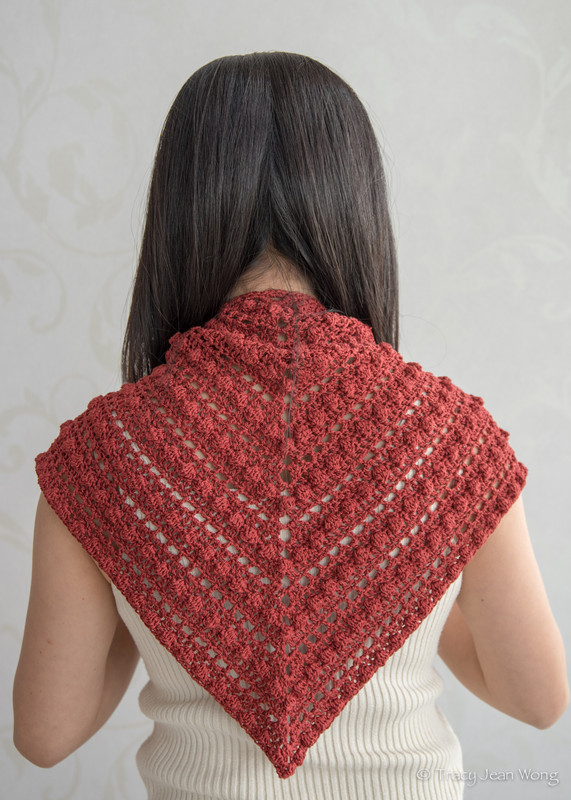
Another project I completed was a triangular cotton scarf in a crochet bobble stitch. The pattern was customized from a kerchief design by Pattern Paradise.

Flat Caps

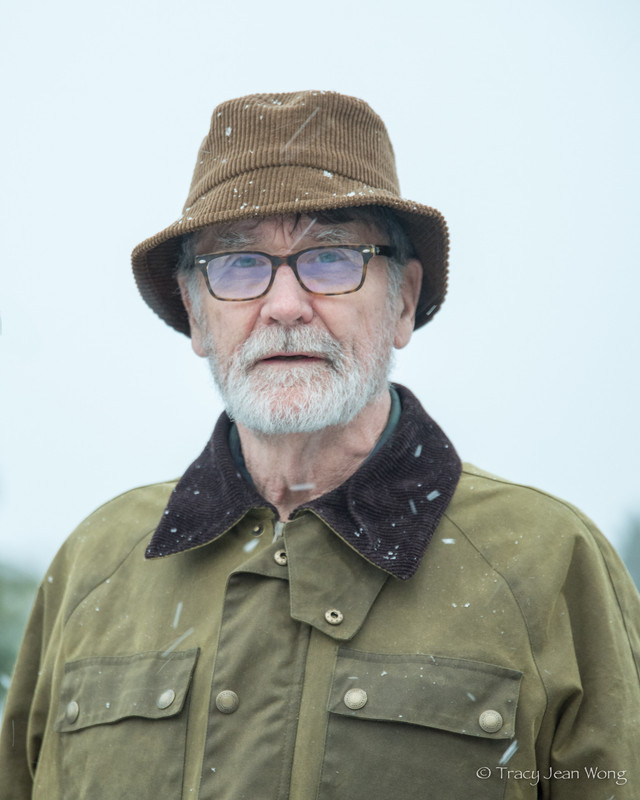
Flat cap in wide wale corduroy

What do comic strip character Andy Capp, the late professional golfer Payne Stewart, and 1998 Canadian Winter Olympic athletes have in common? All have been seen doffing and donning a flat cap.

Worsted wool suiting is a resilient fabric for flat caps

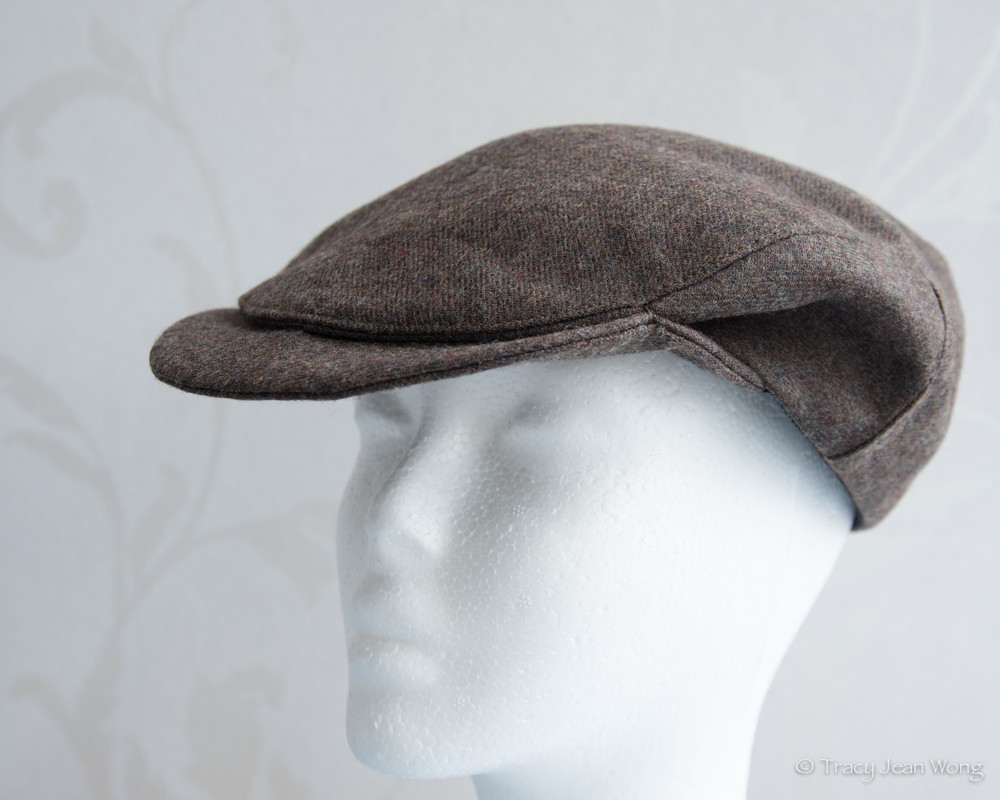
The flat cap is a round-shaped cap where the crown is pulled forward and attached to a stiff visor or bill with a snap or stitching. It originated in England and was the cap of the working class. In 1571, an Act of the British Parliament decreed that men and boys of non-noble class were to wear a hat on Sundays and holidays or be subjected to a fine of 3 farthings per day. It was the goal of the government to stimulate domestic wool consumption. The flat cap became the hat of the working class and was commonly made of wool tweed.
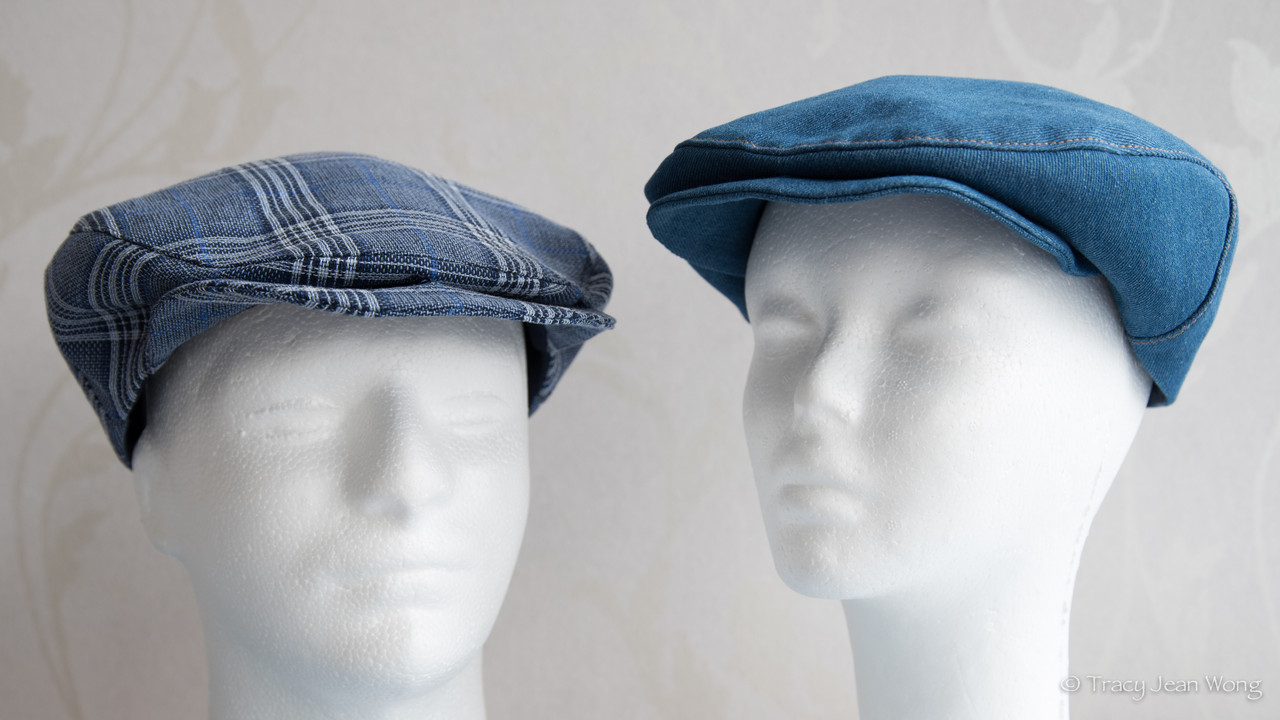
Flat caps sewn in plaid linen and classic blue denim fabrics

Today the flat cap remains fashionable. Although it is often sported by older men, a flat cap suits anyone with a diamond, oval, or heart-shaped face, no matter what age or gender. Find flat caps in wool tweed, cotton, corduroy, linen and leather.

Men in Hats

From fishermen and farmers to skateboarders and hip hop artists, the bucket hat is a popular and practical choice.

Men began wearing hats in earnest as a symbol of style and protection against the elements with the advent of organized sport. As early as 1807, a dress code was established at horse races and polo tournaments for attendees at the royal enclosure at the Royal Ascot in Britain. To this day, a black or grey top hat is part of the requirement, as is a waistcoat, tie and black shoes worn with socks.

The common man’s baseball cap has its roots in the 1860s when the Boston Excelsiors wore a rounded cap with a button on top and a long bill. Today, the hats of Major League Baseball teams can be readily identified by the logo, mascot, or team’s initial on their caps. Baseball caps with their front-facing brims and panelled construction are seen just about everywhere and worn by kids, men and women.

Hats off indoors…or not?

For a long time, men’s hat etiquette was such that wearing a hat indoors was impolite in places of worship, public spaces, and private homes. While the rules have loosened over the years, it is still considered a gentlemanly courtesy to uncover your head in private spaces where people live, work, or pay a fee to enter (such as a private club or theatre). Golfers, on the 18th green at the conclusion of their round, customarily remove their caps before shaking hands with their playing partners. It is also common to tip your hat as a show of respect to another.

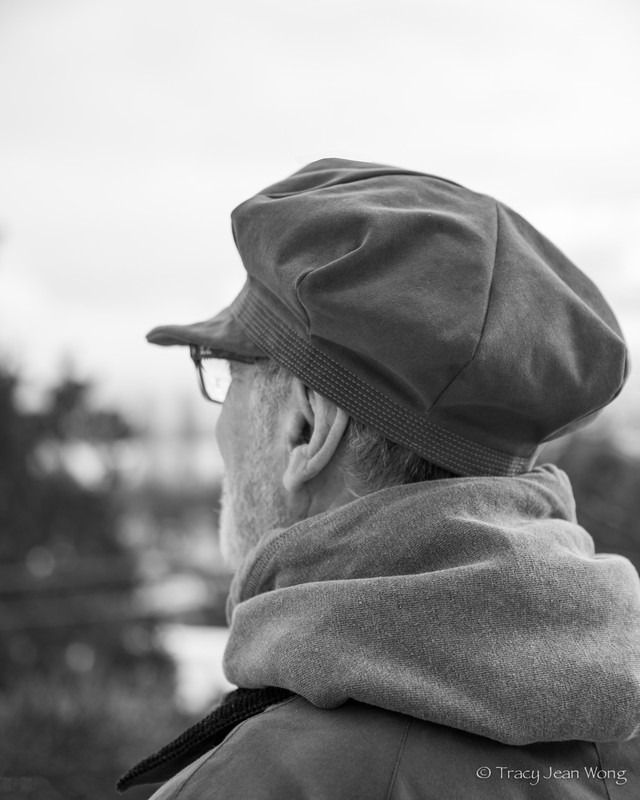
The newspaper cap in a brushed cotton/polyester blend

Men’s Classic Beanie

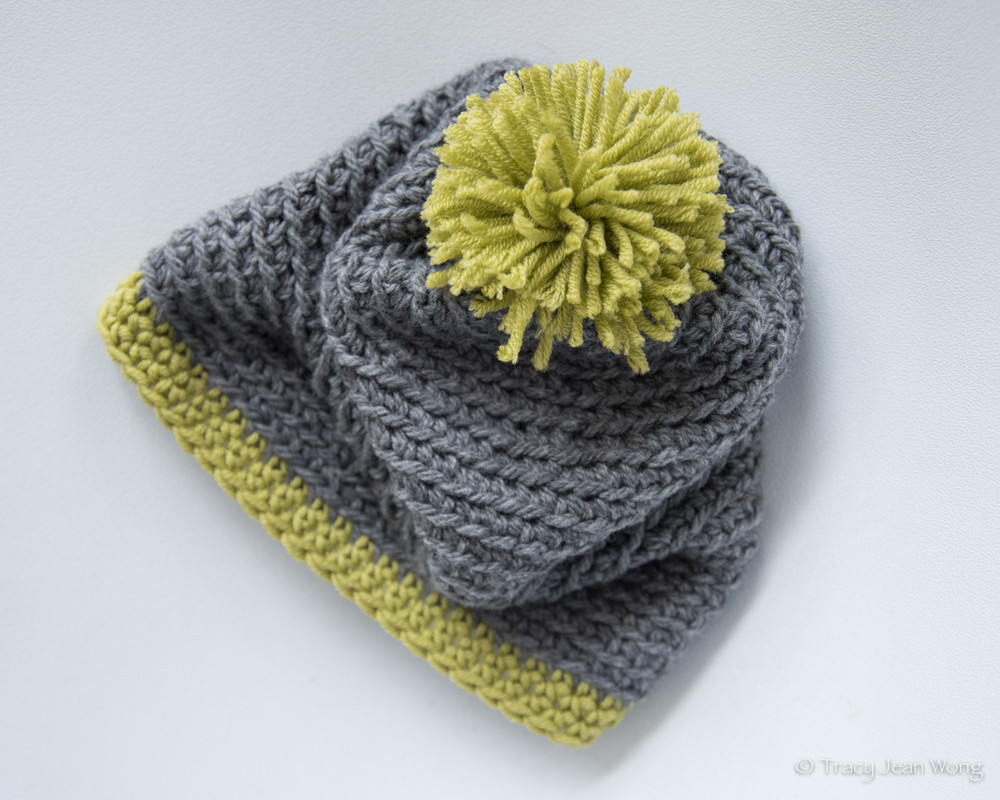
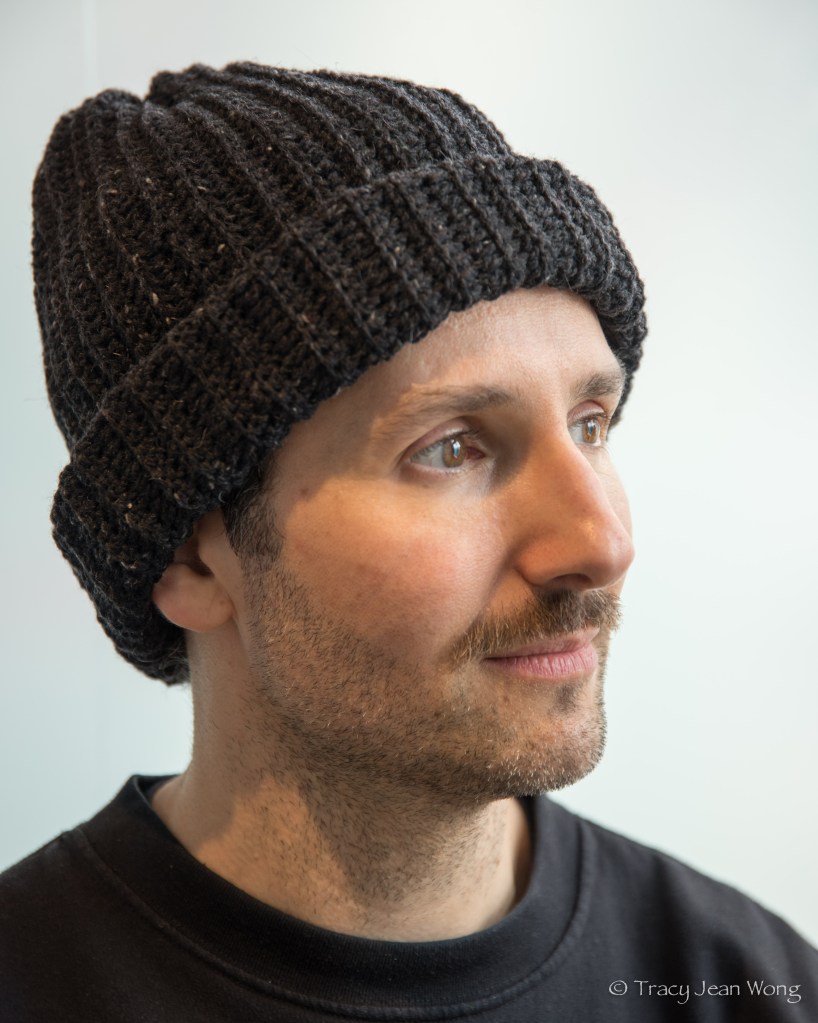
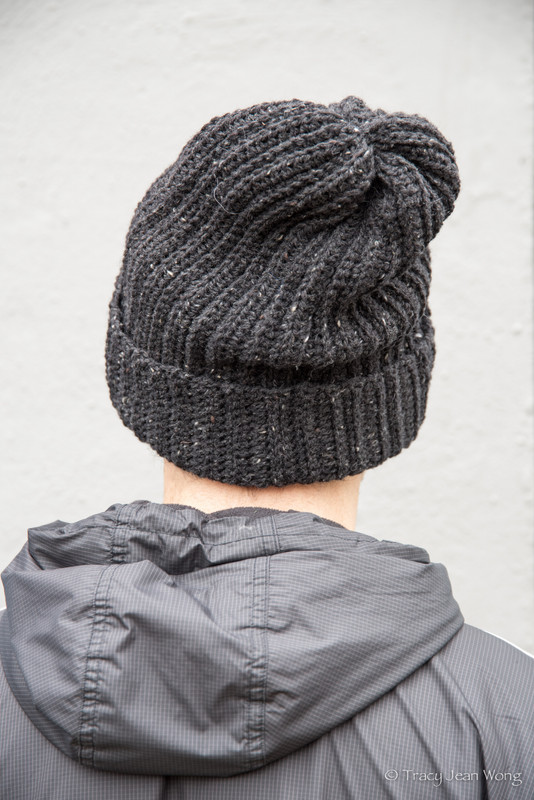
I received a request for “a man’s black toque with a roll-up cuff”. This gave me latitude to try out a new technique. I took my lead from a design for a classic beanie by rich textures CROCHET. Rather than working top down or bottom up, the hat is constructed crocheting sideways. The finished panel is sewn together in a seam and cinched together in a loop at the top.

The yarn that I chose is a black tweed organic wool/viscose blend. In a double knitting weight, I knew that the cuff would not be too bulky. In fact, the yarn is light enough that it can be turned up once for a slouchy beanie look or twice for a closer fitting toque.

I adapted the original pattern for a wider ribbed look. The ribbing allows for a little or a lot of stretch and makes this hat almost a “one size fits all”. Although crocheted, it bears resemblance to a knitted hat. It is both versatile and classic.

The slouchy beanie from the back

Pretty in Pink

Is pink reserved for baby girls, Barbie dolls, Valentine’s Day and young women in romantic comedies from the 1980s? Not exclusively. A pink ribbon affixed with a pin has become the symbol for breast cancer, raising awareness for women battling the disease.

Consider Pink Shirt Day. In Canada, the last Wednesday of February is recognized as Anti-Bullying Day and wearing a pink shirt signals support for a kinder and more inclusive world.

In 2017, the Pussyhat Project was initiated by Krista Suh and Jayna Zweiman. Handmade pink hats were worn by millions of women in marches across the globe. City streets were awash in seas of pinks as a visual statement of solidarity for women’s rights in protest against the incoming Trump administration.

Pantone is a company in New Jersey that specializes in systematizing colour. Its catalogue of different hues within each colour family guides the palettes of lifestyle companies. Viva Magenta is Pantone’s colour of the year, so expect to see this vivacious red/pink in home interiors, product packaging, fashion and accessories, and on lips and nails.

Hot pink was featured on fashion runways in 2022/23. Pierpaolo Piccioli boldly debuted Valentino’s autumn/winter collection in the monochrome colour named Pink PP. This hue was developed in collaboration with Pantone.

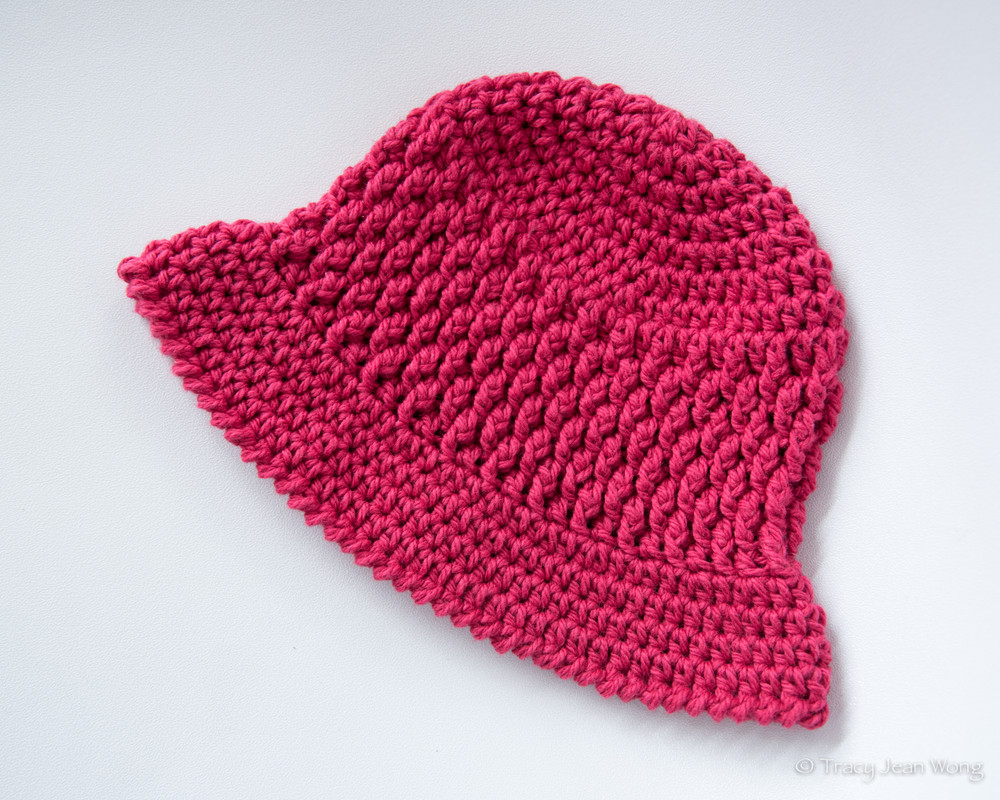
So, whether you have a stand to take or simply want to add a pop of pink to your wardrobe, there are lots of pinks to choose from. The warm winter hat above is crocheted in a blush pink merino wool. The toque to the right is reminiscent of lilac flowers and is made in a fringed ribbon yarn (fibre unknown). The loosely woven pattern makes it an ideal hat for spring. The headbands show off a bright fuchsia colour.

Girl’s Headbands in 85% Cotton/15% Cashmere are pretty in pink

Scarlet Stockinette

Flip, a design by Kim Hargreaves, Merino Wool

I was lucky to be gifted many balls of yarn, knitting needles, patterns and supplies by Susan, a fellow crafter. A pattern for a cute hat simply knit in stockinette stitch caught my eye. As a novice knitter, I thought it would be a good first hat to knit with the super bulky merino wool and big needles in my gift package.

Alternating rows of knit and purl, the stockinette stitches results in a smooth stretchy fabric. It’s a favourite for fine knit stockings, hence its name “stockinette” or “stocking” stitch. On the right side, stockinette stitch fabric is smooth with a series of stacked “V”s, while the opposite side is bumpy with a series of ridges. Stockinette stitch on its own results in a curl along the edge, which is used to advantage to create the brim of this hat.

Handcrafted Buttons

Vee Beanie, 93% Merino Wool/7% Polyamide, Design: Simply Made by Erin,
Wood Button Embellishment

I was delighted to be shown a collection of buttons that were handcrafted many years ago. A box full of wooden buttons came off a shelf at the home of Babs’ daughter. It was clear that thought for the raw natural materials had gone into the design and construction of each flat button and toggle. Some buttons were threaded through the buttonholes and attached to hand-decorated cards. A label on the back of one card read: Handmade Yew Buttons by B. Black, North Vancouver.

Wood buttons handmade by Babs Black.

Historically, buttons were made by hand and often reflected the status of the wearer. Goldsmiths were commissioned by the wealthy to make buttons from gold, silver, and precious gems. These buttons were considered fine jewelry. Common folk had simple utilitarian buttons made from bone, wood, and coarse fabric.

The craft of covered buttons originated in the English county of Dorset in 1622. Dorset buttons, as they were known, were handmade from natural materials such as ram’s horn and sheep hide. Fast forward to the 1960s when self-covered buttons were a popular fastener on coats, jackets, and dresses. As the name implies, these were covered in the same fabric as the main body of the garment. Fabric buttons have been used to add flair to the upholstery of a chair or sofa that has a plain back and no extra back cushion. The result is a button-backed or tufted-back piece. Though not as commonly used now, fabric-covered buttons can be obtained from a company that produces them or you can make your own by hand with a DIY kit from a sewing supplies shop.