Inspired by the Armed Forces

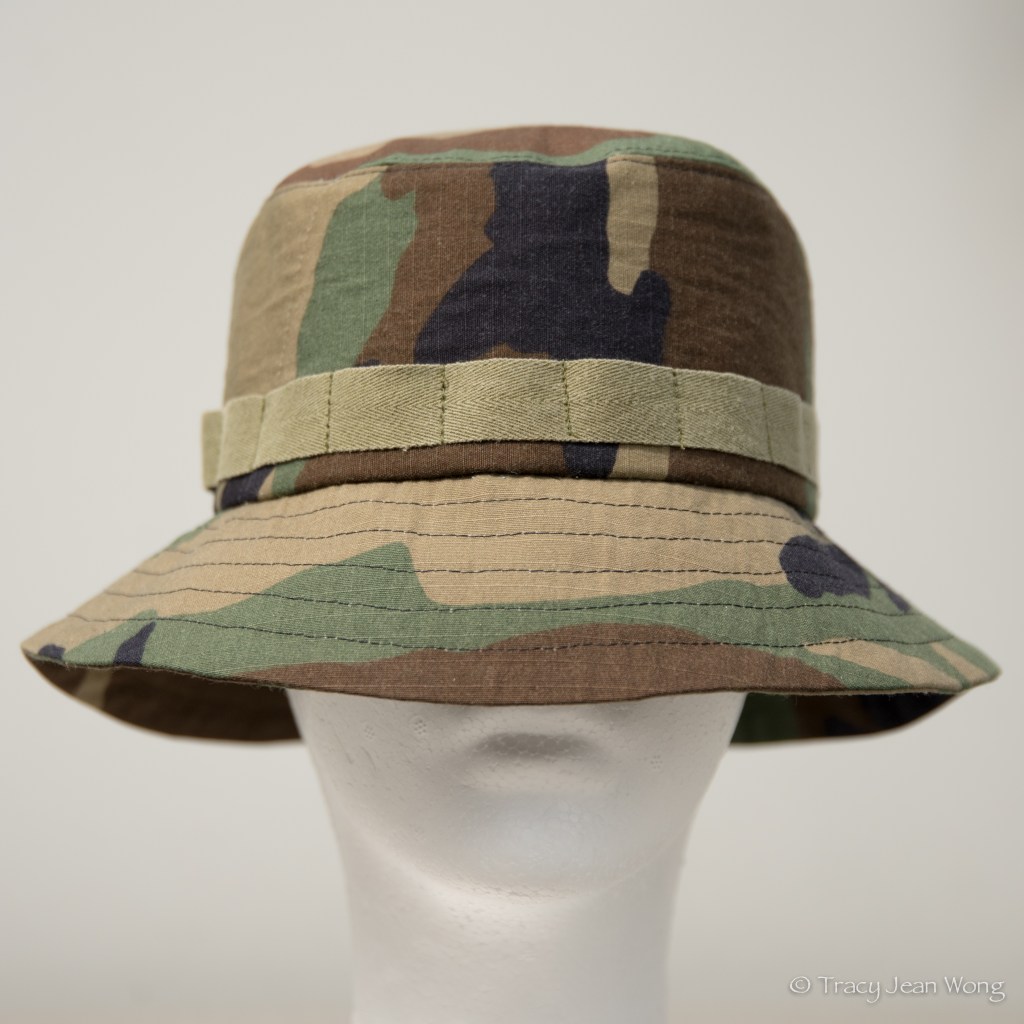
Canadian soldiers have gone to work in long-term care homes to fight novel coronavirus outbreaks. A boy fascinated by all things military has a glimpse of unlikely places troops are deployed to in peace time. This hat was made for that boy. It also gives a nod to the unique role played by the soldiers as front-line workers in a time of need.

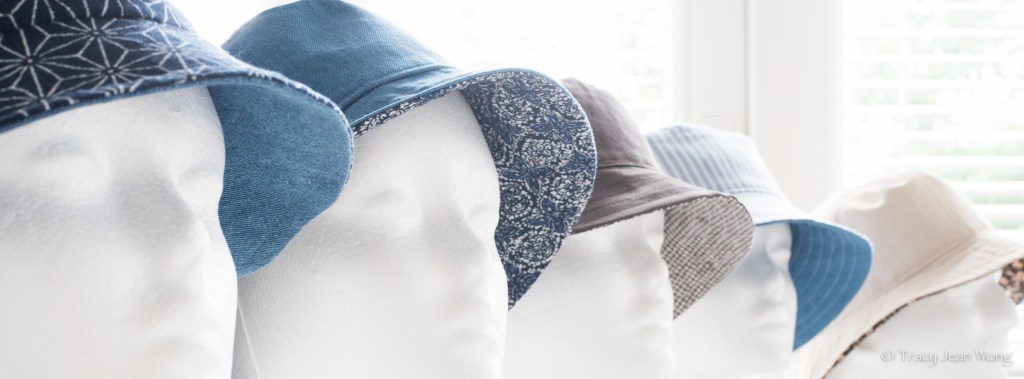
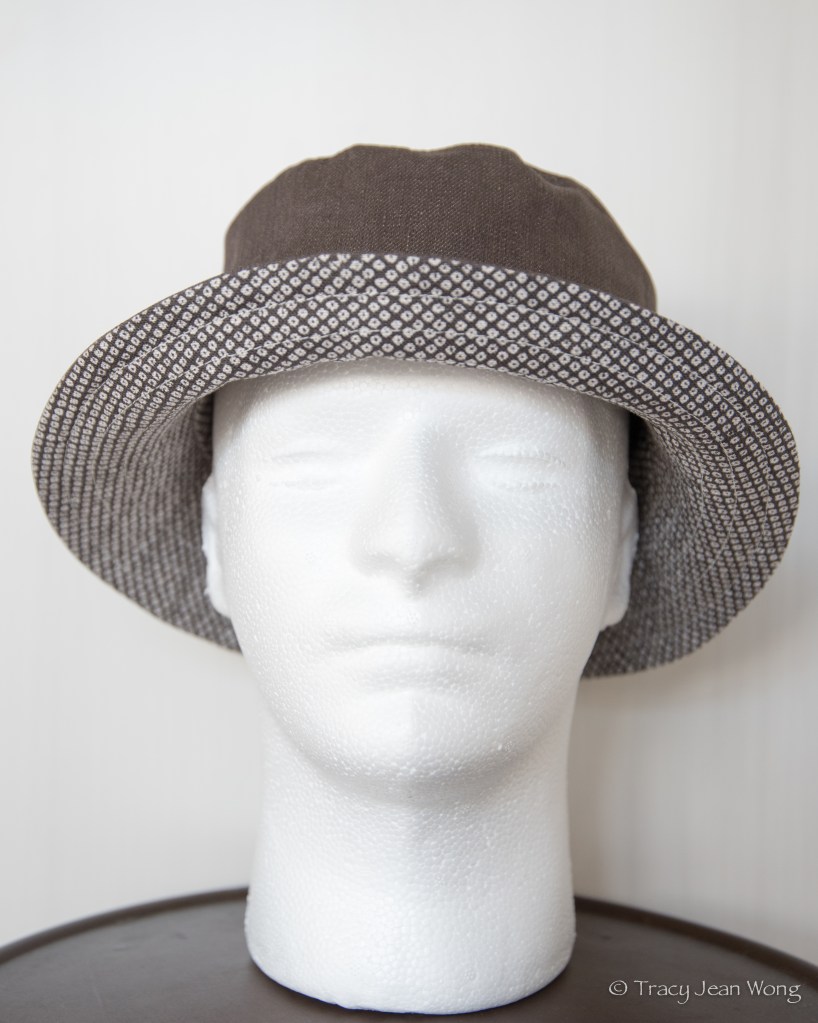
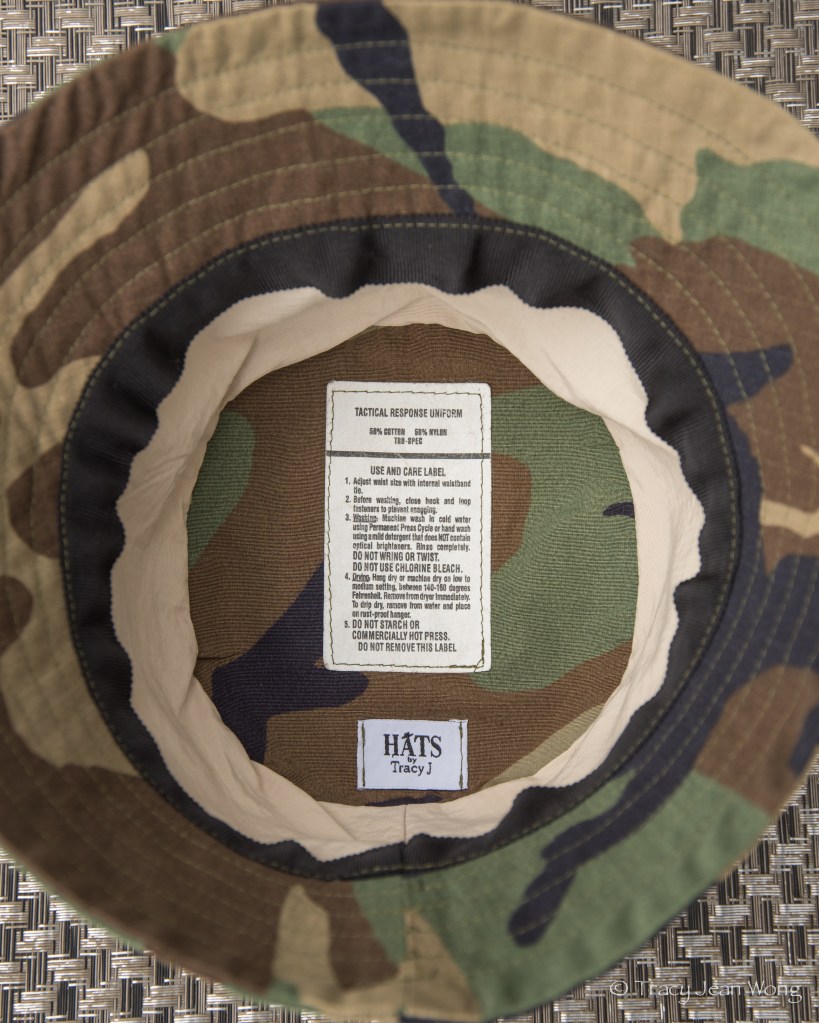
I sewed the bush hat from a pair of old camouflage pants. As I went to harvest pieces of fabric for the hat, I discovered pant pockets made of a matching light polyester material. There was also a descriptive label complete with washing instructions. Always on the lookout for creating something fun, I decided to use both to line the inner aspect of the bucket.

Cool in white cotton

You might think white is a colour for brides, Wimbledon, and not worn after Labour Day. Think again of a crisp white button-down shirt or relaxed T-shirt with jeans, an eyelet sundress, or sporty white sneakers. Wearing white keeps you cool on warm days, looks fresh, and pops other colours.

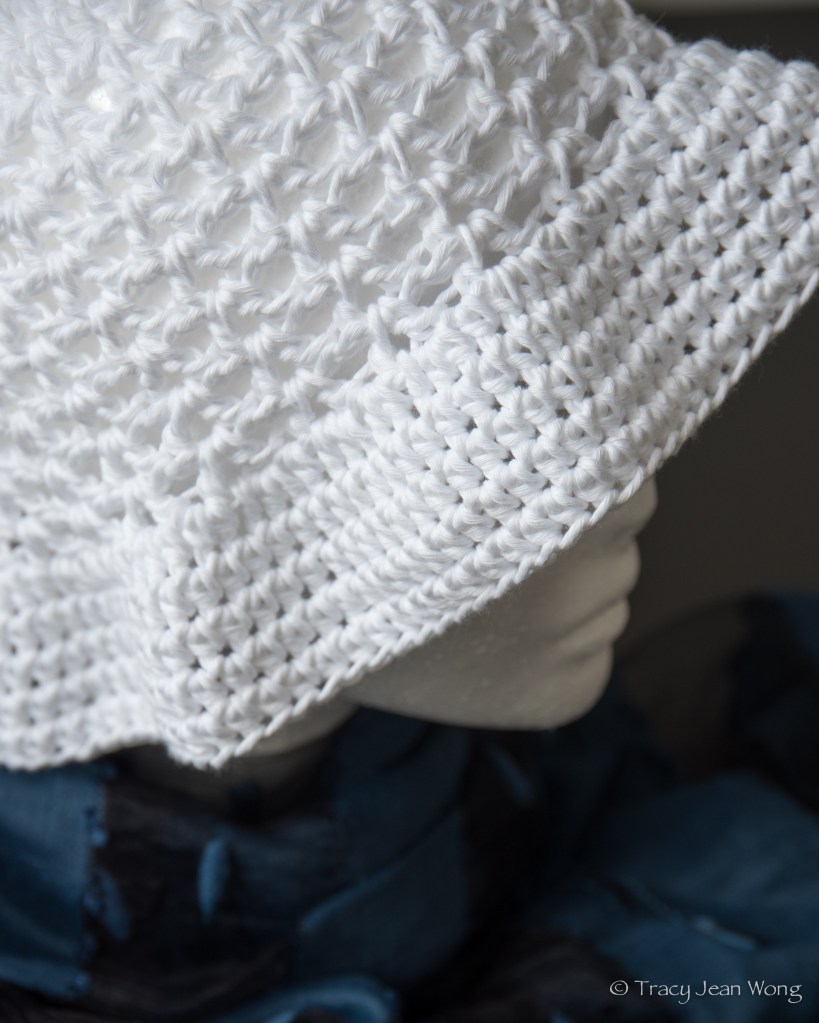
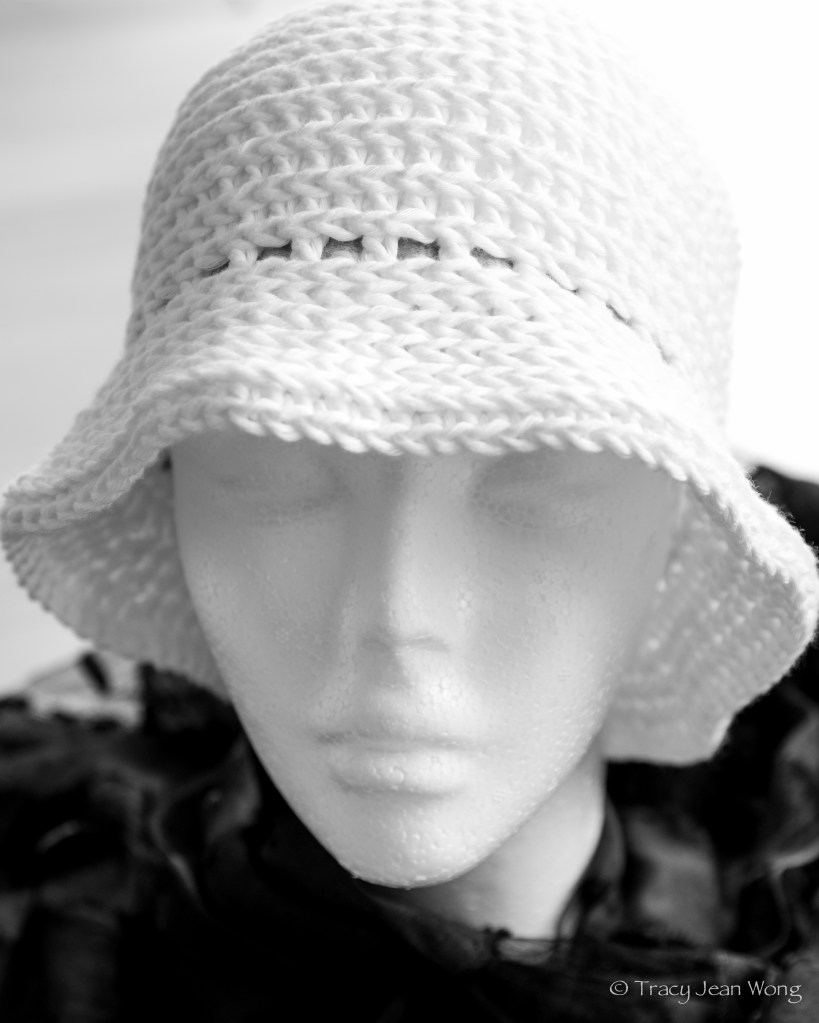
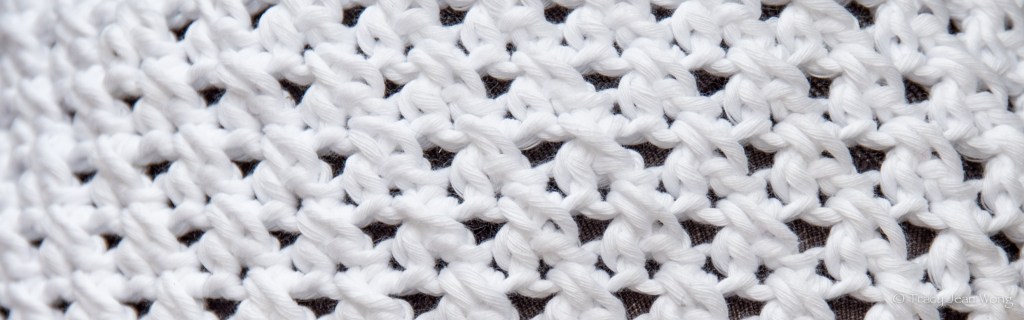
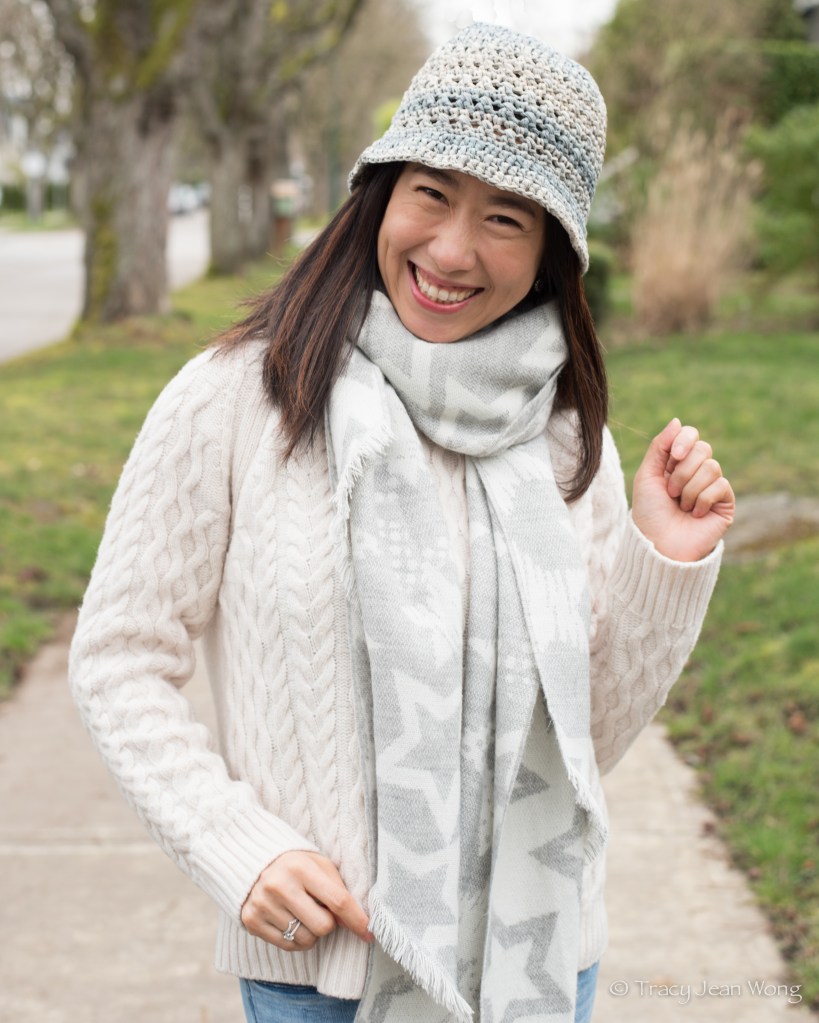
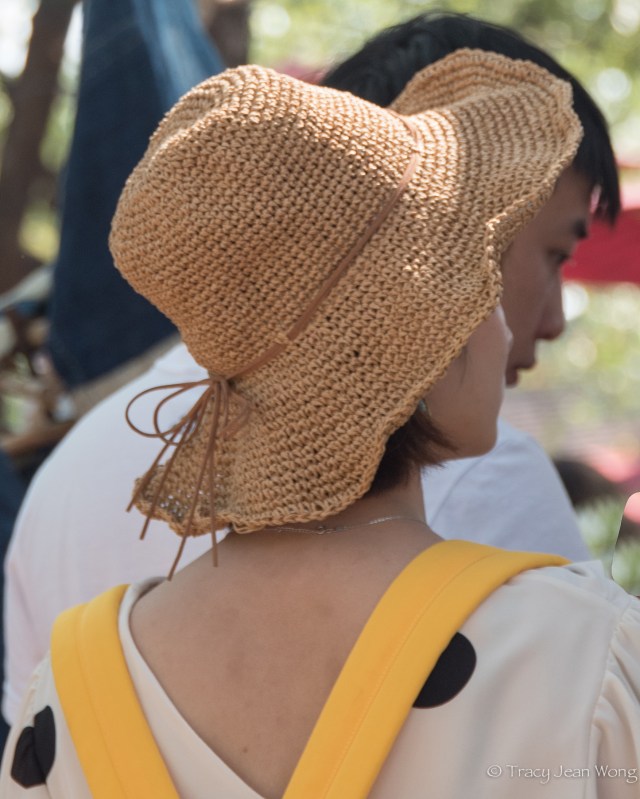
I chose a soft Pima Cotton yarn from Peru, the colour of “white noise”, to crochet summer hats. As I fingered the yarn, ideas began percolating in my mind, such as a loose weave in a repeating pattern and a brim to shade the face.

I wanted the hats to be multi-functional, easy to wear on a walk at the beach or at a get-together with friends. And I imagined my hats worn with outfits in floral prints, navy and white, or even all white.

What’s old is new again

What might you do with a beautiful but outdated wool coat?


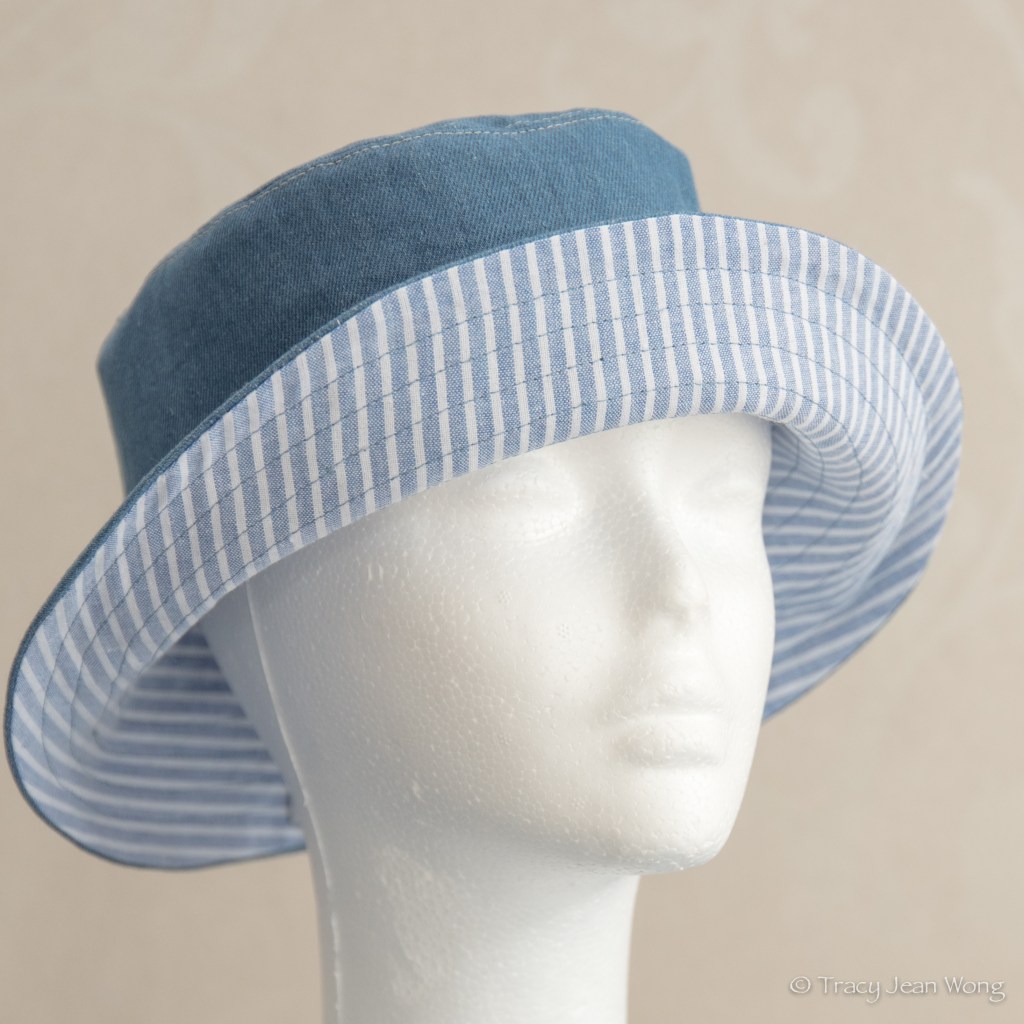
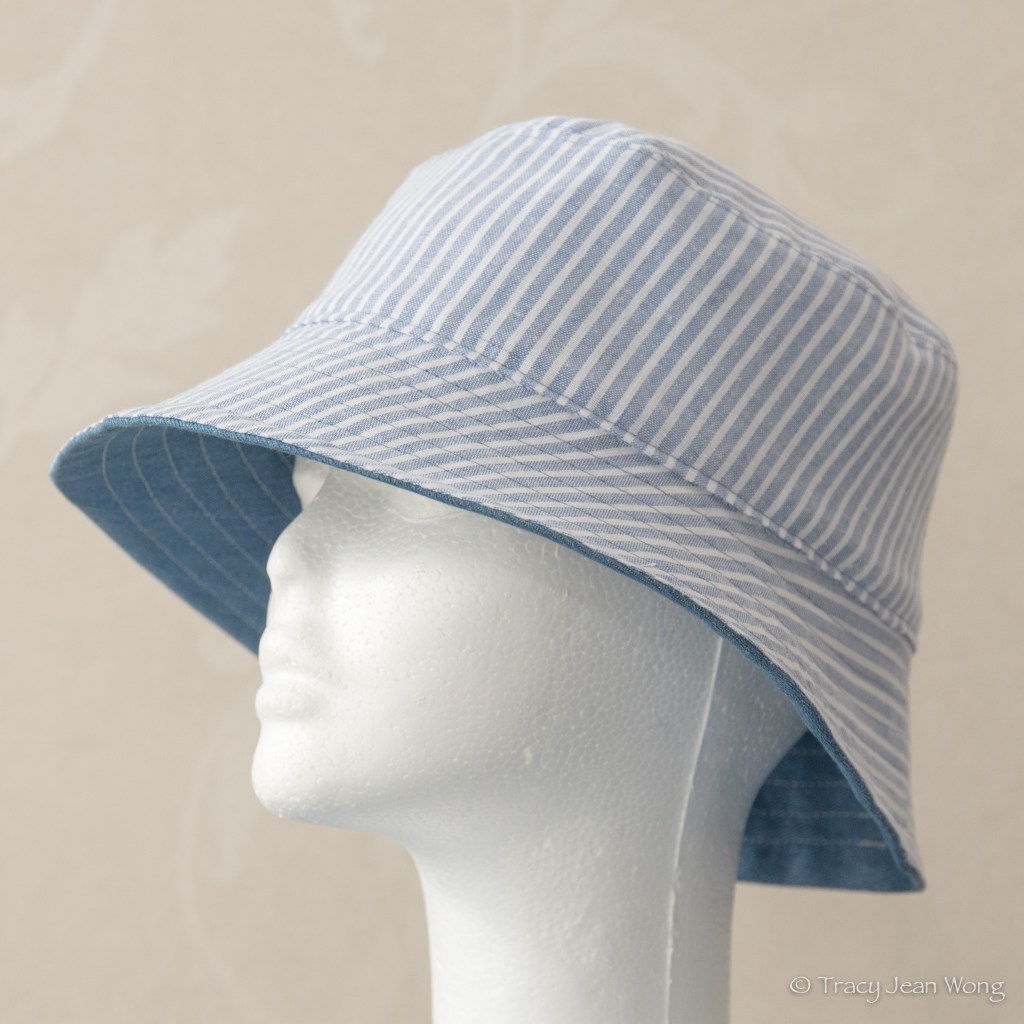
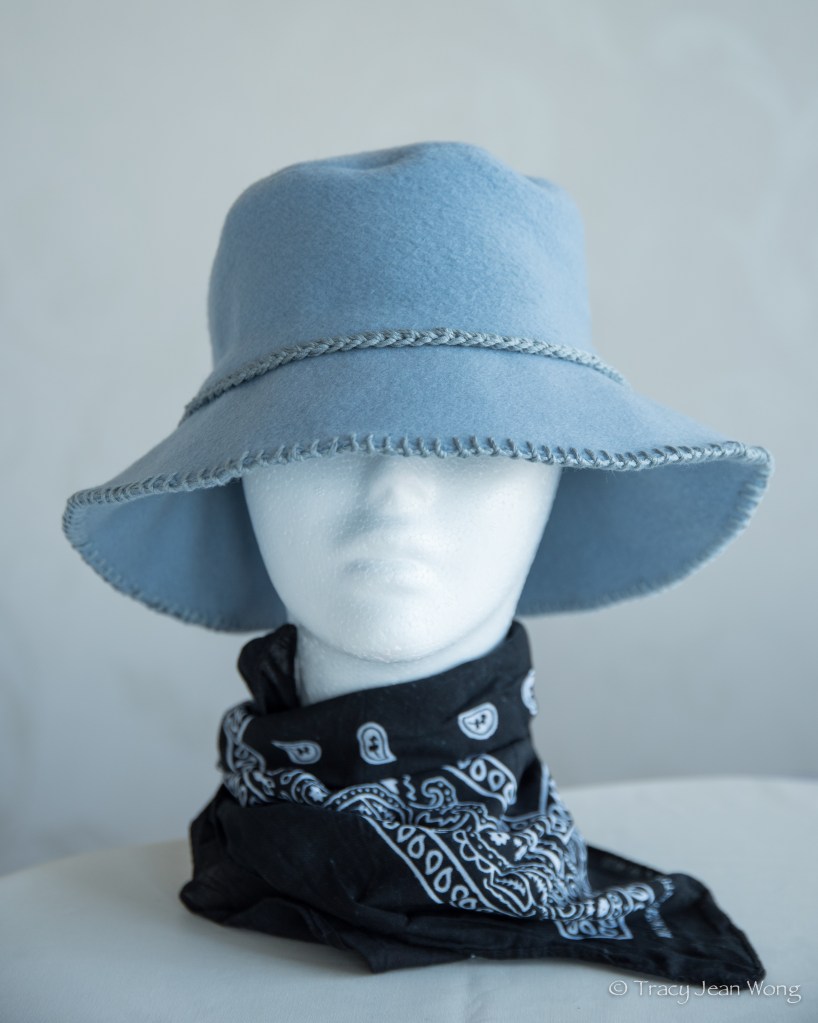
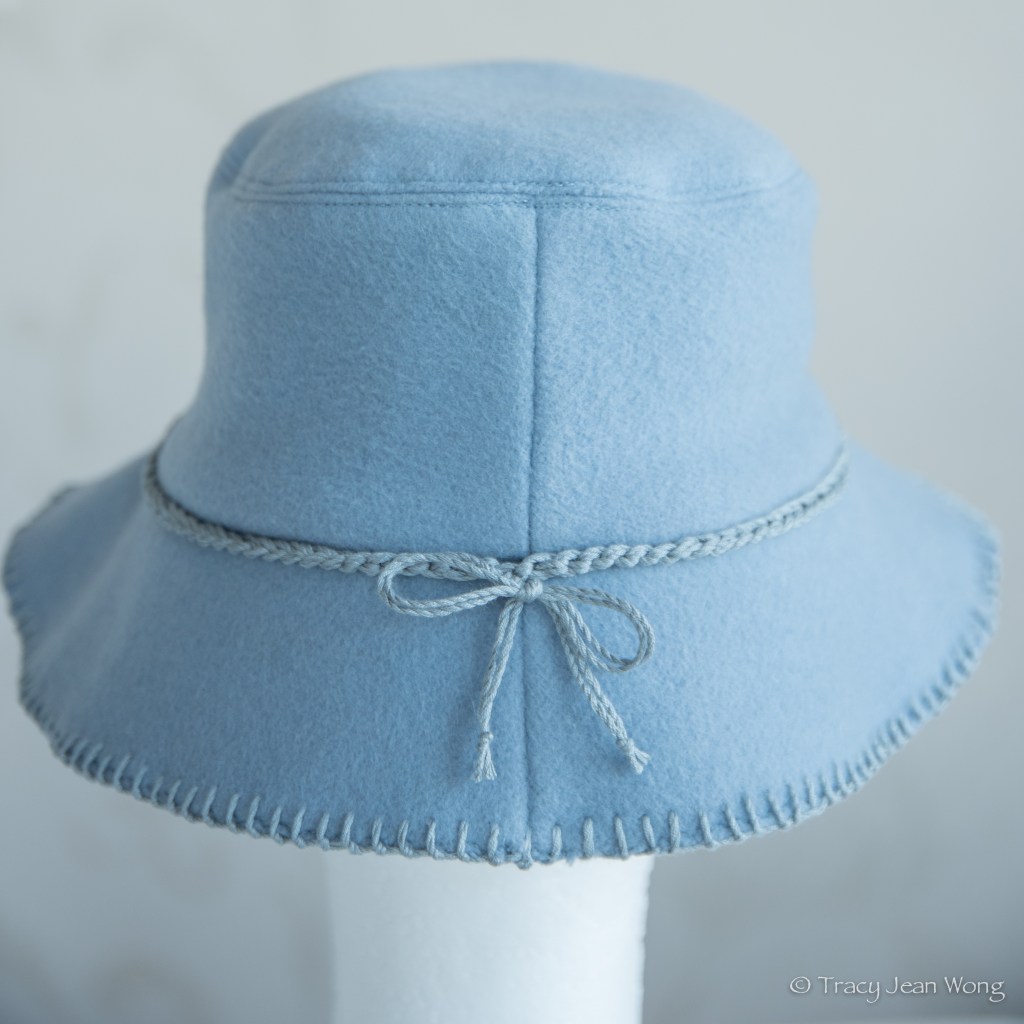
I made my friend’s coat into a hat. First I surveyed the garment for worn and moth-affected areas, then worked around these to cut pattern pieces for a hat. In my sewing cupboard I found a complementary lining fabric and interfacing to construct a basic bucket hat.

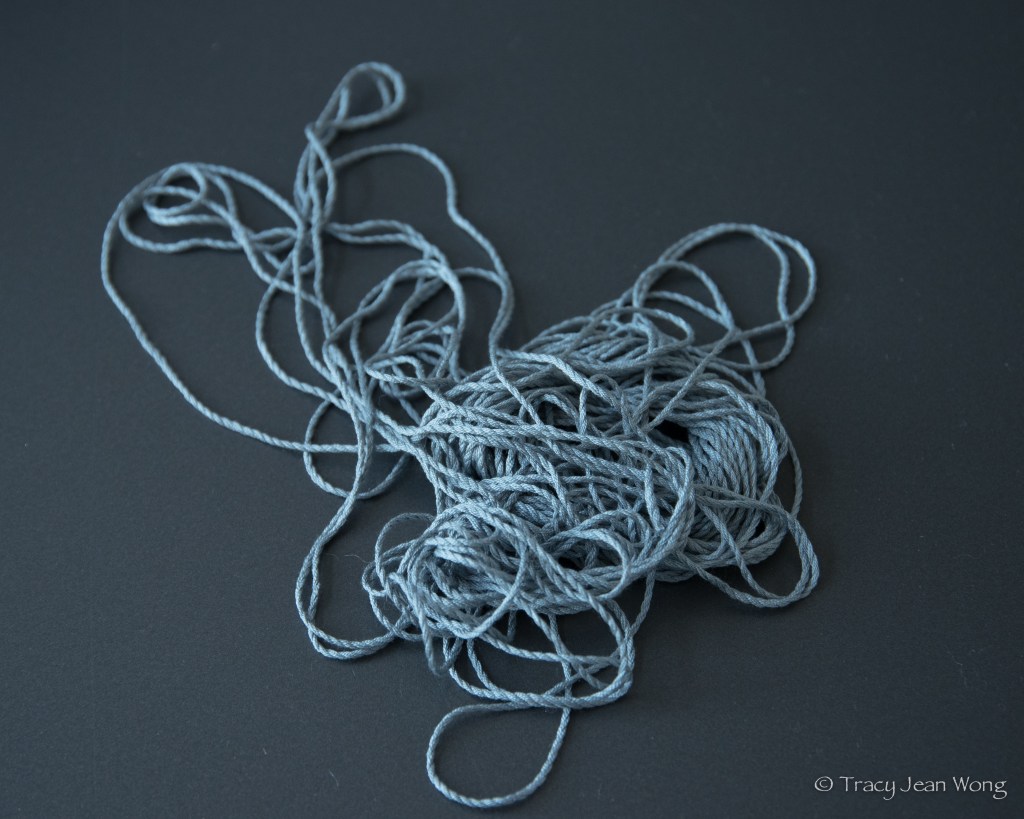
The old coat had been trimmed with overcast stitching. I used a blanket stitch to hand embroider and embellish the brim of the hat and I finished the crown with a crocheted chain made from the same silk yarn.

Exploration in Colour Blocking

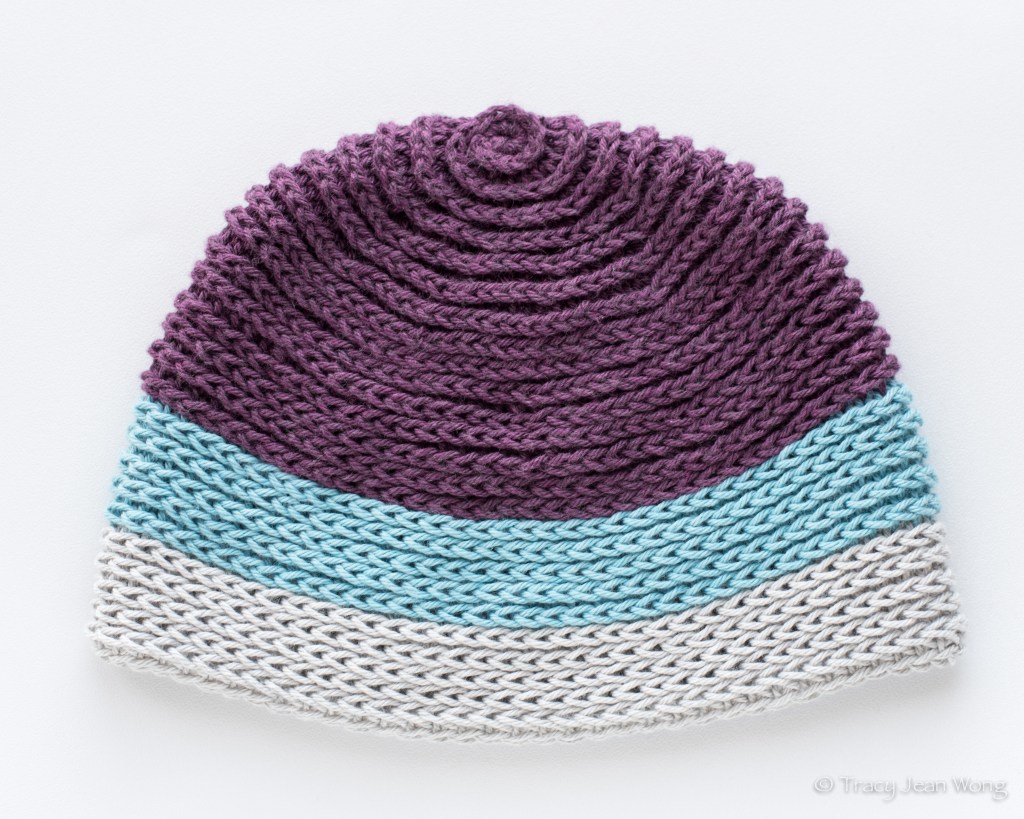
I’ve been exploring colour blocking to welcome spring and bring a bit of brightness into this extraordinary time of social distancing, quarantine, and isolation. 

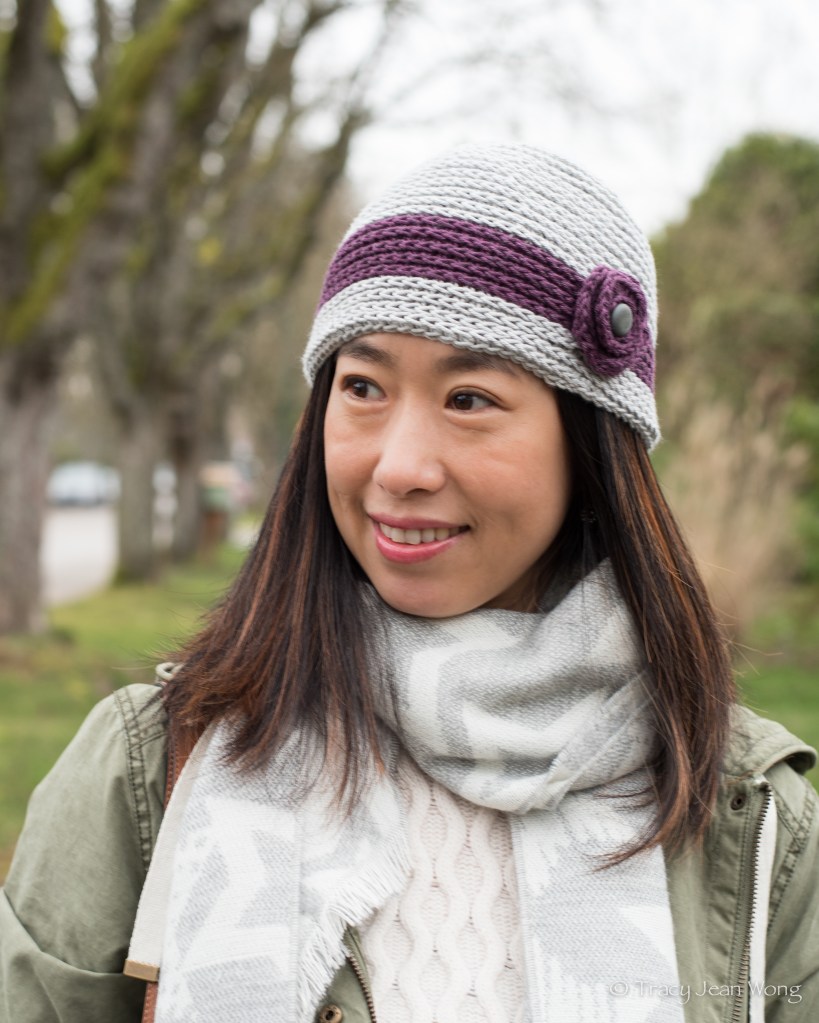
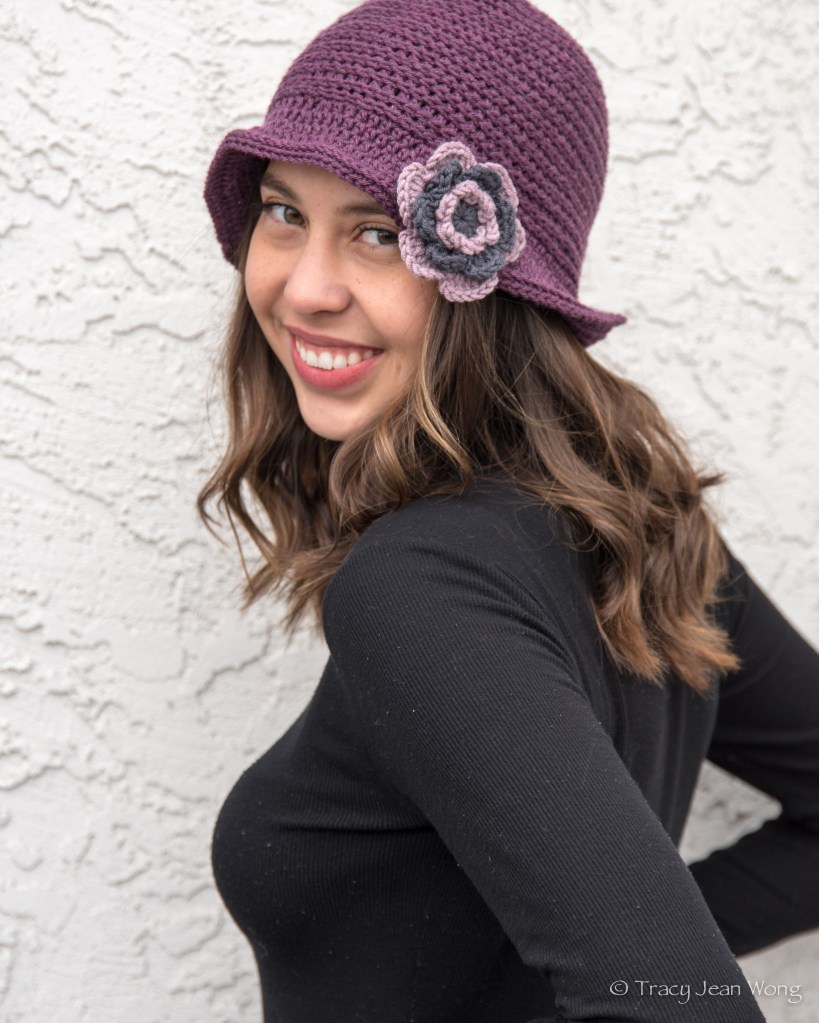
Colour blocking involves combining two or more solid colours in an outfit or a garment, in my case, a hat. When combined well, the result is aesthetically balanced and simple. Often the colours are bold. They might be complementary colours, that is opposites on the colour wheel. Or, they might be analogous, next to each other on the colour wheel. Alternatively, different hues of the same colour can be used to colour block. A neutral colour can support and complete the look. 

Colour blocking is also seen in paintings, Pop Art (think Andy Warhol), 60s mod fashion, and interior design.

Spring Hats

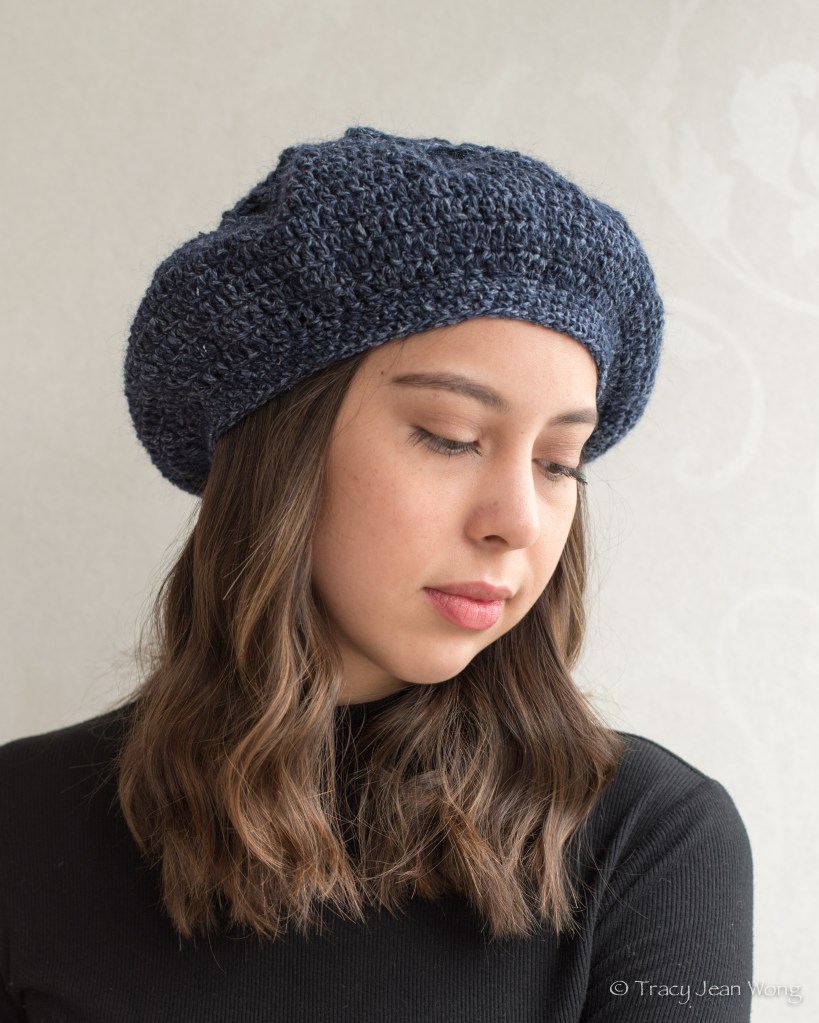
I’ve been working on a collection of hats for spring. Inspiration has come from my childhood memories of learning to crochet lace doilies. Then, the yarn was white or ecru cotton and the starched doilies adorned mahogany dining tables. Nowadays, the fibres I am using are soft and luxurious and the finished hats are comfortable and easy to wear.

Romantic Shell Cloche (Hats by Tracy J design): 100% Silk

Indigo

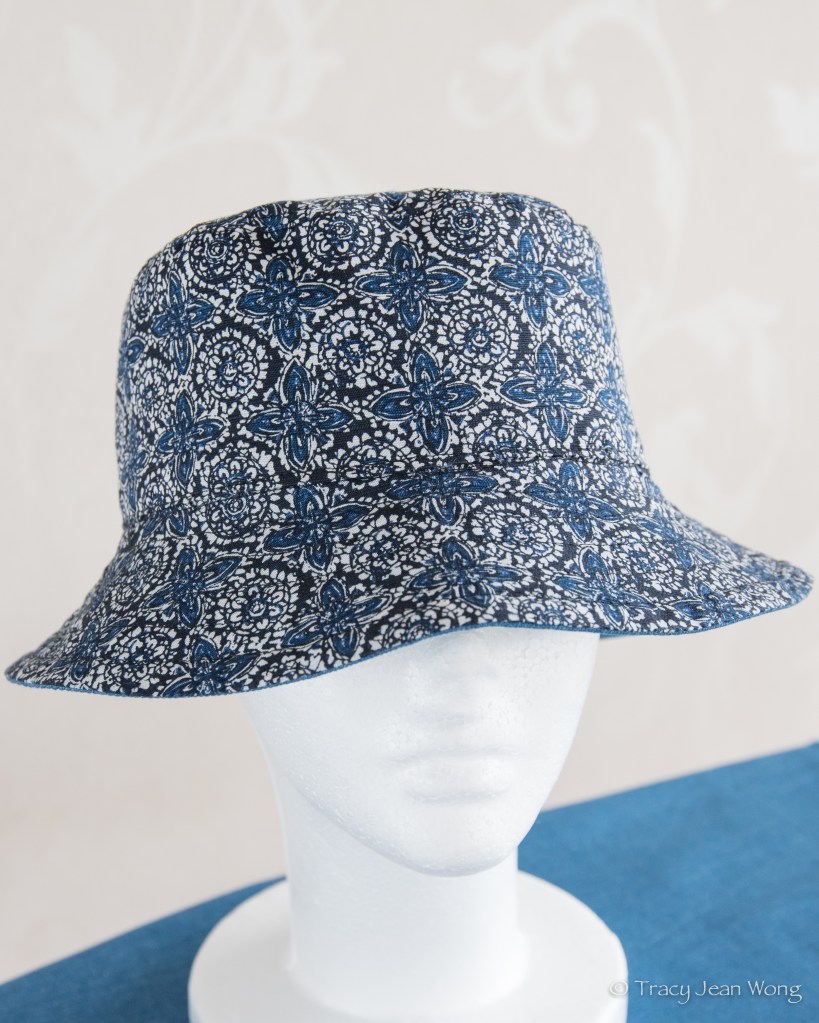
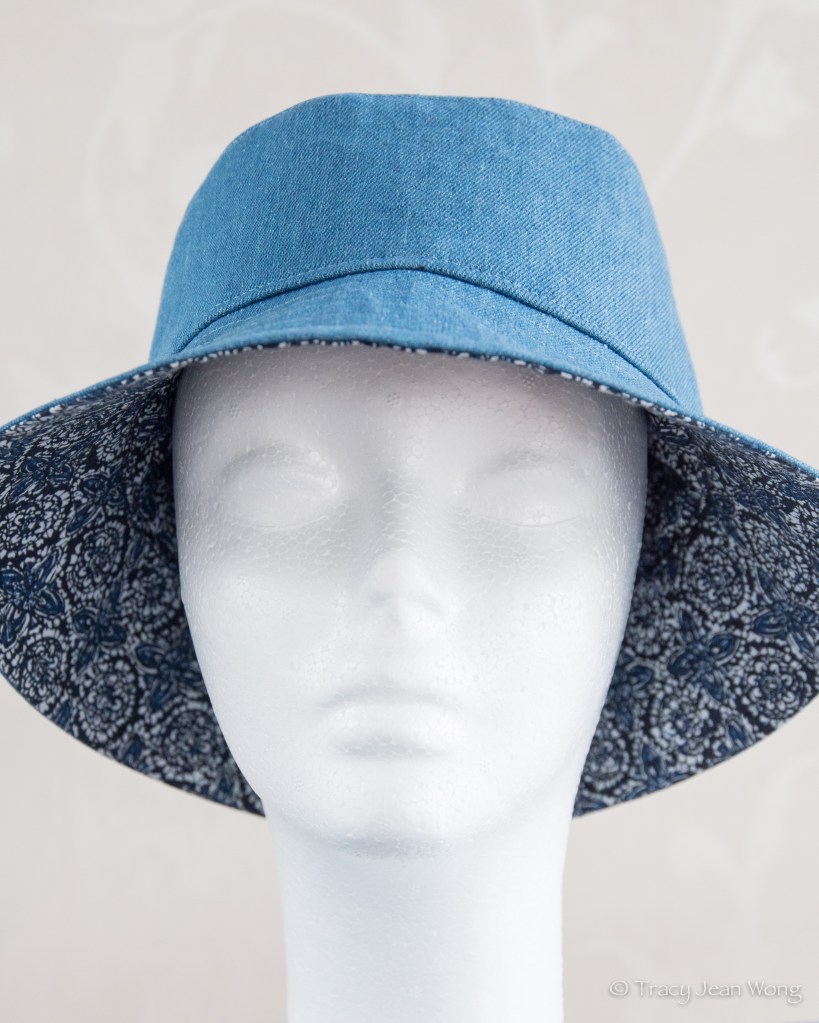
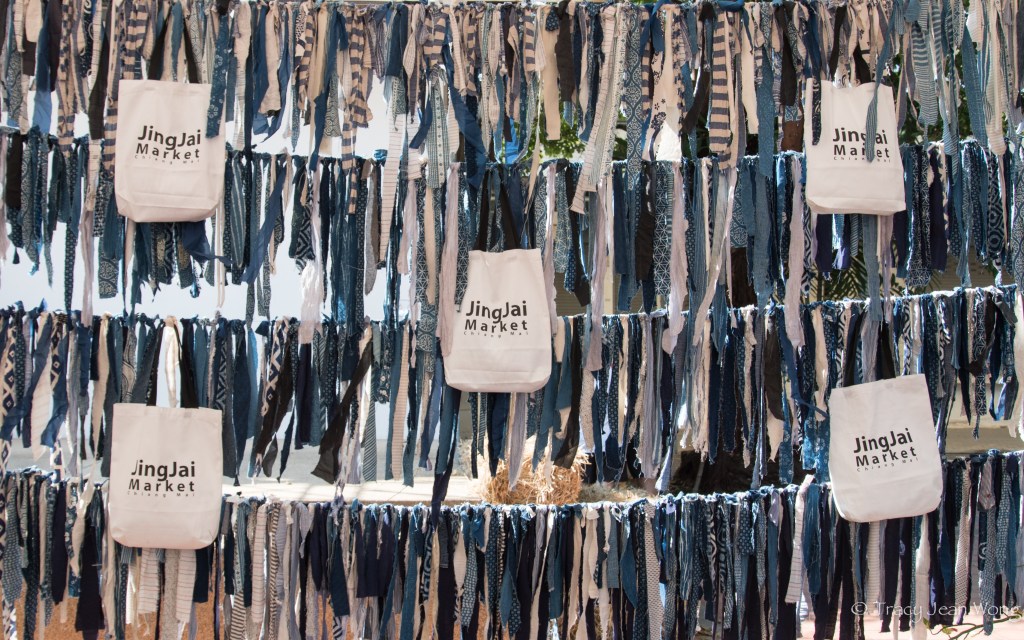
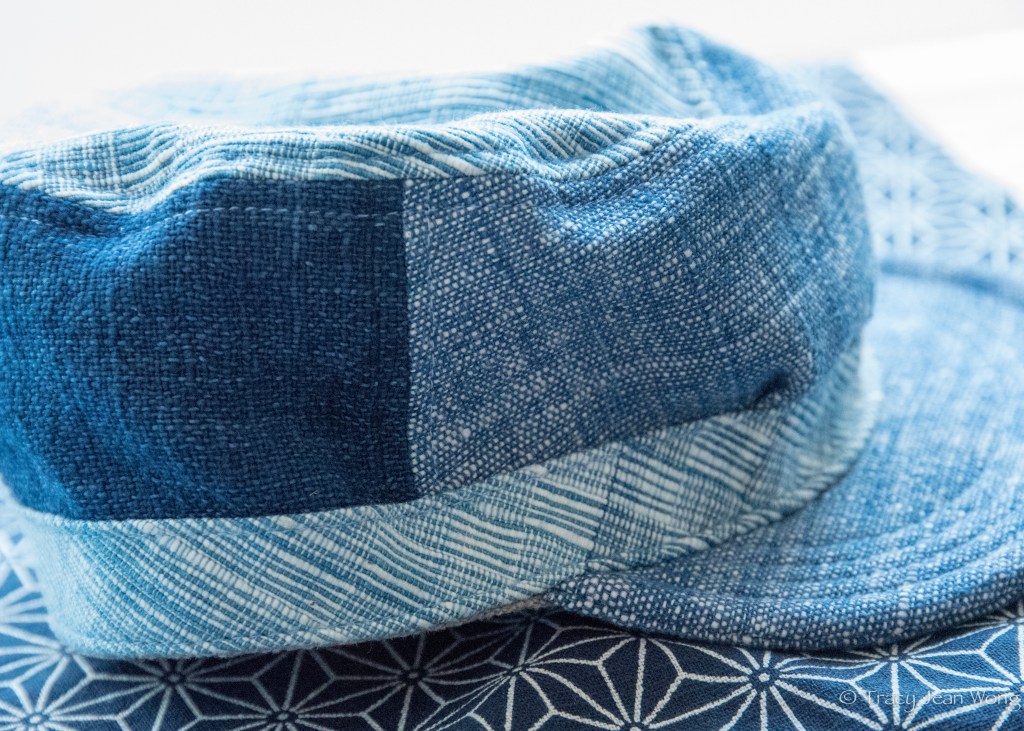
Midnight blue, cosmic cobalt, deep violet…just a few of the many shades of indigo I saw at the Jing Jai Market in Chiang Mai. Artisans of Walk on the Wild Side explained that tribes people in rural Thai villages produce much of the fibre and fabric used in their handcrafted apparel and they use natural pigments used in the dyeing process.

For thousands of years, materials such as cochineal bugs, yarrow flowers, and tea leaves have been used as dyes. In the case of indigo, many plants contain the indigo dye molecule, but successful extraction of the pigment is limited to only a few. Indigofera tinctorial grows in hot, humid climates and is the most common commercial source. In the mid-1800s, development of synthetic dyes changed the textile industry, largely replacing the labour-intensive practice of natural dyeing.

Different methods have been developed to dye plant fibres, animal hair and fur, and filaments spun from silkworms. Dyeing methods are also nuanced to produce indigo variations. Multiple dips in indigo vats intensify colour. Over dyeing a base colour such as yellow with indigo can produce an emerald hue. Surface designs can be created when dye is used as paint or dyeing is resisted as in tie dyeing.

In Search of the Silk Road

Beautiful Thai silk fabric comes from the cultivated silk worm. A single thread is produced by reeling multiple delicate filaments from the cocoon. The yellow threads of the Thai species are cleaned, bleached, and dyed before being woven into 1-ply, 2-ply, or 4-ply fabric. The silk can then be sewn into lightweight to suit-weight garments and home decor items.

Thai silk worm caterpillars munch on mulberry leaves.
The silk worm caterpillar secretes silky filaments to make its cocoon for the larval stage.
The reeling process

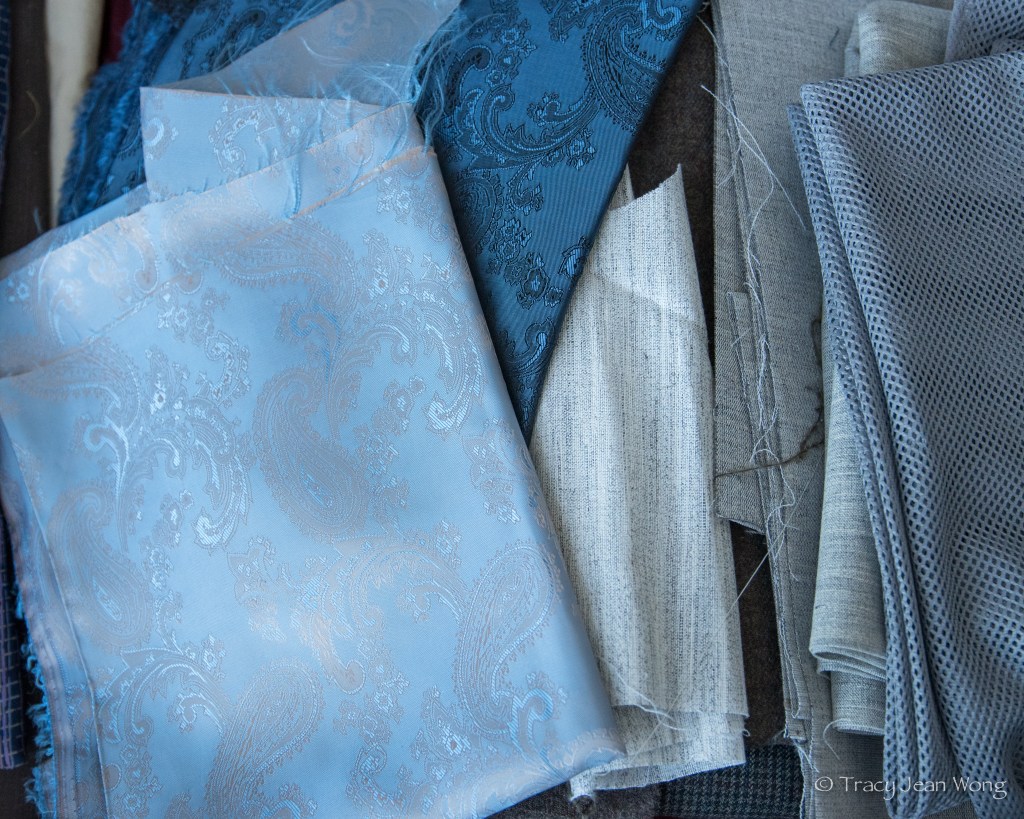
Recently I visited Thai Silk Village in Chiang Mai searching for silk fabric. Not only did I find bolts of solid-coloured and print textiles, but also available were clothing and accessories, including many, many scarves. I am left wondering about the possibility of creating a lighter silk head scarf or a heavier weight bucket hat.

Can Baby Wear Merino?

I displayed a baby cloche crocheted with merino wool on my craft fair table. A woman stopped by and exclaimed that babies should never have wool next to their skin. Truth or myth?

Soft and fine, merino wool is natural and wearing it helps regulate temperature. A natural crimp in the fibre insulates and keeps warmth in. It is breathable, allowing moisture to move from the surface of the skin and escape. It keeps you warm in winter and cool in summer. Merino is comfortable for babies, children, and adults. On top of all that, it is machine washable.

You might wonder why it doesn’t itch. High quality merino wool has fibres of very small diameter that bend as you move and do not scratch. Grades of fine, extra fine, superfine, and ultra fine (fibre diameters <17.5-20.5 microns) are especially silky.
Toddler hat, 85% Extra Fine Merino, 15% Cashmere
“Arwen”, Drops Design

Next time you are out shopping, have a look at and feel clothing and accessories made from merino wool or merino wool blends. You will find an array of T-shirts, sweaters, base layers, socks, scarves, and headwear.

Baa humbug…Merino or Cashmere?

Tenth & Proper, “Meet the Maker” event, December 5, 2019

It’s holiday time and winter begs you to wrap yourself and your loved ones in warmth and luxury. The choices are many, but you might ask, “Merino or cashmere? And what is the difference?”

Merino wool comes from a domesticated strain of sheep, the Merino, which must be sheared in order to survive. If not sheared, the wool continues to grow and may cause health issues, including overheating and difficulty moving. Spain was the first country to breed this sheep and take economic advantage of its soft, fine wool. Before the 18th Century, Spain had a monopoly on merino and decreed export of this sheep a crime punishable by death. Much of modern merino wool now comes from Australia and New Zealand.

Cashmere comes from the winter undercoat of a goat found living on cold arid Asian plains. The finest fibres of cashmere are found in the fleece next to the goat’s body under its coarse outer coat. When the weather warms, the goats naturally shed their coats. At this time, cashmere can be collected by hand-combing or shearing. Separating out and cleaning the fine fibres of the fleece yield the beginnings of silky luxurious cashmere yarns and fabrics. It can require the hair of three goats to make one sweater.

Unfortunately, with cashmere now so much in favour, some goats have been sheared in mid-winter, stripping them of their warm coats and causing them to freeze to death. As well, herders raising larger number of goats to keep up with demand translates into loss of grassland habitats. Goats “browse” rather than graze, choosing to eat weeds, bushes, leaves, and tree bark, turning grasslands into deserts.

My conclusions: Make your holiday purchases thoughtfully. Keep warm. Find and wear your dad’s old sweater.