Pima Cotton: Cream of the Crop

Pima cotton is a premium cotton, also known as Extra Long Staple (ELS) cotton. Its longer fibres (1-3/8 inch) give a soft hand, durability, and resistance to pilling. Conventional cottons, which make up the bulk of cottons on the market, have fibre lengths of 1/2 inch to 3/4 inch. The name “Pima” honours the Pima Indians of Arizona who helped cultivate new varieties of “American-Egyptian” ELS cotton for the U.S. Department of Agriculture in the early 1900s.

Pima cotton is grown in Peru, Australia, and the United States. Peruvian Pima is hand harvested, an environmentally-friendly practice. An ultra-soft cotton devoid of scratchiness results, since there are no fibre tears from industrial harvesting. This is desirable for those with sensitive skin.

Lipstick red hats are made from 100% Peruvian Pima cotton

In 1844, John Mercer devised a chemical technique to improve strength and uptake of dye into cotton yarns. Mercerized or pearl cottons have more saturated hues, a lustrous sheen, and smoothness. Unmercerized cottons are spun and just left alone. These minimally processed yarns have a matte finish.

Stitches are defined and the matte finish is soft in this hat made of unmercerized Pima cotton from Peru

Slow Fashion

We live in a keep up, hurry up, and need for instant gratification society. Fast food, fast photography, fast fashion.

Let’s order take-out food on the way home from work. Maybe there will be time to shop on the weekend for local ingredients and prepare a traditional meal for the family. No cell phones allowed at the dinner table. You can check your messages later, but let’s get a selfie snapshot of the family before we sit down to eat.

Likewise, fast fashion moves in lightning bolt speed, from the runway to production to the consumer to the landfill. Often fabrics are synthetic, working conditions in factories unethical, and styles trendy and quickly outdated. In contrast, slow fashion concerns itself more with garments that can last a lifetime rather than a season. It considers human and environmental impacts. Human impacts include decent working conditions, fair wages, and no child labour. Environment impacts include use of organic and recycled/upcycled materials and limiting use of harmful chemicals, water, and energy.  

Slow living is an intentional choice. If you are interested, some ways to join the slow fashion movement are to shop and buy less, buy higher quality and timeless design, and look for local products. Start a DIY project. Think along the lines of vintage or secondhand clothing, donating to charity, and clothing swaps. Love what you own and do what you can to promote sustainable fashion.

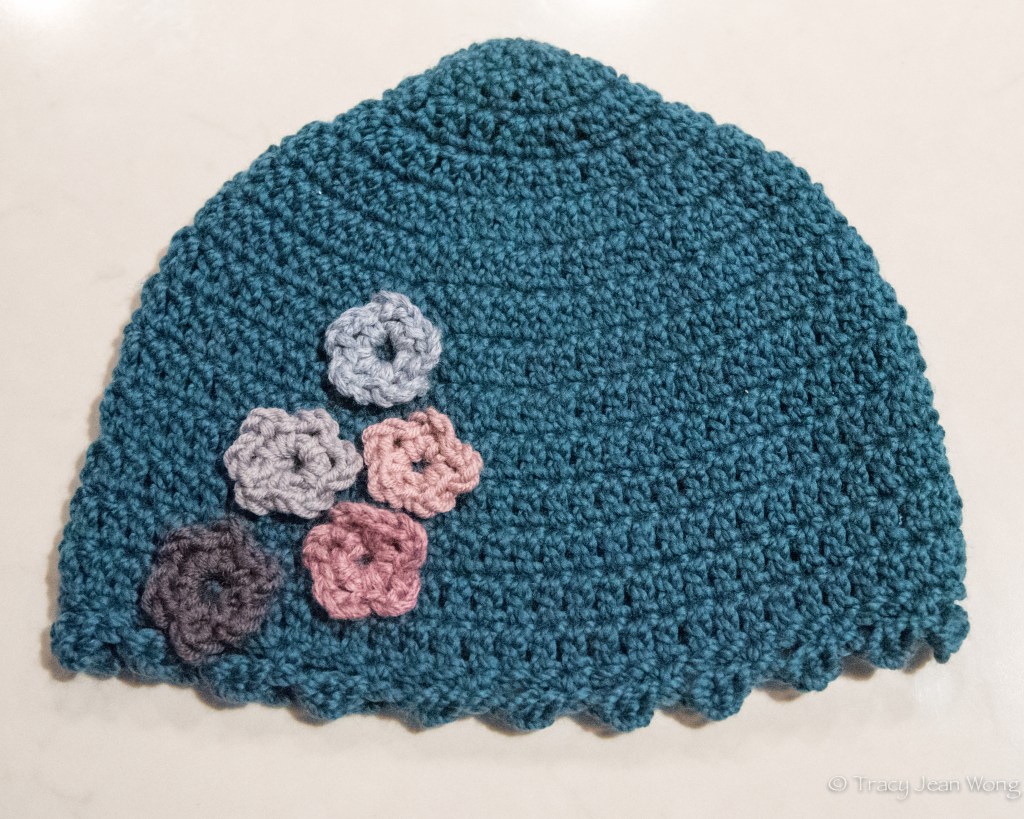
This crocheted slouch hat was hand crafted with yarn sourced locally.

West Vancouver Community Centre Fall Artisan Market

Start your holiday shopping with gifts that are unique, locally made and handcrafted.

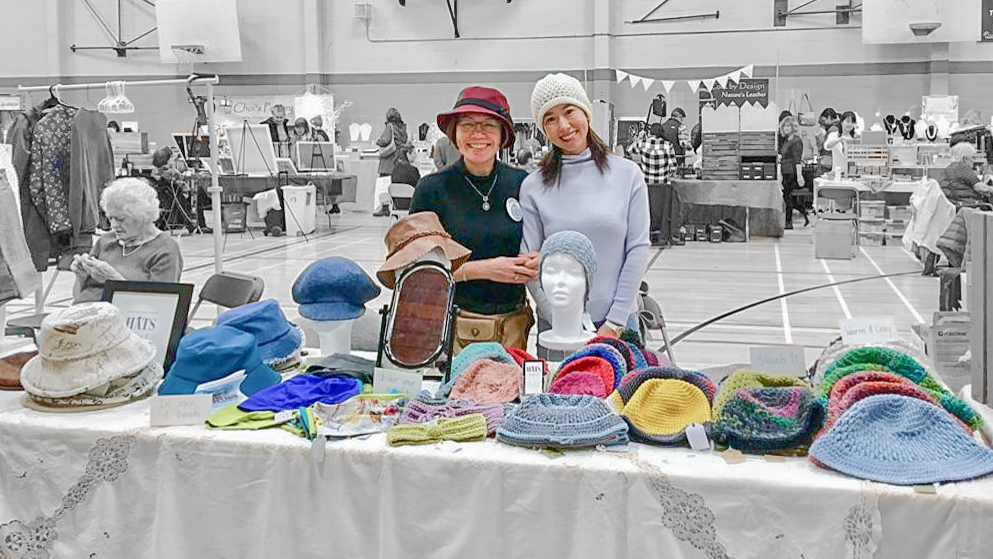
West Vancouver Community Centre, 2121 Marine Drive, is having its annual Fall Artisan Market next weekend. I will be there on Sunday, November 3rd, 2019 from 10 AM-4 PM. Please drop by to meet me at my first market event and check out my collection of handcrafted hats and headwear.

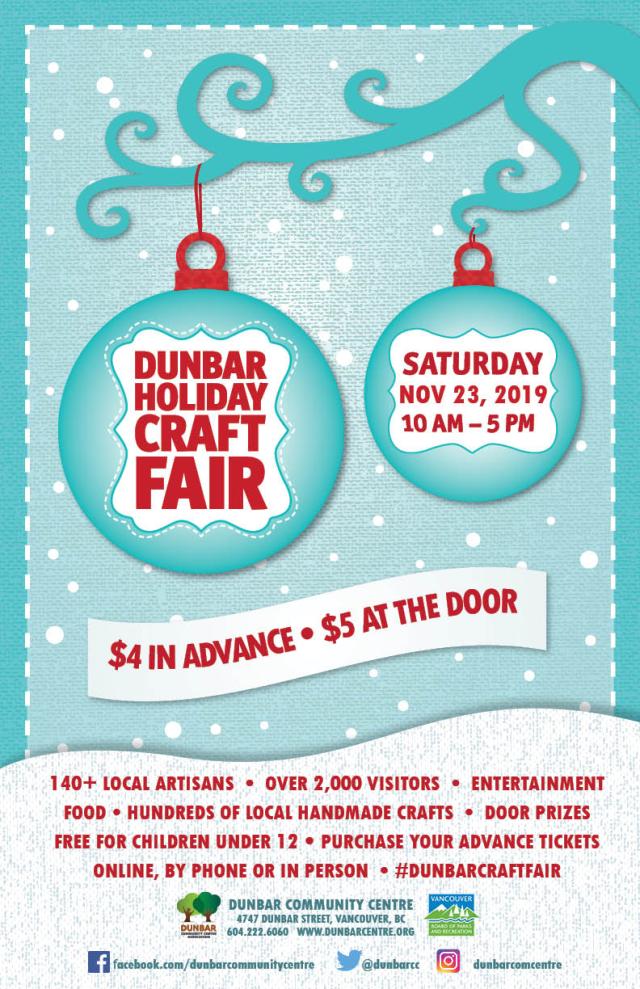
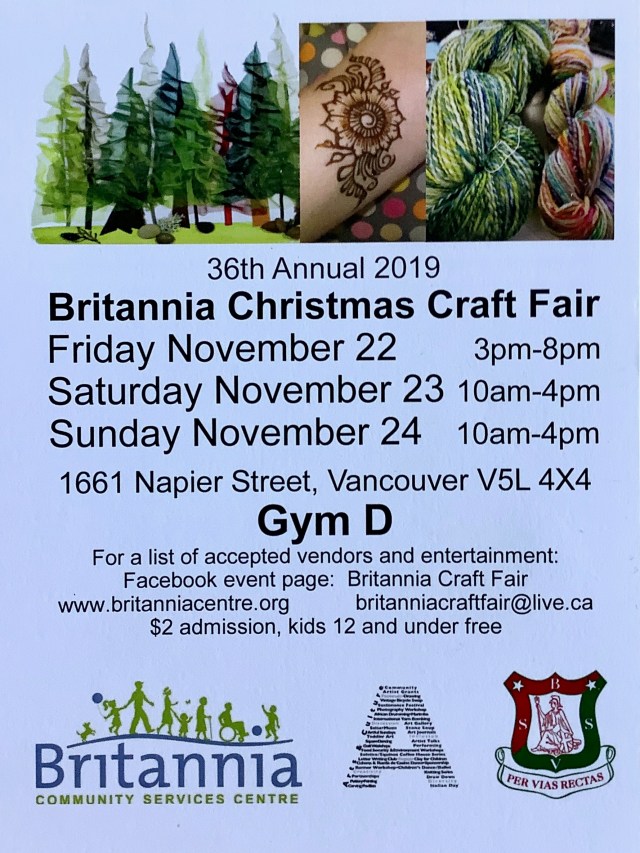
P.S. I will also be participating in Vancouver craft markets at Dunbar (November 23rd) and Britannia Community Centres (November 22nd and 24th). Stay tuned!

Let’s get physical

Tennis rivals Bjorn Borg and John McEnroe battled it out at Wimbledon in 1980. Each of the athletes donned a headband, to keep their long hair under control and sweat out of their eyes. Borg’s was striped and McEnroe’s was red. Their tennis games and styles were iconic.

Many of today’s active wear fabrics have 4-way stretch and demonstrate good recovery, wick and dry quickly, and are antibacterial. Stretch bamboo rayon jersey knit is one of these and has additional characteristics of softness and flowing drape. The textile is made from the pulp of bamboo grass. Bamboo grows quickly, requires no irrigation, fertilizer or pesticides, and regrows from its roots.

I found stretch bamboo rayon jersey knit and bamboo terry at a local fabric store. Using both fabrics, I sewed headbands (10 cm wide) and slouch beanies for outdoor activities. Consider wearing a headband under a bike helmet to keep your ears warm or a beanie to hike the Grouse Grind. As the headband-wearing Olivia Newton-John sang in her music video, let’s get physical.

Hat Anatomy

To appreciate the design of a hat, it is helpful to look at its structure and basic components. The crown of the hat sits on top of your head above the brim. The bucket hat has an additional top piece. The brim of the hat is the horizontal part that extends from the crown and offers variable amounts of shade to the face, ears, and neck. It can be turned up or down, in the front and/or the back. Many hats have a decorative headband that wraps around the crown of the hat Grosgrain, leather, or a braided material make attractive headbands. The image illustrates a bias cut, self-fabric headband.

A visor is a brim projecting from the front of a cap. Stiffness is governed by the weight of interfacing sandwiched between the fabric of the visor and its underside. Some interfacing materials are Buckram, horse hair, and plastic canvas.

Hats may have a lining, often a satin material, that protects the hat from stains and sweat. The inner band or sweatband also protects the hat from sweat and allows for a comfortable fit. Some headbands are adjustable, like the one on the left. It is common to see headbands made from Petersham ribbon, a millinery grosgrain ribbon, as in the hat on the right.

Something Old, Something New

A few interesting hat projects have emerged from upcycled materials.

A pair of vintage camouflage pants became a bush hat. The brush stroke pattern of Rhodesian camouflage was trimmed with crown loops made from twill tape of the waist tie. The hat was lined with 100% cotton and the same twill tape was used on the inside hat band which hugs the head.

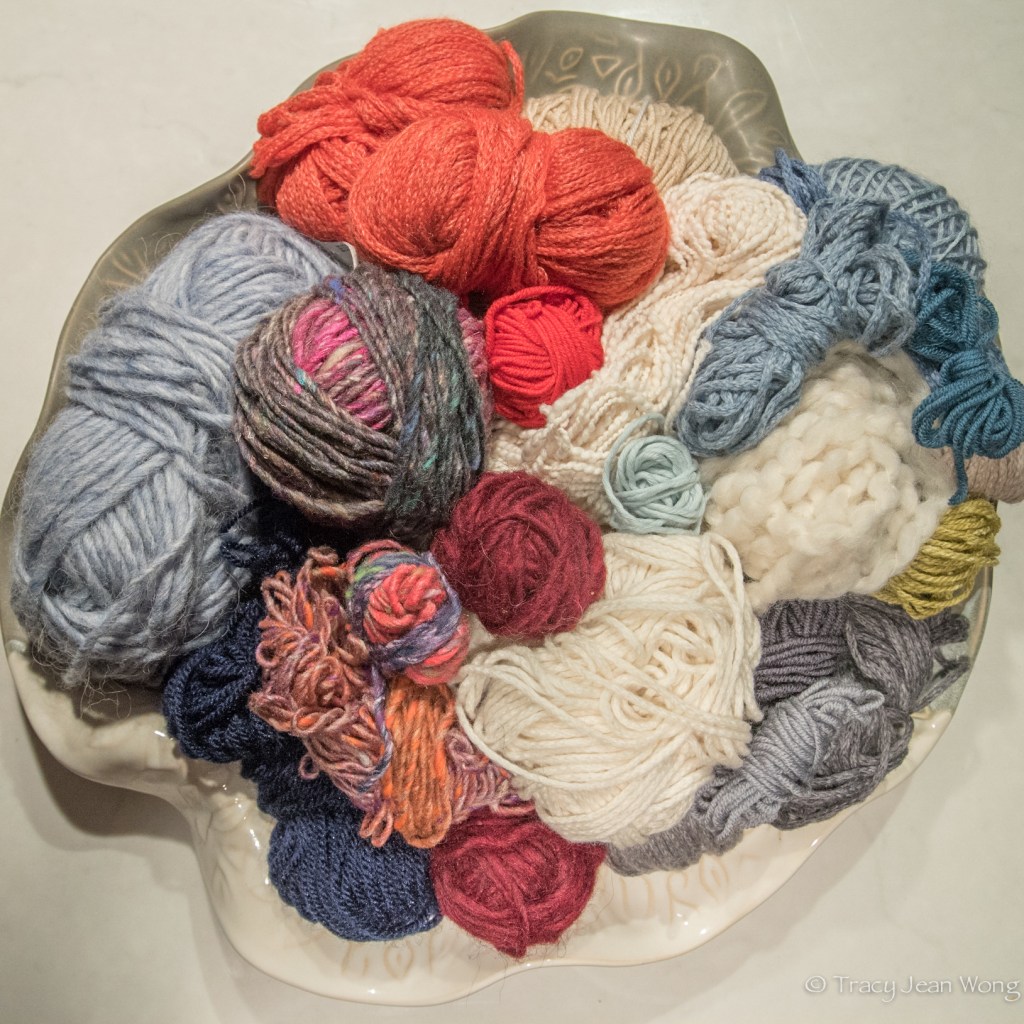
At a neighbourhood yarn shop, a ball of yarn was found with strands of upcycled denim and cotton intertwined. It was crocheted into a brimmed cloche with a brickwork design. Meanwhile, a tired leather sofa allowed experimentation with two hat variations, one a bucket hat and the other a newsboy cap.

Ubiquitous Buckets

The bucket hat is back. Take note of it topping heads on the street, in the garden, out fishing, and even on the runway,  Bucket hats are symmetrical with a flat crown shape and down-facing brim. Soft, simple, solid-coloured  fabrics like cotton, twill, and canvas have commonly been used for this style of hat, but today’s versions run the gamut from straw to faux fur, from floral prints to gingham plaids.

Most can attractively wear a bucket hat by paying attention to details that flatter the face shape. For instance, the style for a person with a long face is one with a fitted crown and wide brim. This is in contrast to someone with a round face who will more likely choose a hat with a shallow crown and wear it farther back on the head. 

Sometimes function governs the design of a bucket hat. Also known as the boonie hat or bush hat, the bucket had its place in the rainforests and jungles during the Vietnam war. Its features included a wider brim, sewn-in loops in the crown to store small pieces of gear, a chinstrap, and foldability to stuff in a pocket or sac.

Custom-making a hat with a water-resistant breathable fabric allowed this disc golf player to play in all weather. He requested a short brim so that he could hear and see well on the course.

Rain, rain…come again another day

September brings to my mind the start of school, cooler days, and Vancouver rain. Yesterday, I saw huddles of umbrellas shielding students at the 99 UBC B-line bus stop. Soon there will be rain jackets and boots, but will there be hats?

The original hats that I sewed were of water-resistant, breathable fabrics. It was not easy sourcing out such fabric for the home sewer. A trip to the Yukon yielded better results. This kind of fabric is routinely used for outerwear of dogsled mushers who want to stay dry.

Back home and armed with a few metres of fabric, I set about sewing a woman’s hat. My wish was to create something both functional and stylish. Before I attached the hat lining, I taped all the seams so rain water would not penetrate the holes created by stitching. The only spot not protected by the tape was the centre top where I had hand sewn a button. I covered the button with the same weather-resistant fabric and it was large enough to act as an umbrella over that spot.

Rain, rain…come again another day.

Inspiration

The inspiration? A friend’s well-worn garden hat? The ripple of a child’s hat brim? The patina of a leather sofa?

Sewing hats began for me with a Vogue pattern and Italian menswear wool. I have always loved working with fine materials. My reasoning went along the lines of, “Why put in the effort unless you have high quality luxurious fabric in your hands?”

Imagine my surprise in the gift of leather from a discarded sofa. Some of the leather was ripped or dull and worn, but most was supple and a rich cognac colour. I felt that the simple lines and easy seams of a bucket hat would be a do-able first leather project. Experimentation on my Bernina sewing machine with a needle designed for denim jeans resulted in the basic hat. Finishing touches came after much contemplation, a trip to a leather workshop, and internet research. I used a chisel and waxed linen thread in a contrasting colour to overcast the brim. An online video informed the braid that embellishes the crown.

I enjoyed the challenge of creating my first leather hat and transforming something old to new. I have named this hat Woodstock.