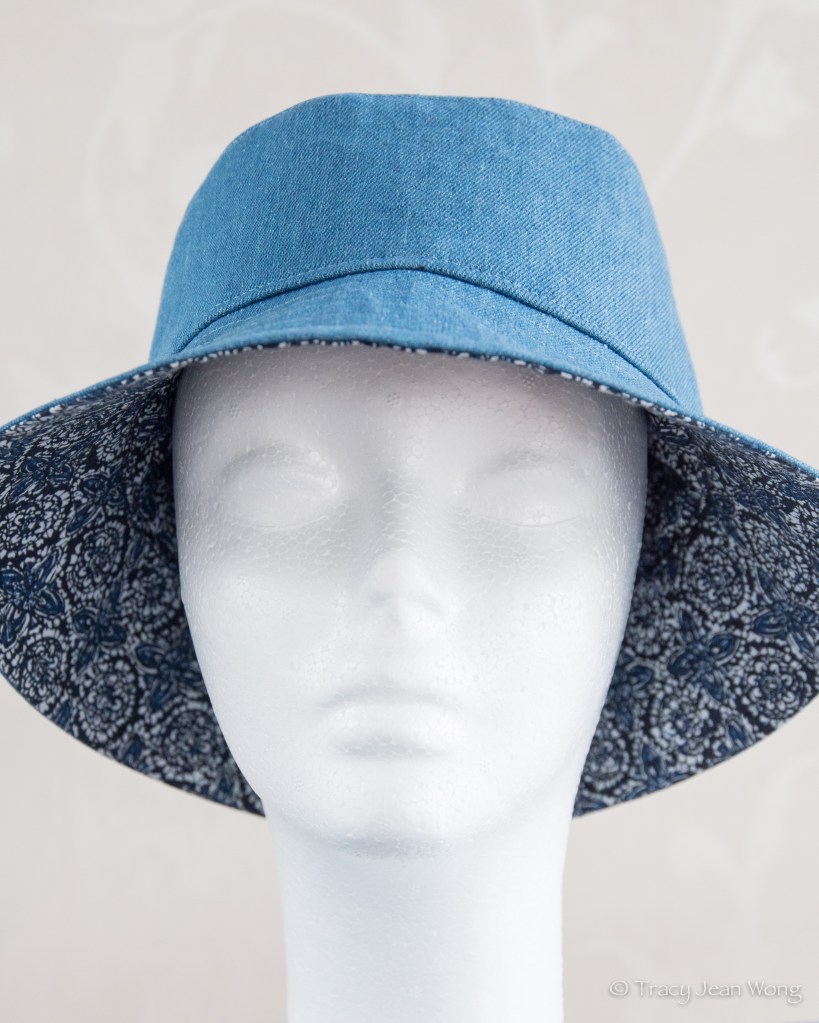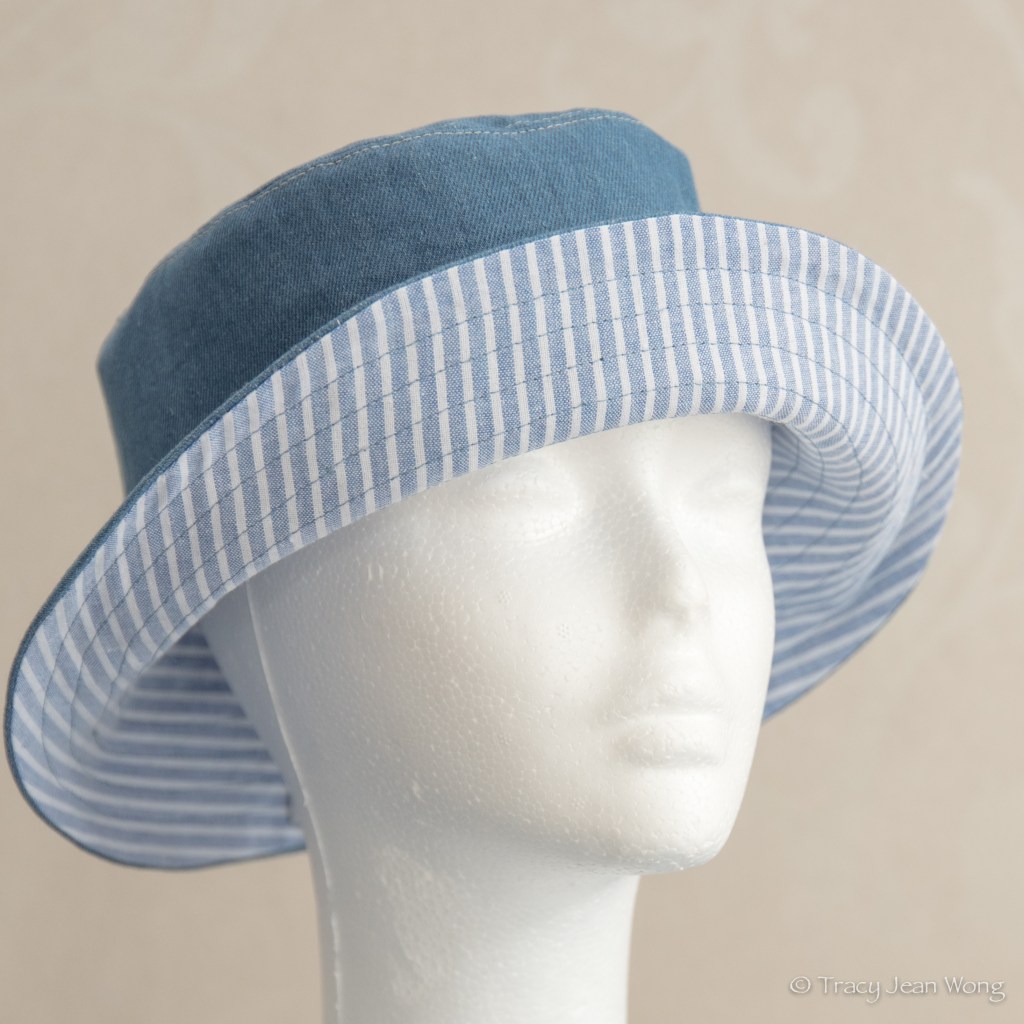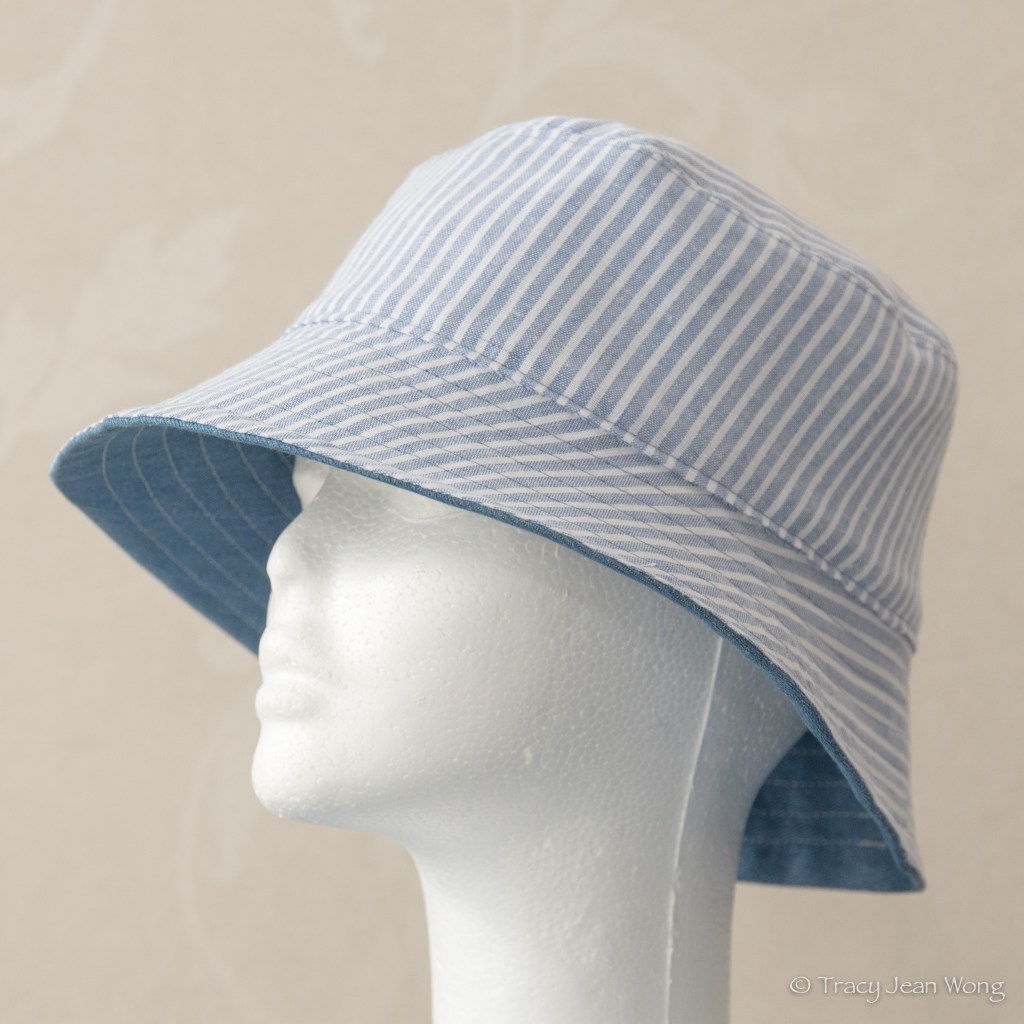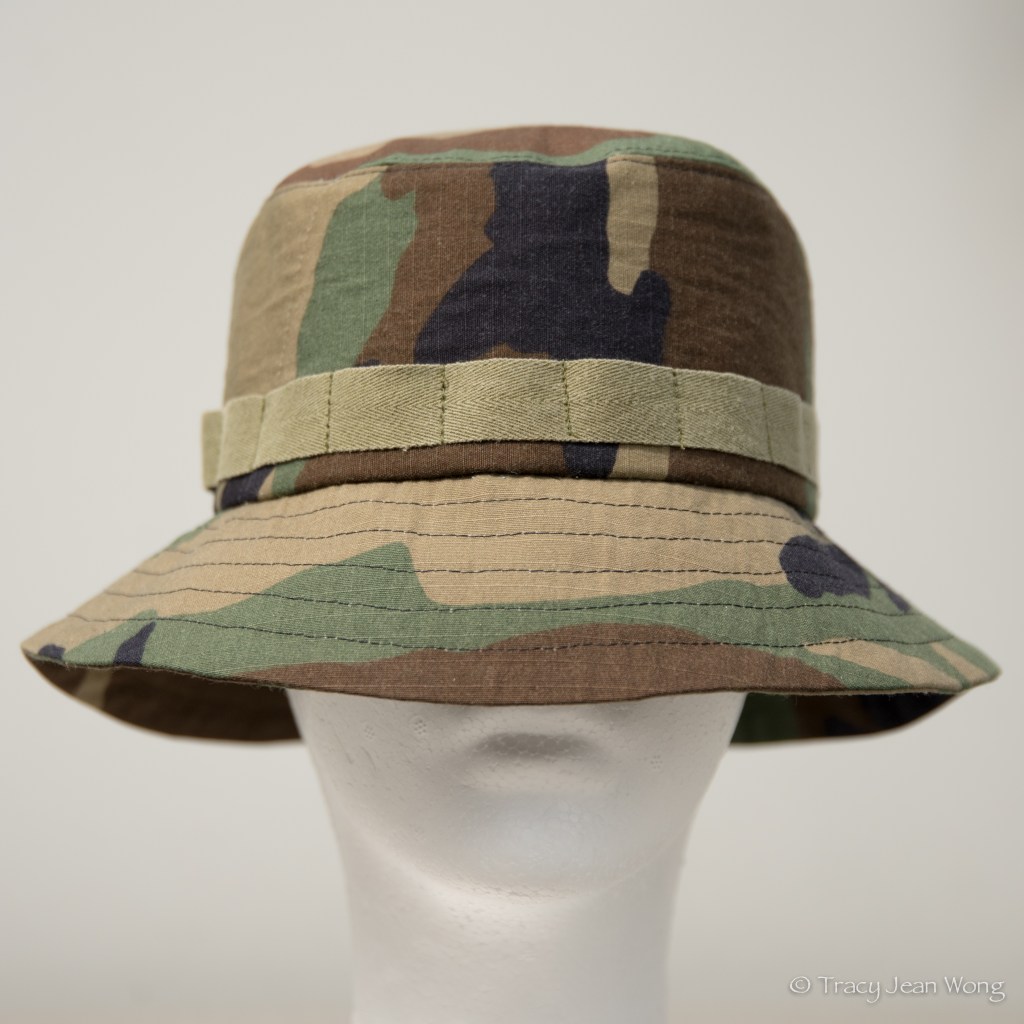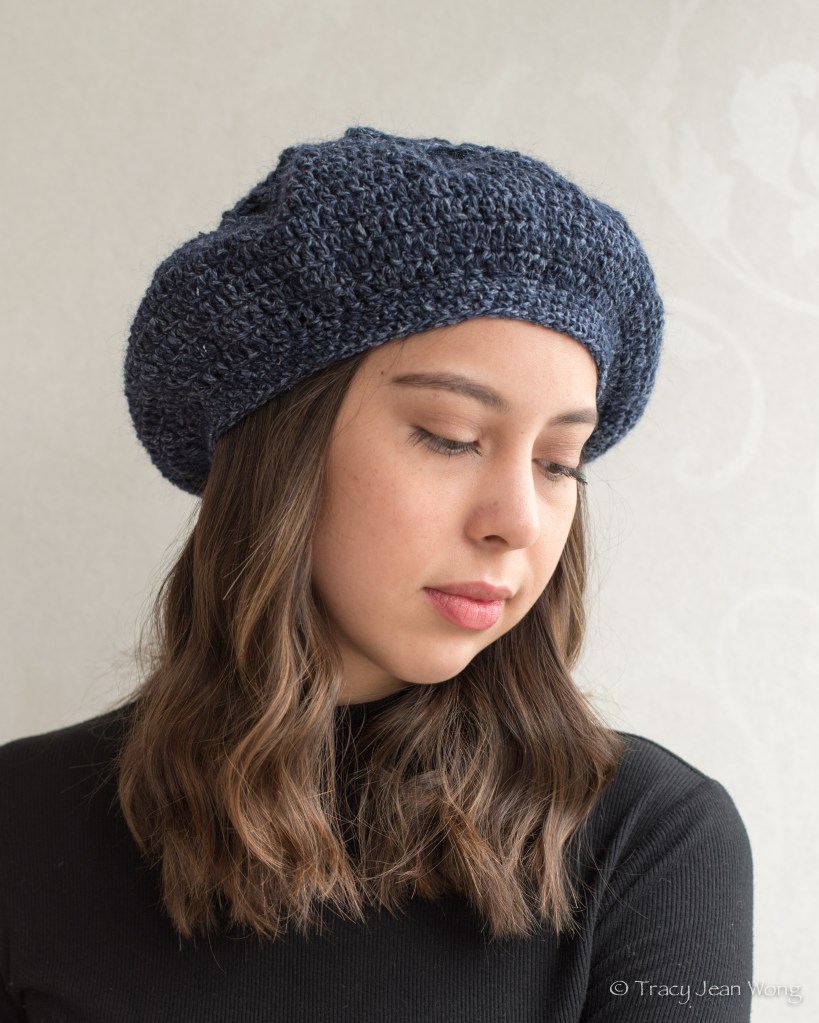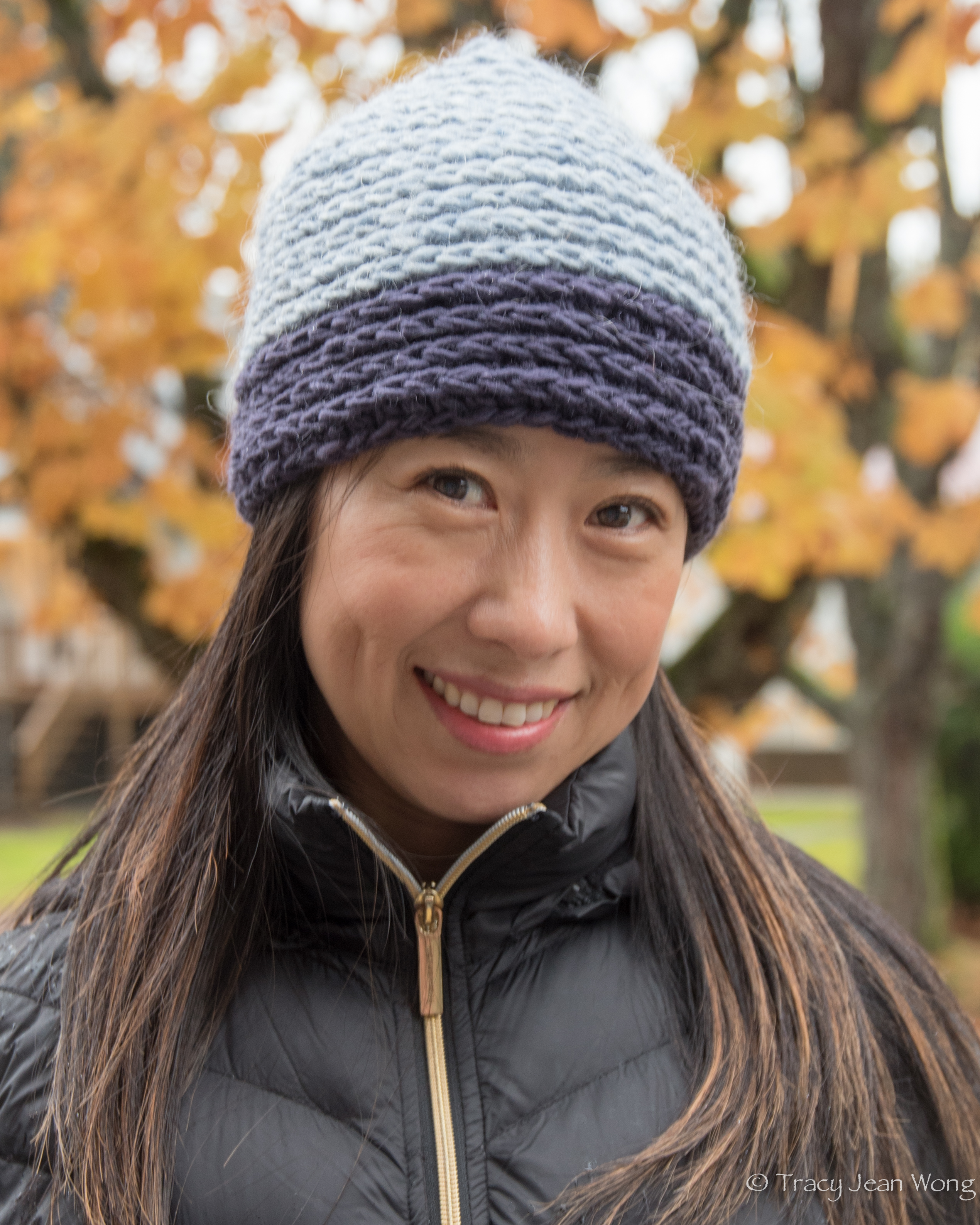
Indigo

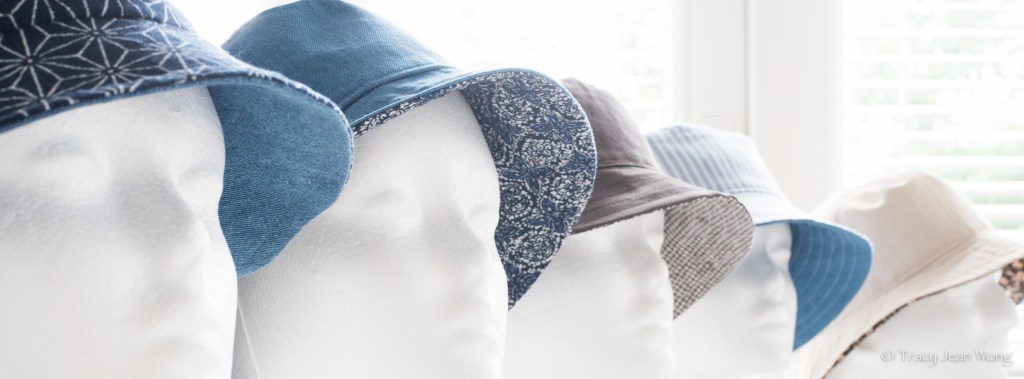
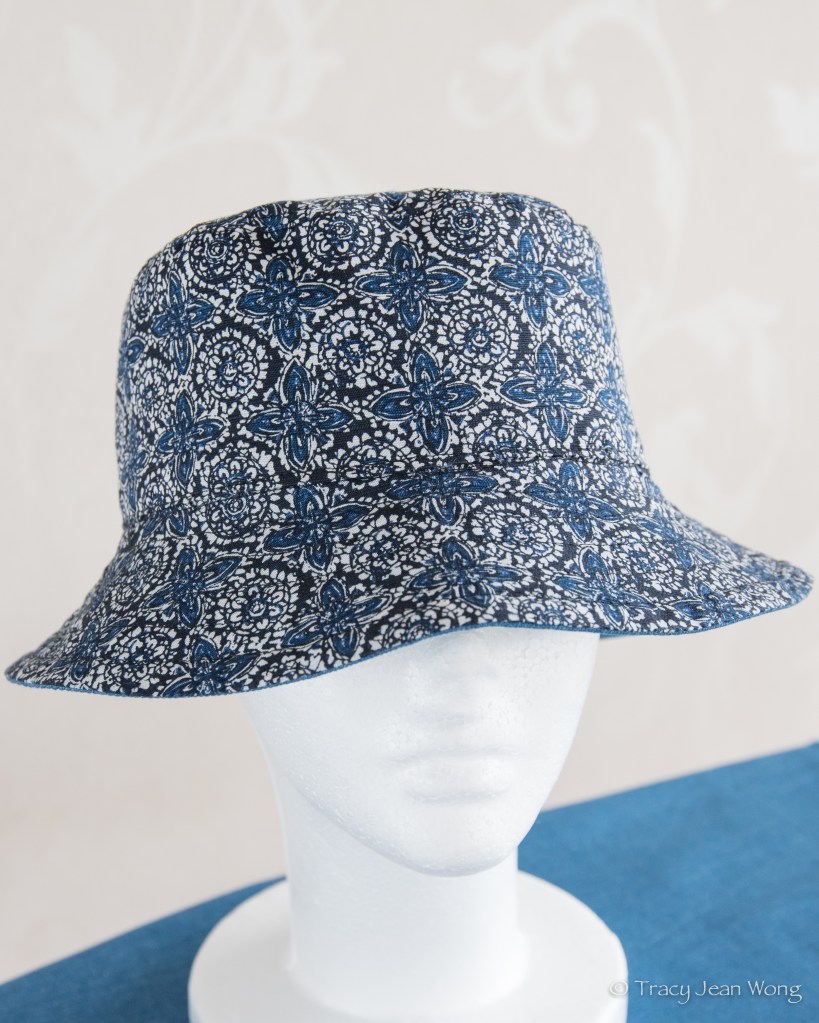
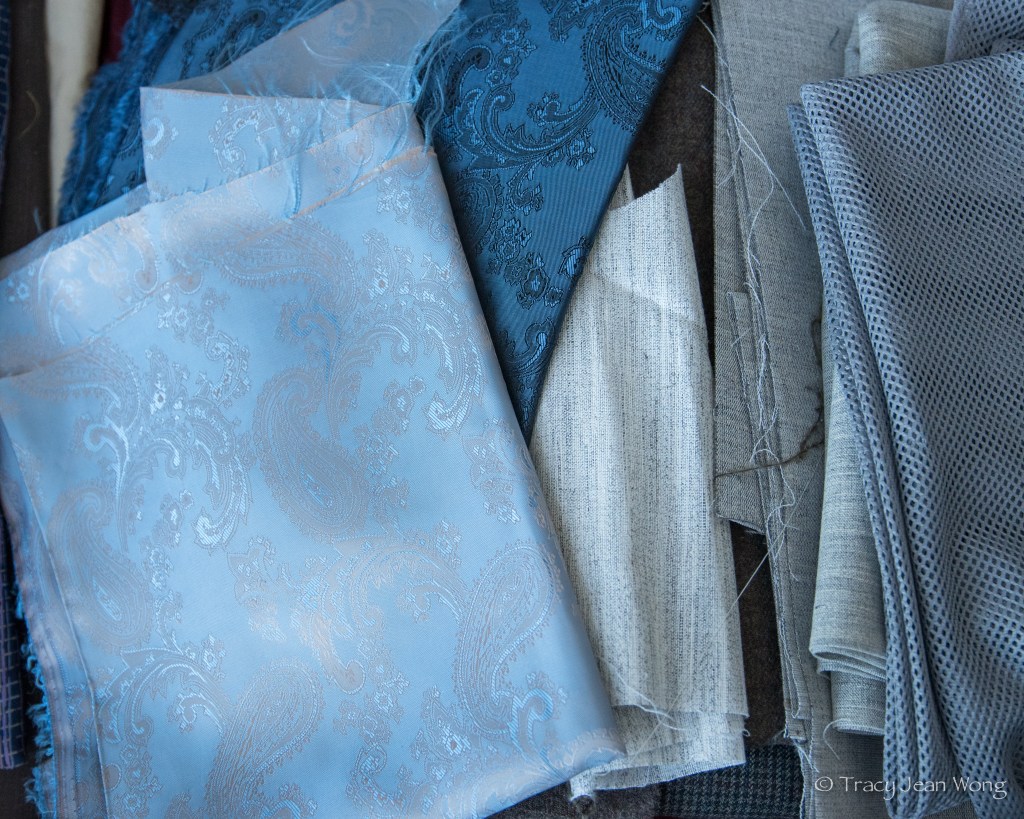
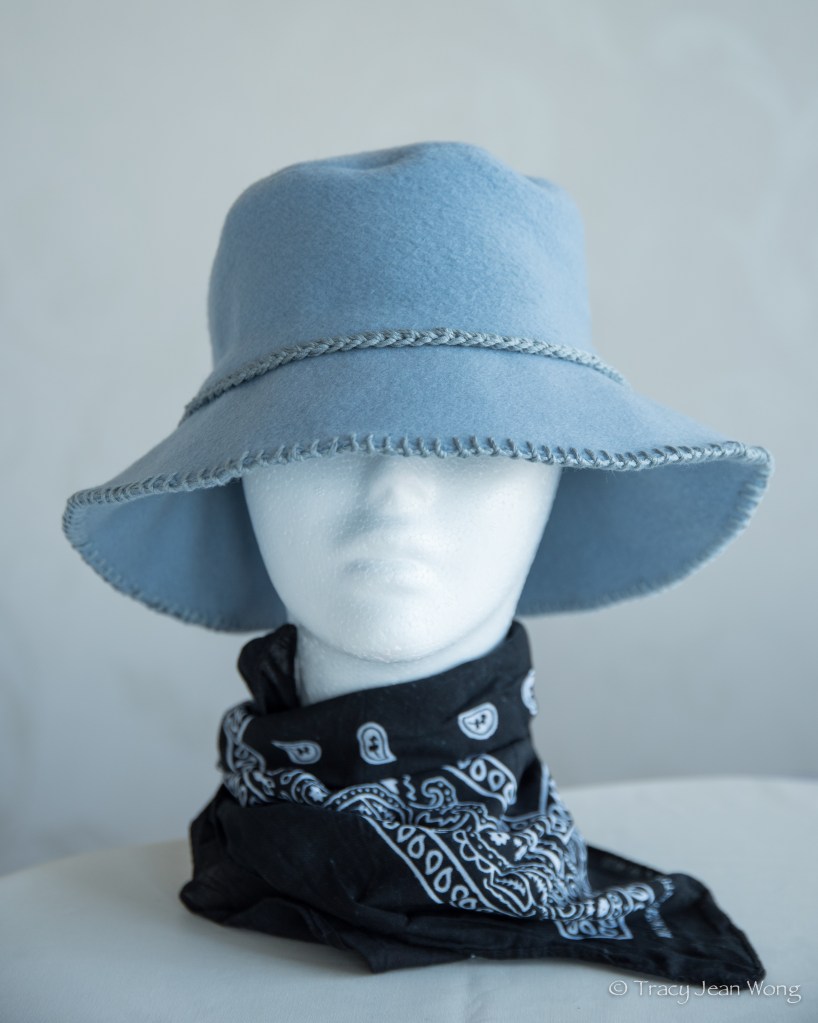
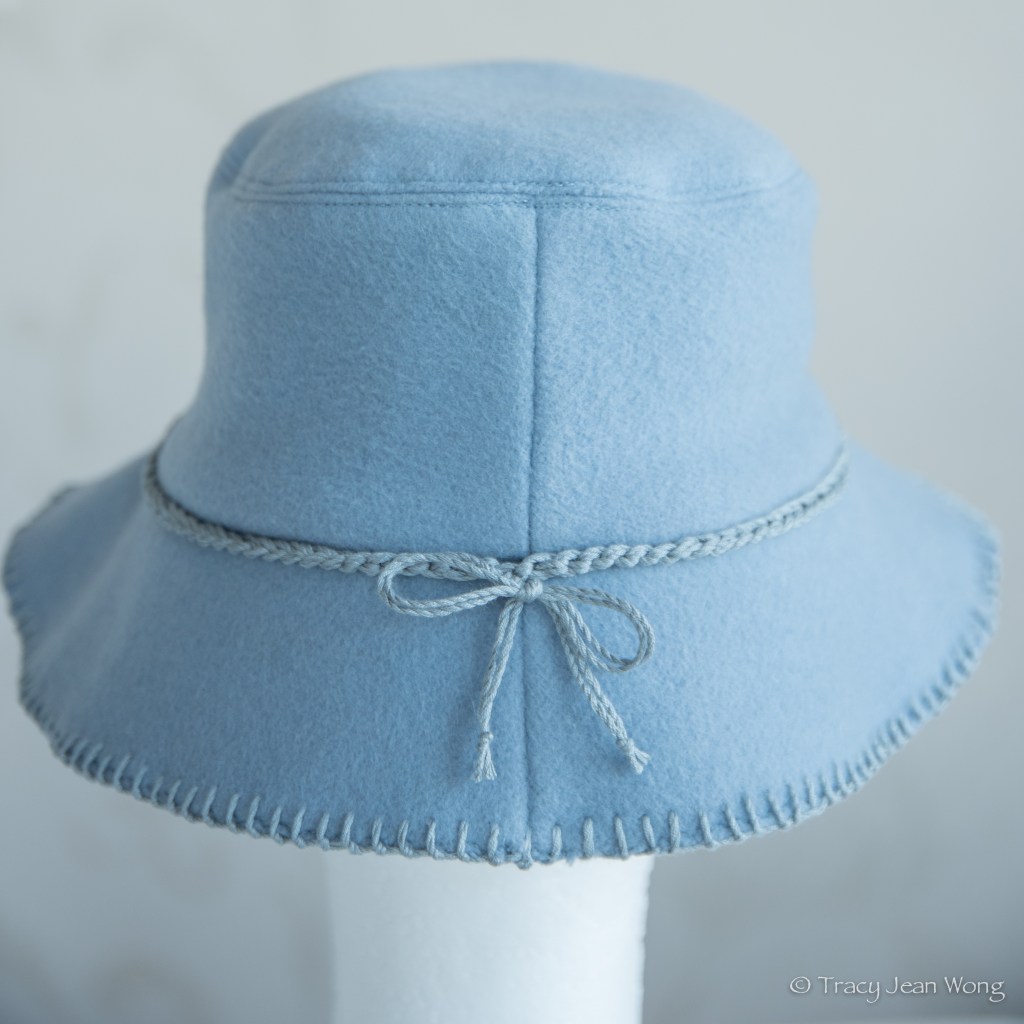
Midnight blue, cosmic cobalt, deep violet…just a few of the many shades of indigo I saw at the Jing Jai Market in Chiang Mai. Artisans of Walk on the Wild Side explained that tribes people in rural Thai villages produce much of the fibre and fabric used in their handcrafted apparel and they use natural pigments used in the dyeing process.

For thousands of years, materials such as cochineal bugs, yarrow flowers, and tea leaves have been used as dyes. In the case of indigo, many plants contain the indigo dye molecule, but successful extraction of the pigment is limited to only a few. Indigofera tinctorial grows in hot, humid climates and is the most common commercial source. In the mid-1800s, development of synthetic dyes changed the textile industry, largely replacing the labour-intensive practice of natural dyeing.

Different methods have been developed to dye plant fibres, animal hair and fur, and filaments spun from silkworms. Dyeing methods are also nuanced to produce indigo variations. Multiple dips in indigo vats intensify colour. Over dyeing a base colour such as yellow with indigo can produce an emerald hue. Surface designs can be created when dye is used as paint or dyeing is resisted as in tie dyeing.

In Search of the Silk Road

Beautiful Thai silk fabric comes from the cultivated silk worm. A single thread is produced by reeling multiple delicate filaments from the cocoon. The yellow threads of the Thai species are cleaned, bleached, and dyed before being woven into 1-ply, 2-ply, or 4-ply fabric. The silk can then be sewn into lightweight to suit-weight garments and home decor items.

Thai silk worm caterpillars munch on mulberry leaves.
The silk worm caterpillar secretes silky filaments to make its cocoon for the larval stage.
The reeling process

Recently I visited Thai Silk Village in Chiang Mai searching for silk fabric. Not only did I find bolts of solid-coloured and print textiles, but also available were clothing and accessories, including many, many scarves. I am left wondering about the possibility of creating a lighter silk head scarf or a heavier weight bucket hat.

Can Baby Wear Merino?

I displayed a baby cloche crocheted with merino wool on my craft fair table. A woman stopped by and exclaimed that babies should never have wool next to their skin. Truth or myth?

Soft and fine, merino wool is natural and wearing it helps regulate temperature. A natural crimp in the fibre insulates and keeps warmth in. It is breathable, allowing moisture to move from the surface of the skin and escape. It keeps you warm in winter and cool in summer. Merino is comfortable for babies, children, and adults. On top of all that, it is machine washable.

You might wonder why it doesn’t itch. High quality merino wool has fibres of very small diameter that bend as you move and do not scratch. Grades of fine, extra fine, superfine, and ultra fine (fibre diameters <17.5-20.5 microns) are especially silky.

Toddler hat, 85% Extra Fine Merino, 15% Cashmere
“Arwen”, Drops Design

Next time you are out shopping, have a look at and feel clothing and accessories made from merino wool or merino wool blends. You will find an array of T-shirts, sweaters, base layers, socks, scarves, and headwear.

Baa humbug…Merino or Cashmere?

Tenth & Proper, “Meet the Maker” event, December 5, 2019

It’s holiday time and winter begs you to wrap yourself and your loved ones in warmth and luxury. The choices are many, but you might ask, “Merino or cashmere? And what is the difference?”

Merino wool comes from a domesticated strain of sheep, the Merino, which must be sheared in order to survive. If not sheared, the wool continues to grow and may cause health issues, including overheating and difficulty moving. Spain was the first country to breed this sheep and take economic advantage of its soft, fine wool. Before the 18th Century, Spain had a monopoly on merino and decreed export of this sheep a crime punishable by death. Much of modern merino wool now comes from Australia and New Zealand.

Cashmere comes from the winter undercoat of a goat found living on cold arid Asian plains. The finest fibres of cashmere are found in the fleece next to the goat’s body under its coarse outer coat. When the weather warms, the goats naturally shed their coats. At this time, cashmere can be collected by hand-combing or shearing. Separating out and cleaning the fine fibres of the fleece yield the beginnings of silky luxurious cashmere yarns and fabrics. It can require the hair of three goats to make one sweater.

Unfortunately, with cashmere now so much in favour, some goats have been sheared in mid-winter, stripping them of their warm coats and causing them to freeze to death. As well, herders raising larger number of goats to keep up with demand translates into loss of grassland habitats. Goats “browse” rather than graze, choosing to eat weeds, bushes, leaves, and tree bark, turning grasslands into deserts.

My conclusions: Make your holiday purchases thoughtfully. Keep warm. Find and wear your dad’s old sweater.

Meet the Maker

As a shopper at craft fairs, I have appreciated the creativity and quality workmanship of artfully made products. This past weekend, it was different. I was on the other side of the table as a craft fair vendor. It gave me pleasure when people admired, touched, and tried on hats that I had handcrafted. It delighted me when someone put on a hat and it looked like I had made it for her. I learned a few things from other experienced vendors, such as how to set up an attractive display and the benefit of bringing along someone to help out. Thanks to everyone who supported me in my first fall markets at Britannia, Dunbar, and West Vancouver Community Centres.

Tracy J and Coco at the Dunbar Holiday Craft Fair,
November 23, 2019

Next week, I will be one of three artisans at “Meet the Maker” to be held at Tenth & Proper Boutique. This event will highlight other local women whose fair trade scarves and leather creations are worth looking at. Hope to see you there!

Save the date: Thursday, December 5th, 3-7 pm

“Meet the Maker”, featuring: Marigold Collective, Bronsino Designs, Hats by Tracy J, and more!

Tenth & Proper, 4483 West 10th Avenue, Vancouver, B.C., 604 222 1115

What Hat to Wear?

Over the years, I have worn a variety of hats…as a dentist, an educator, and a traveller. Now I am passionate about photography and millinery. It is difficult for me to dabble. Immersion better describes how I learn.

I have sewn and crocheted most of my life. In hat making, first I learned how to adapt a pattern. This evolved to creating my own designs and experimenting with materials, colour combinations, and finishing elements. After initial applications to craft fairs were accepted, I prepared for the jurying process. I presented hat samples and photographs to the jury or show committee. A hundred hats later, I researched how to market a product and display my handcrafted pieces.

Along the way, many people took time to guide and instruct me. I owe a special “hats off” to Marion Fudge (Owner, Tenth & Proper Boutique) for introducing me to retail concepts, Eileen Mosca (Artist, Arts off Main Gallery) for informing me about craft fair culture, and Emilie Yokoo (Graphic Designer) for teaching me the importance of creating a brand.

Many of my hats will be debuting this weekend at holiday craft fairs. I will be splitting my time between Dunbar (Saturday) and Britannia (Friday and Sunday) Community Centres. There, you will find other local artisans, entertainment, and food. Hope to see you!

Pima Cotton: Cream of the Crop

Pima cotton is a premium cotton, also known as Extra Long Staple (ELS) cotton. Its longer fibres (1-3/8 inch) give a soft hand, durability, and resistance to pilling. Conventional cottons, which make up the bulk of cottons on the market, have fibre lengths of 1/2 inch to 3/4 inch. The name “Pima” honours the Pima Indians of Arizona who helped cultivate new varieties of “American-Egyptian” ELS cotton for the U.S. Department of Agriculture in the early 1900s.

Pima cotton is grown in Peru, Australia, and the United States. Peruvian Pima is hand harvested, an environmentally-friendly practice. An ultra-soft cotton devoid of scratchiness results, since there are no fibre tears from industrial harvesting. This is desirable for those with sensitive skin.

Lipstick red hats are made from 100% Peruvian Pima cotton

In 1844, John Mercer devised a chemical technique to improve strength and uptake of dye into cotton yarns. Mercerized or pearl cottons have more saturated hues, a lustrous sheen, and smoothness. Unmercerized cottons are spun and just left alone. These minimally processed yarns have a matte finish.

Stitches are defined and the matte finish is soft in this hat made of unmercerized Pima cotton from Peru

Slow Fashion

We live in a keep up, hurry up, and need for instant gratification society. Fast food, fast photography, fast fashion.

Let’s order take-out food on the way home from work. Maybe there will be time to shop on the weekend for local ingredients and prepare a traditional meal for the family. No cell phones allowed at the dinner table. You can check your messages later, but let’s get a selfie snapshot of the family before we sit down to eat.

Likewise, fast fashion moves in lightning bolt speed, from the runway to production to the consumer to the landfill. Often fabrics are synthetic, working conditions in factories unethical, and styles trendy and quickly outdated. In contrast, slow fashion concerns itself more with garments that can last a lifetime rather than a season. It considers human and environmental impacts. Human impacts include decent working conditions, fair wages, and no child labour. Environment impacts include use of organic and recycled/upcycled materials and limiting use of harmful chemicals, water, and energy.  

Slow living is an intentional choice. If you are interested, some ways to join the slow fashion movement are to shop and buy less, buy higher quality and timeless design, and look for local products. Start a DIY project. Think along the lines of vintage or secondhand clothing, donating to charity, and clothing swaps. Love what you own and do what you can to promote sustainable fashion.

This crocheted slouch hat was hand crafted with yarn sourced locally.

West Vancouver Community Centre Fall Artisan Market

Start your holiday shopping with gifts that are unique, locally made and handcrafted.

West Vancouver Community Centre, 2121 Marine Drive, is having its annual Fall Artisan Market next weekend. I will be there on Sunday, November 3rd, 2019 from 10 AM-4 PM. Please drop by to meet me at my first market event and check out my collection of handcrafted hats and headwear.

P.S. I will also be participating in Vancouver craft markets at Dunbar (November 23rd) and Britannia Community Centres (November 22nd and 24th). Stay tuned!