Switching Seasons

“Forecast for Metro Vancouver: Cloudy with 60% chance of showers. Winds SE 40 kilometres per hour, gusting to 60, except gusting to 80 near the Straight of Georgia near noon. High 12. UV index 1 or low. Low 5.”

Environment Canada’s Weather Phone

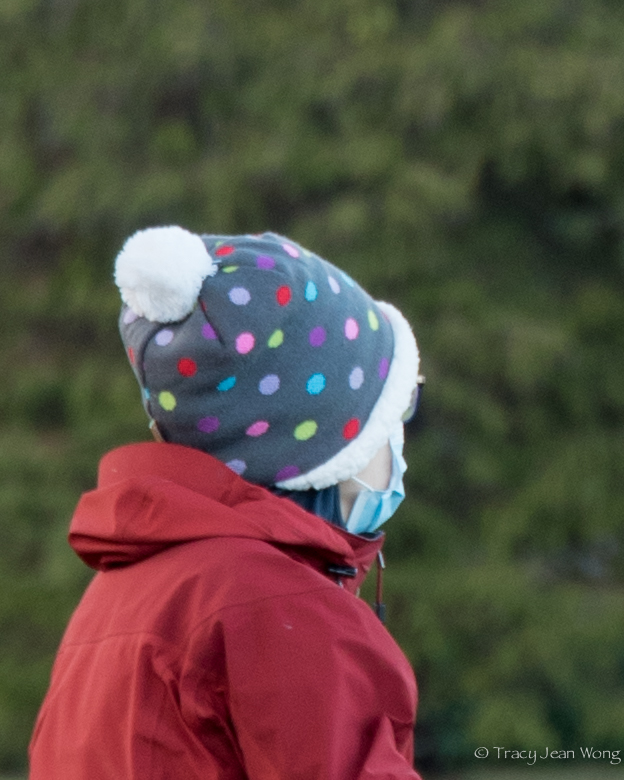
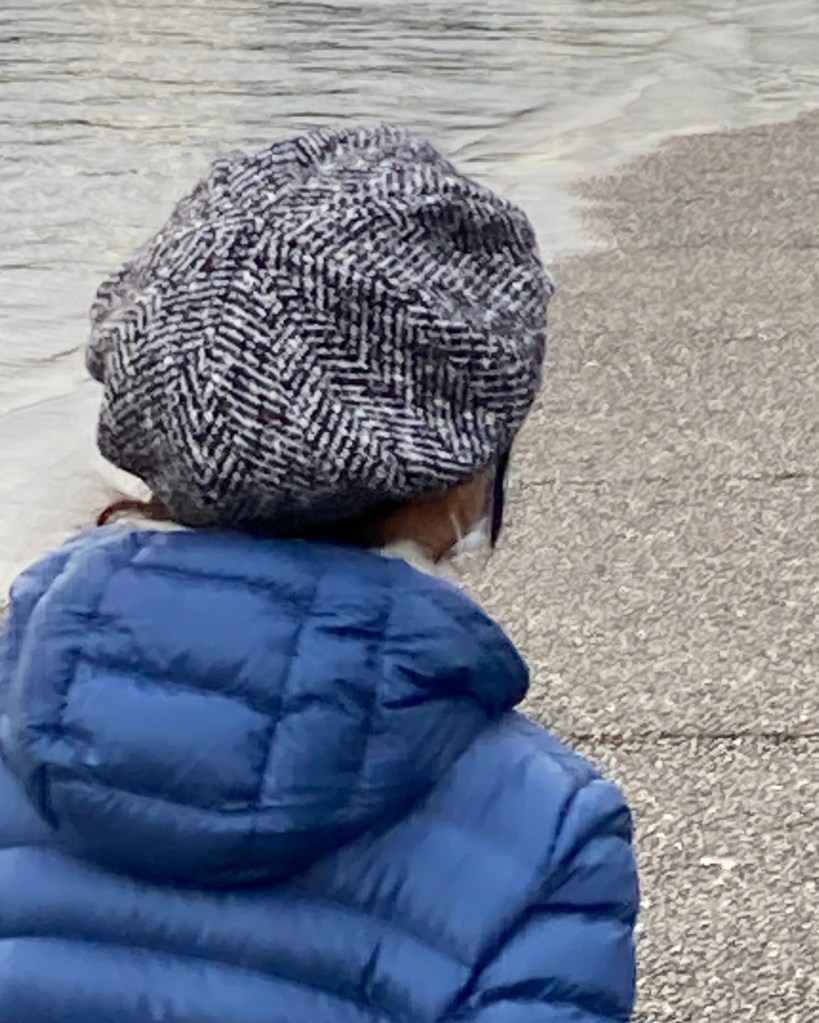
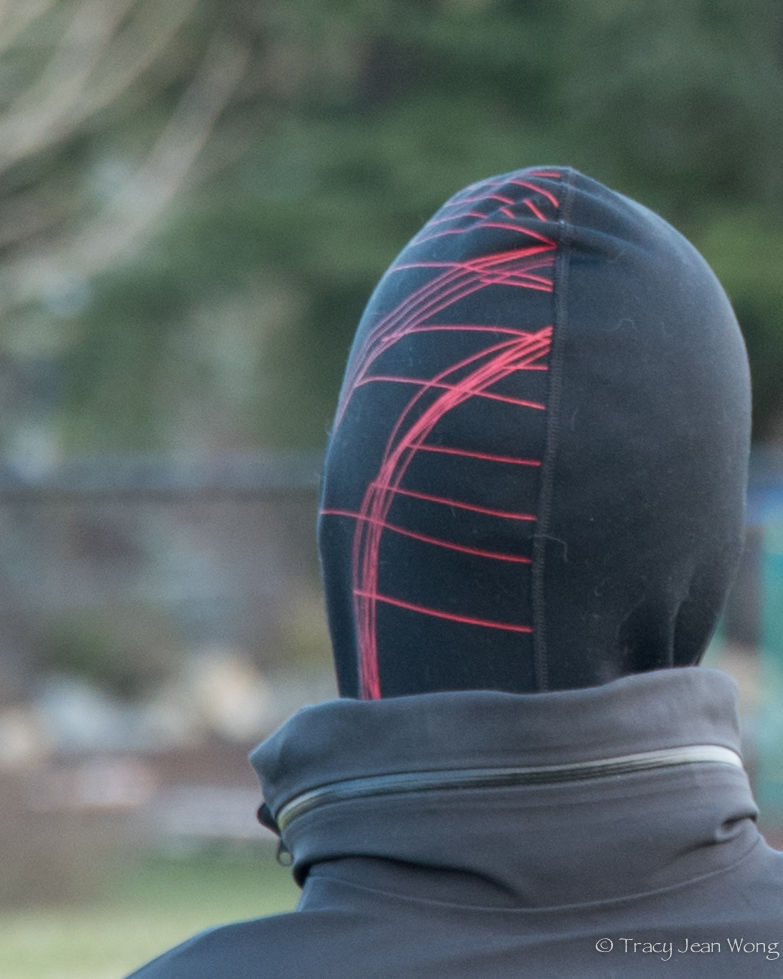
On the British Columbia Coast, we can experience sunshine, clouds, showers, rain, and even wet snow as winter turns to spring. We tend toward active lifestyles and, in March, how many of us don’t check the forecast before a golf game or a beach walk? Do we don our insulated jackets, layers of fleece, and waterproof pants? Which hat is the best one to wear?
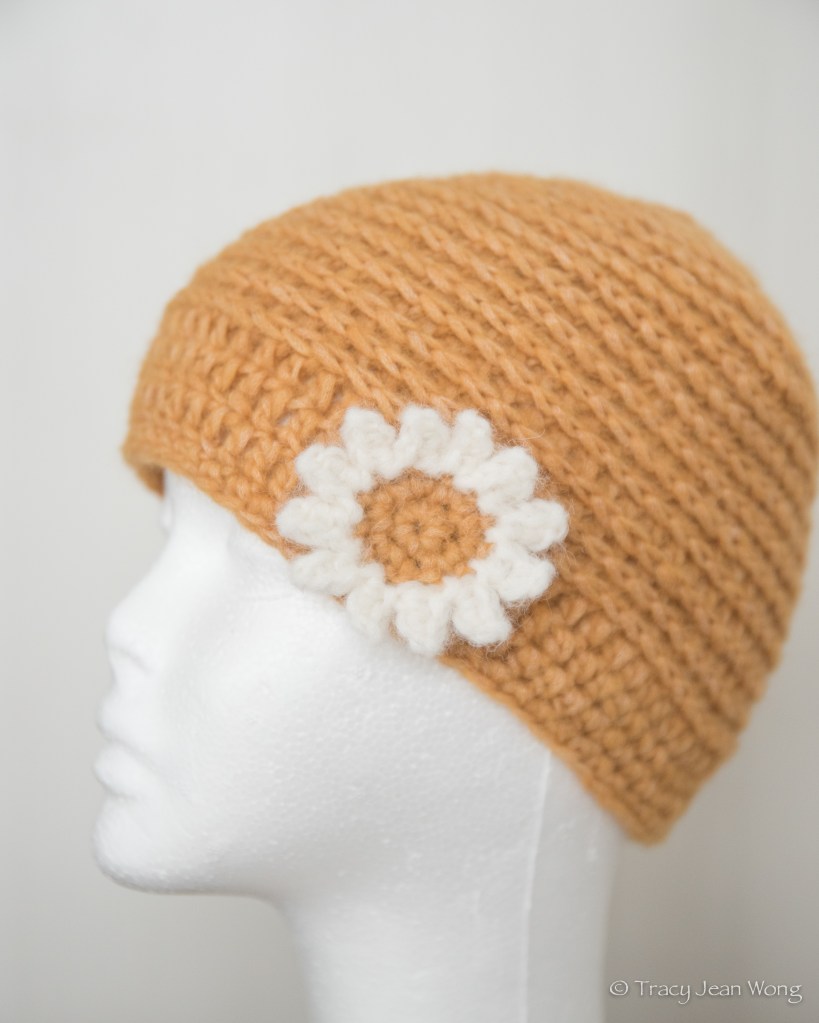
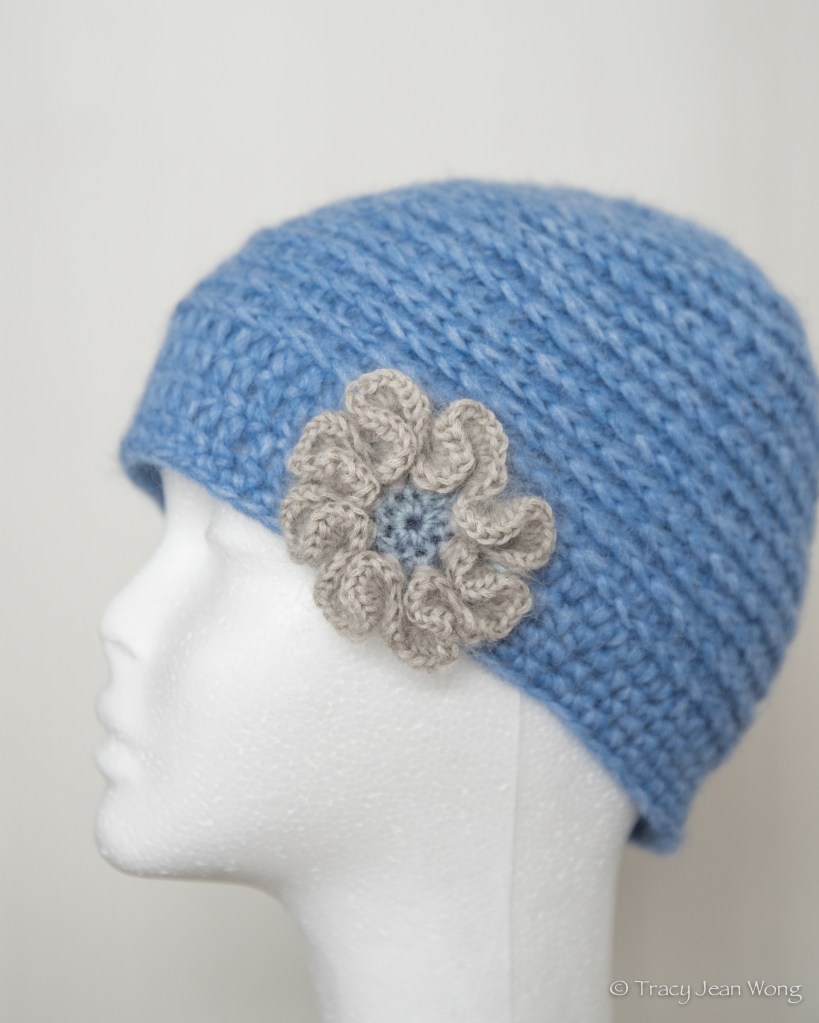
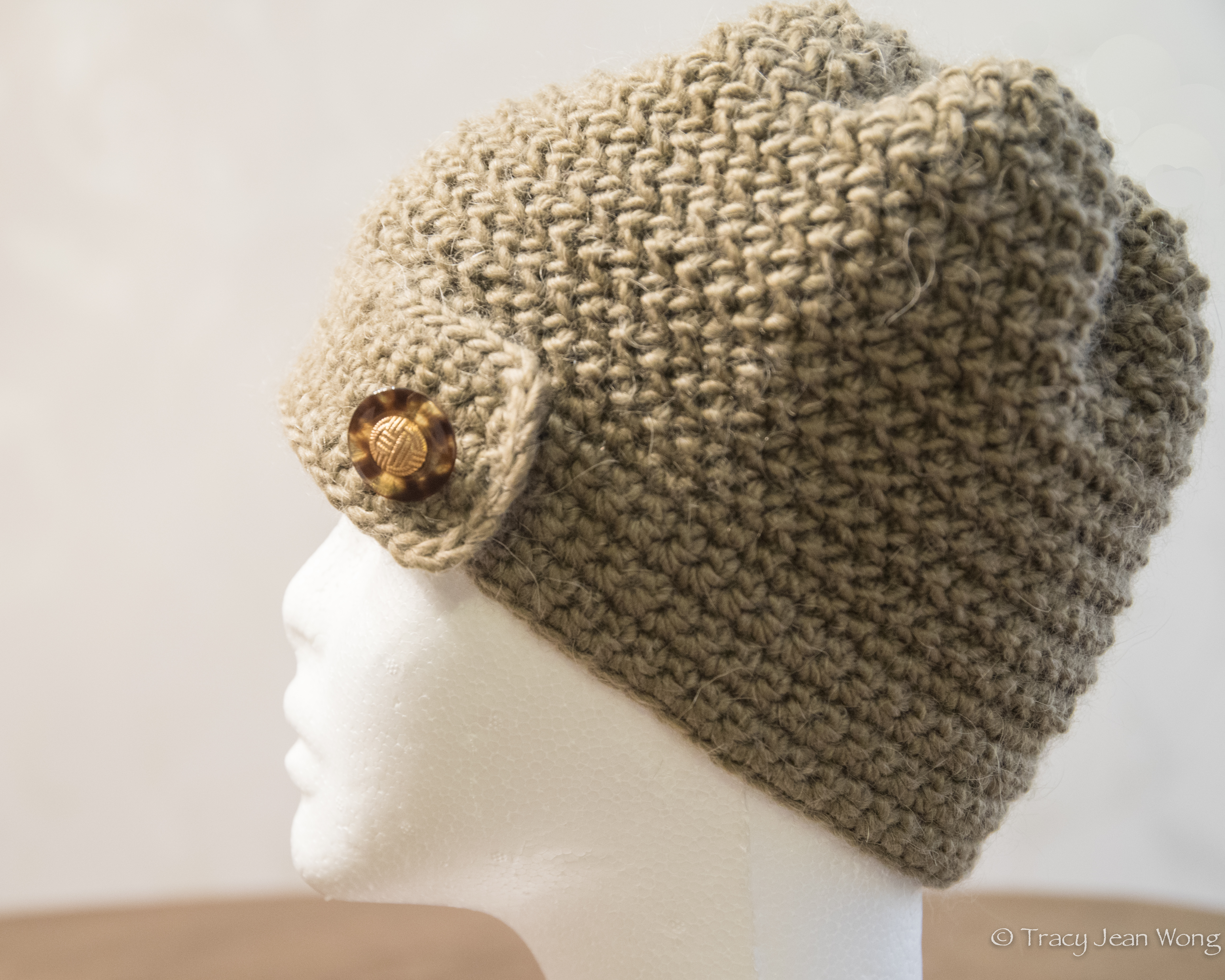
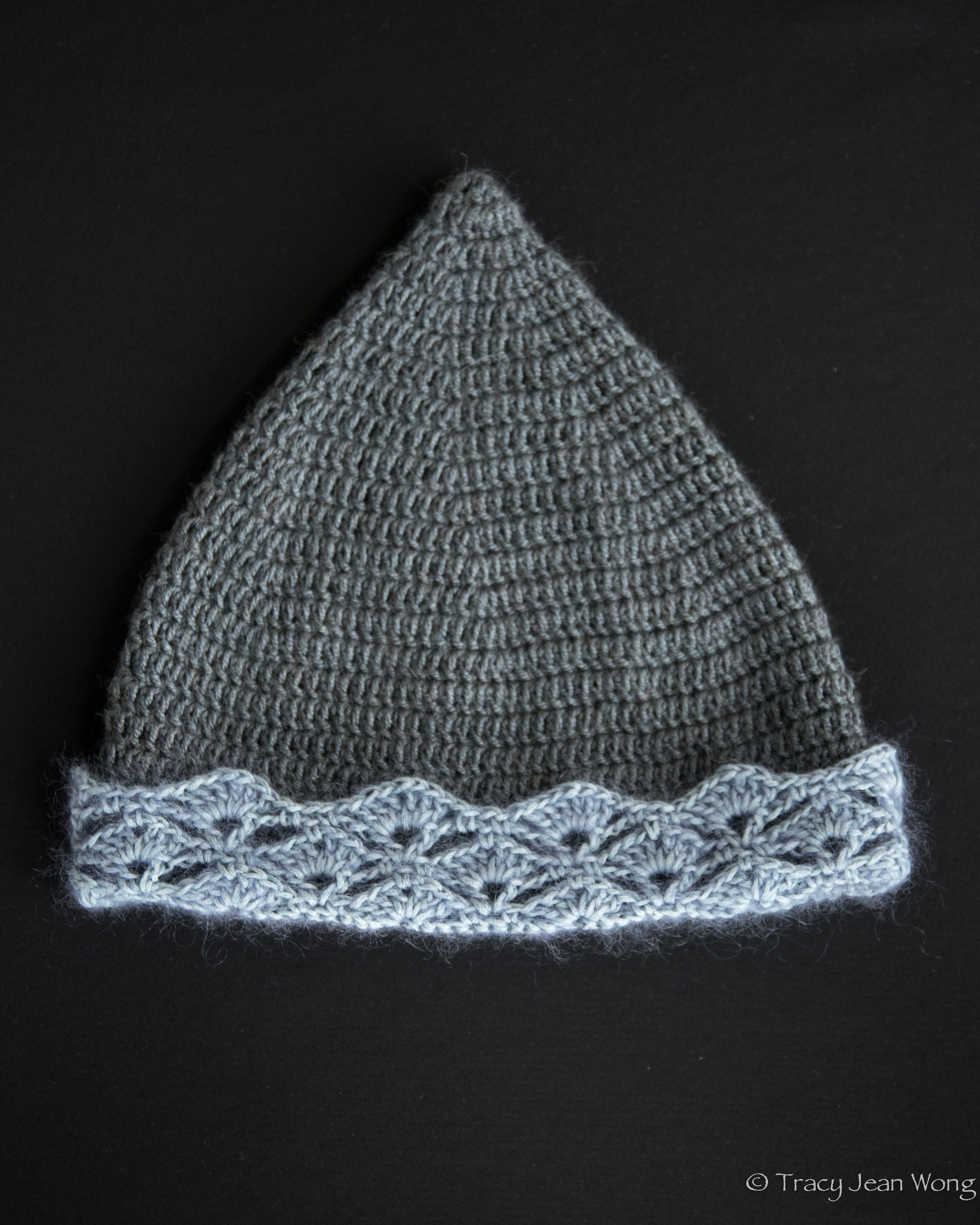
I crocheted these cloches inspired by Knit Natural Susie Gourley’s design called “Frosty Morning”. I adapted the pattern for a yarn made from a “blow yarn” where fibres of baby alpaca and merino wool are blown into a polyamide tube. The result is a cloche that is very light and airy, yet still warm. The brim is wider at the front and tapers at the back. I embraced a palette of colours from sunshine yellow to sky blue and dressed up some of the cloches with flowers to usher in spring.
Be My Valentine

Is colourful clothing just for babies and children?

Have a look in your closet and check out what colours prevail. My wardrobe gravitates toward black. Black has been considered stylish, serious, and elegant, as well as slimming. Grey is a neutral that often signals maturity and tranquility; it doesn’t call attention to you. Some say navy blue is a colour of confidence and reliability and is the colour to wear to a job interview. Blue is also often seen in working uniforms.
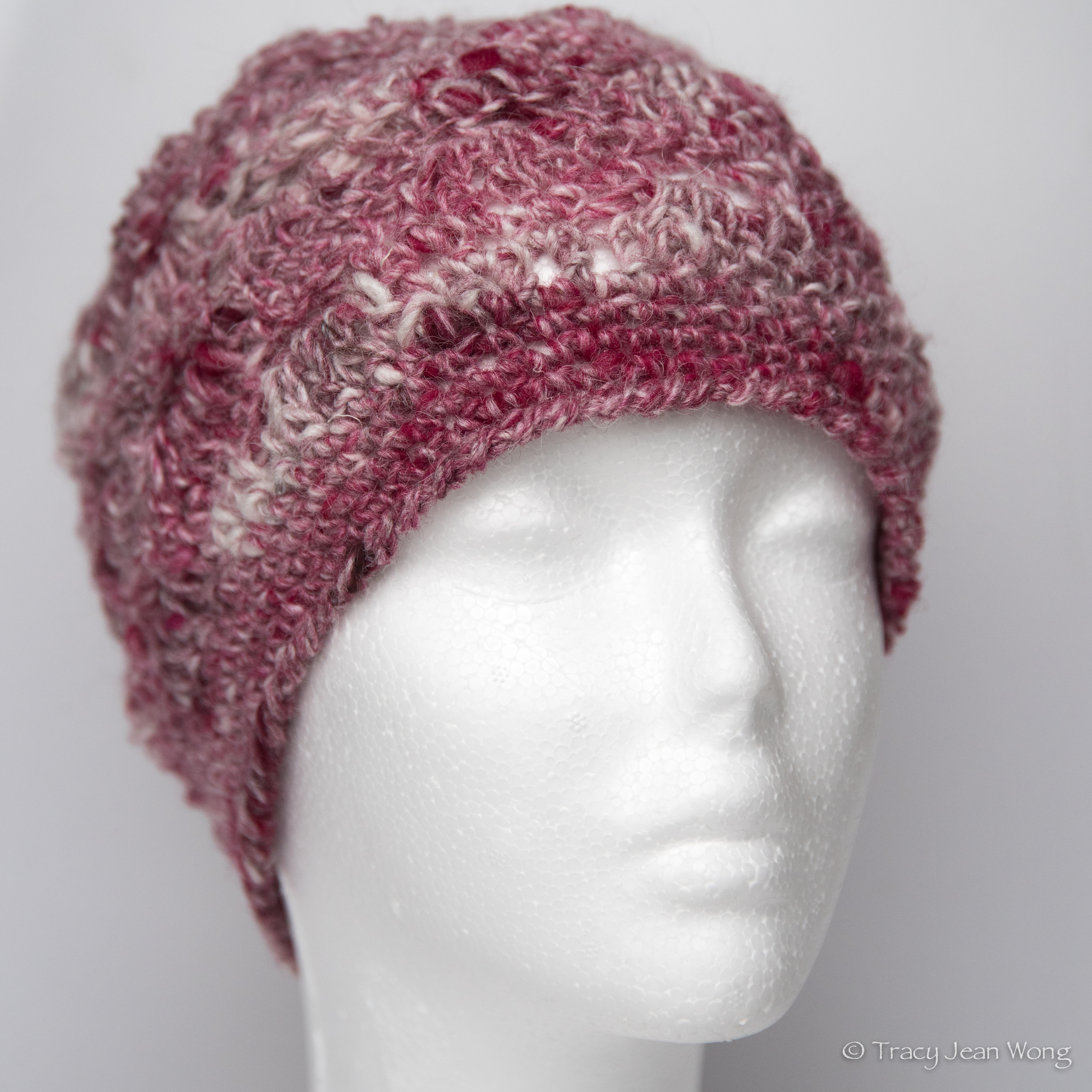
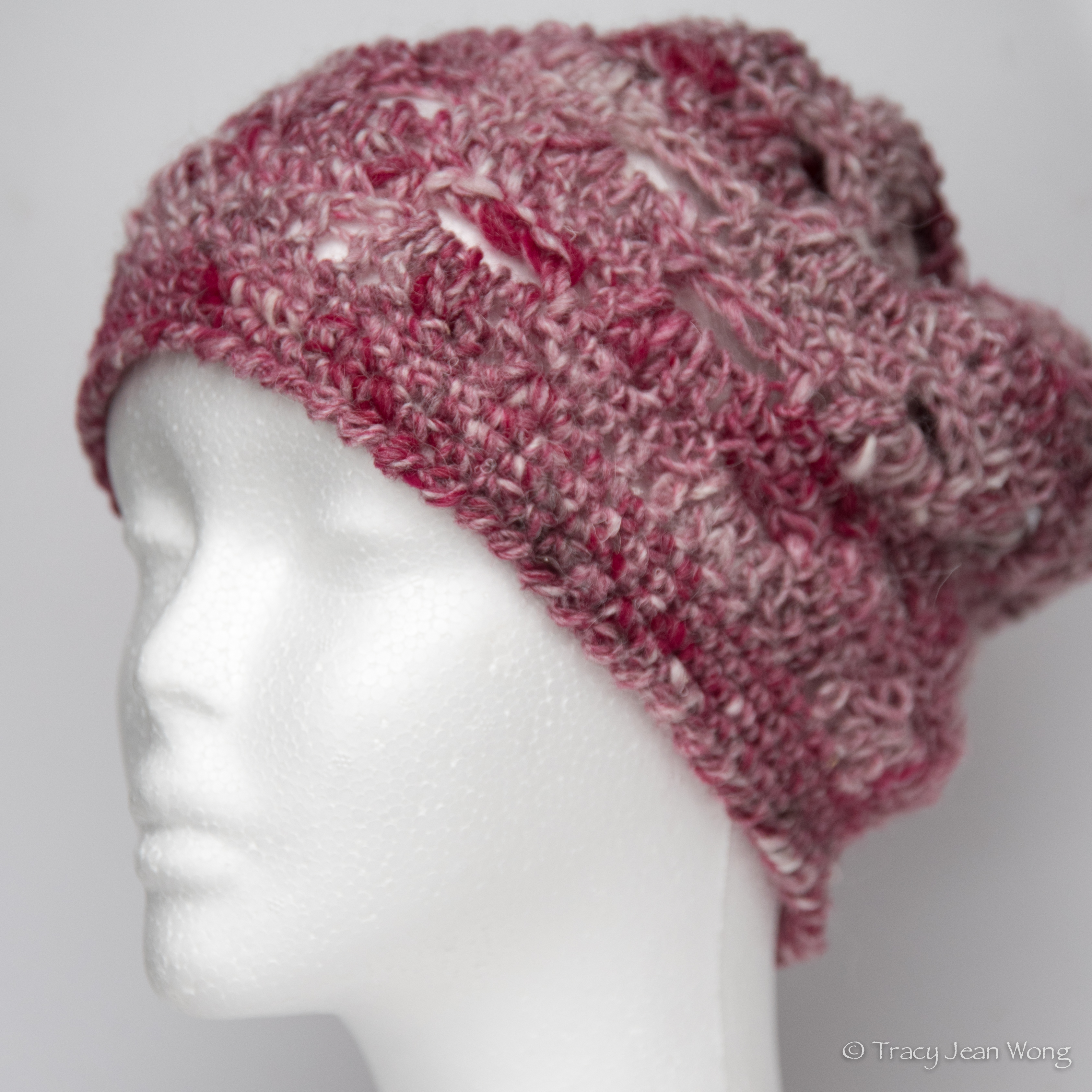
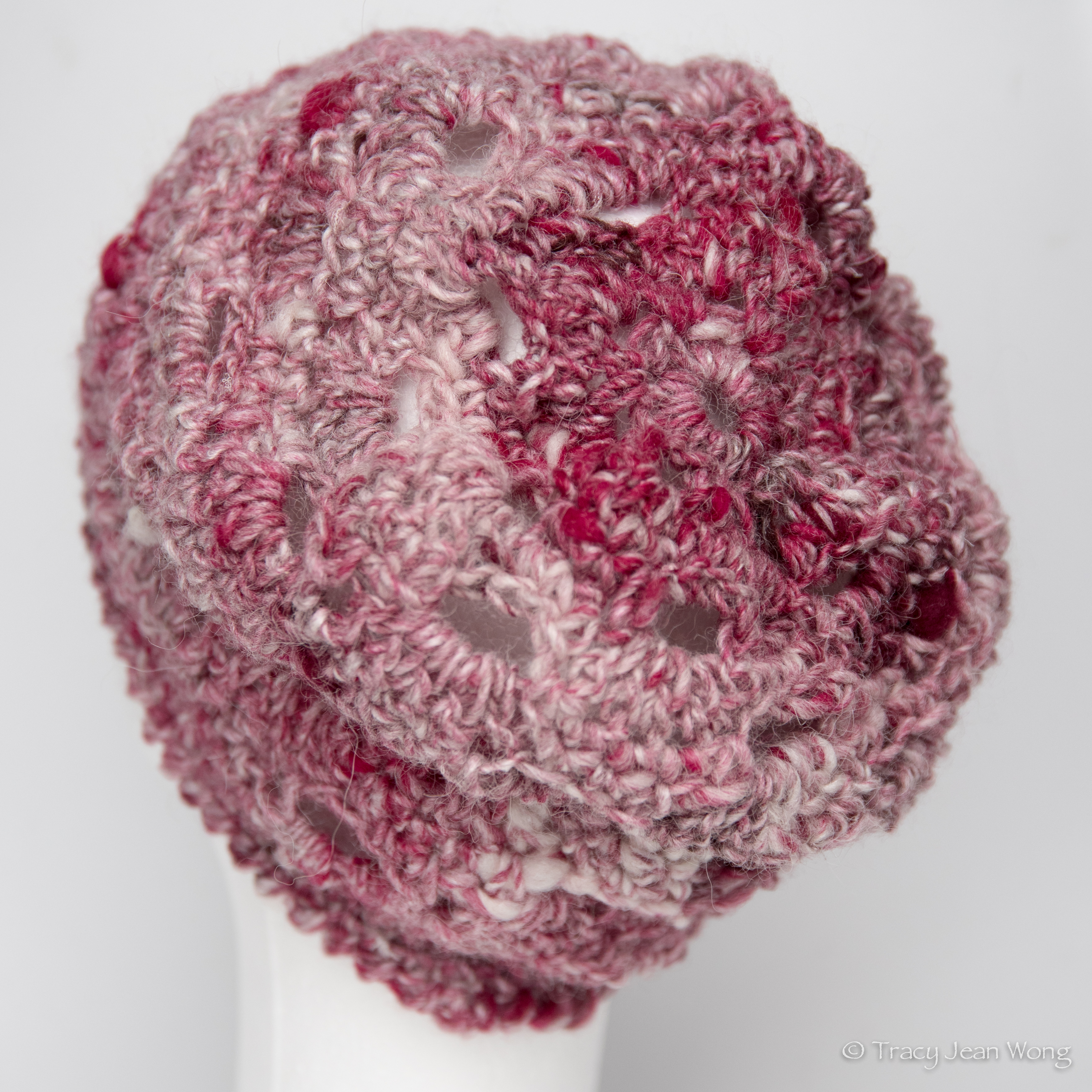
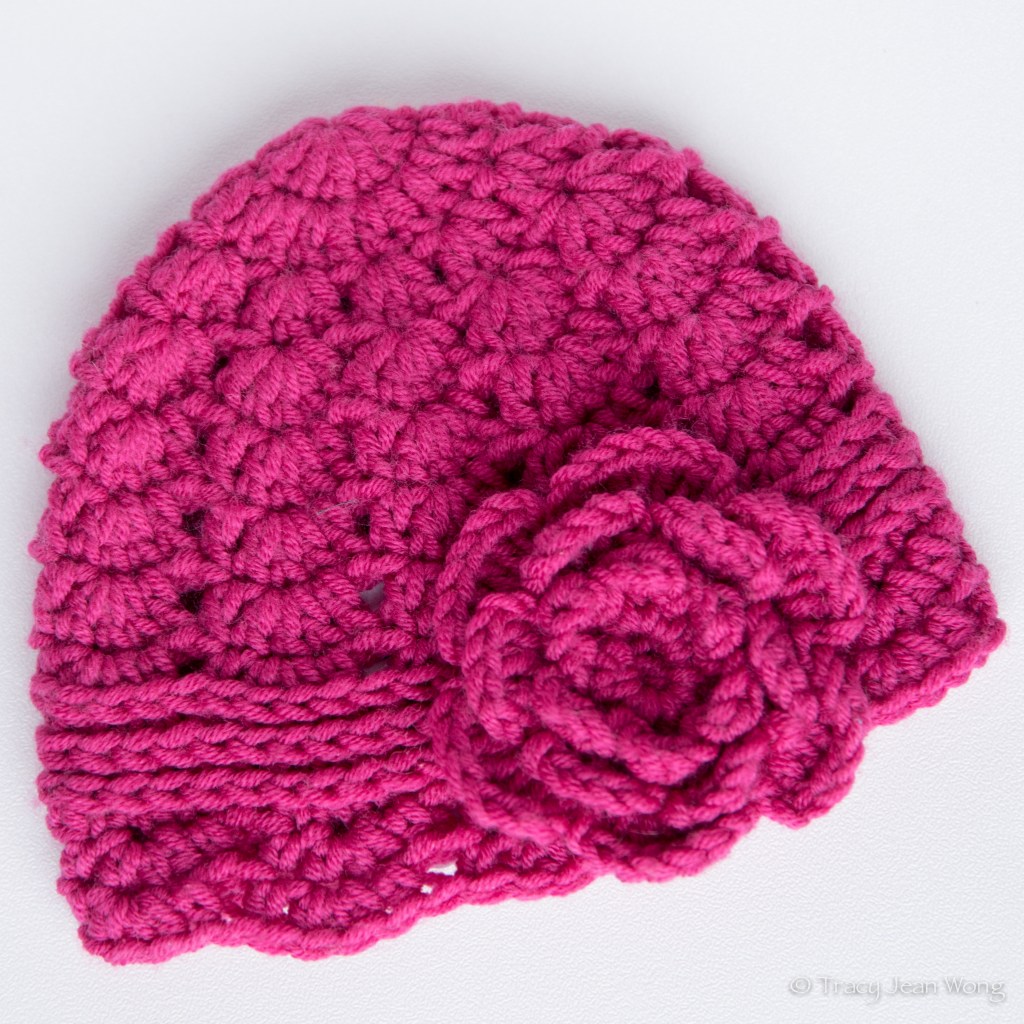
This month of Valentine’s Day, let’s consider some other colours. The vibrant colour of red will most certainly draw attention and it is a colour of energy, passion, and power. Bright pink is often thought as a little girl’s colour, but different shades of pink can be flirty, romantic, or calming. Below, the “Summer Slouch Beanie”, a pattern designed by Simply Made by Erin, shows variegated pinks in a mix of wool, silk, and alpaca.
Colourways

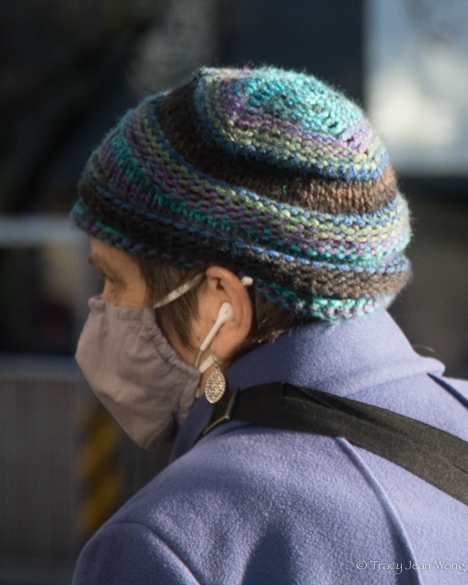
I want to show you the effect different yarns—their colours and patterns—can have on the look of a hat. In the design world, the term colourway is used to describe a colour or combination of colours applied to yarn, cloth, paper, and wallpaper. When it comes to yarn, the fibres can be dyed and patterned resulting in a finished piece that is variegated, striped, or tweedy. Or it may have an ombré or heather look, like the Aleway Hat below.

Aleway Hat, Merino Wool/Cotton/Polyamide, Design by Kristina Olson

Companies use catchy or poetic names, such as “painterly”, “ruby slippers”, or “steel cut oats” that not only hint at the colour, but also entice buyers to make a purchase.

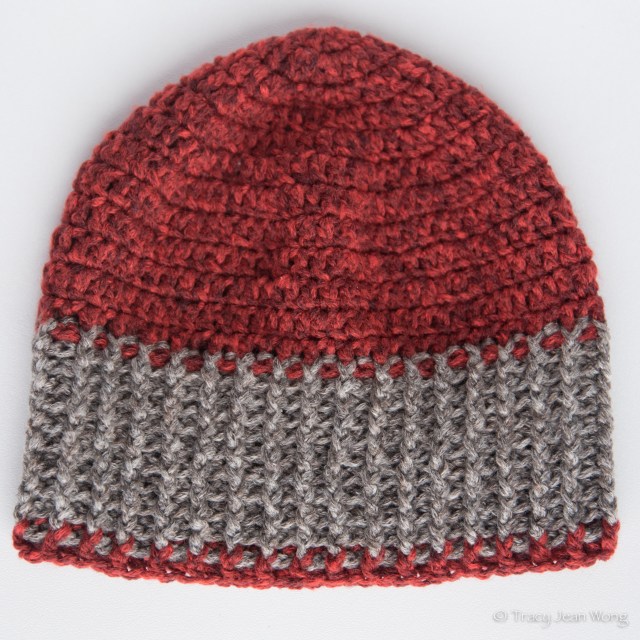
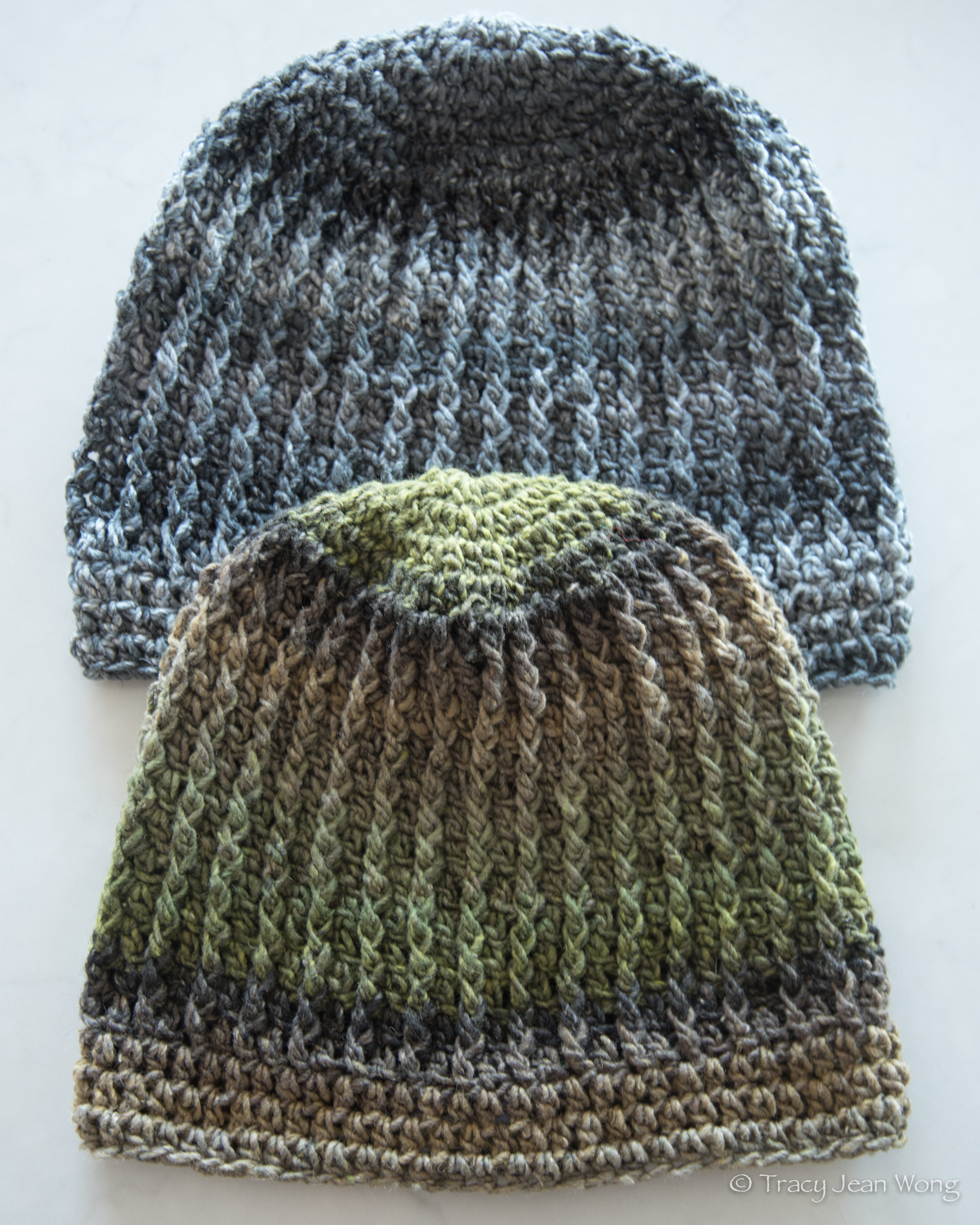
These hats (variations of the Aleway Hat) were crocheted using a blend of silk, merino wool, and nylon. Although the yarn colours were identified simply as “camo” and “greys”, I thought that their colourways might have been more descriptive, since camo reminds me of uniforms on the battlefield and greys ceremonial uniforms.

Crochet Beret

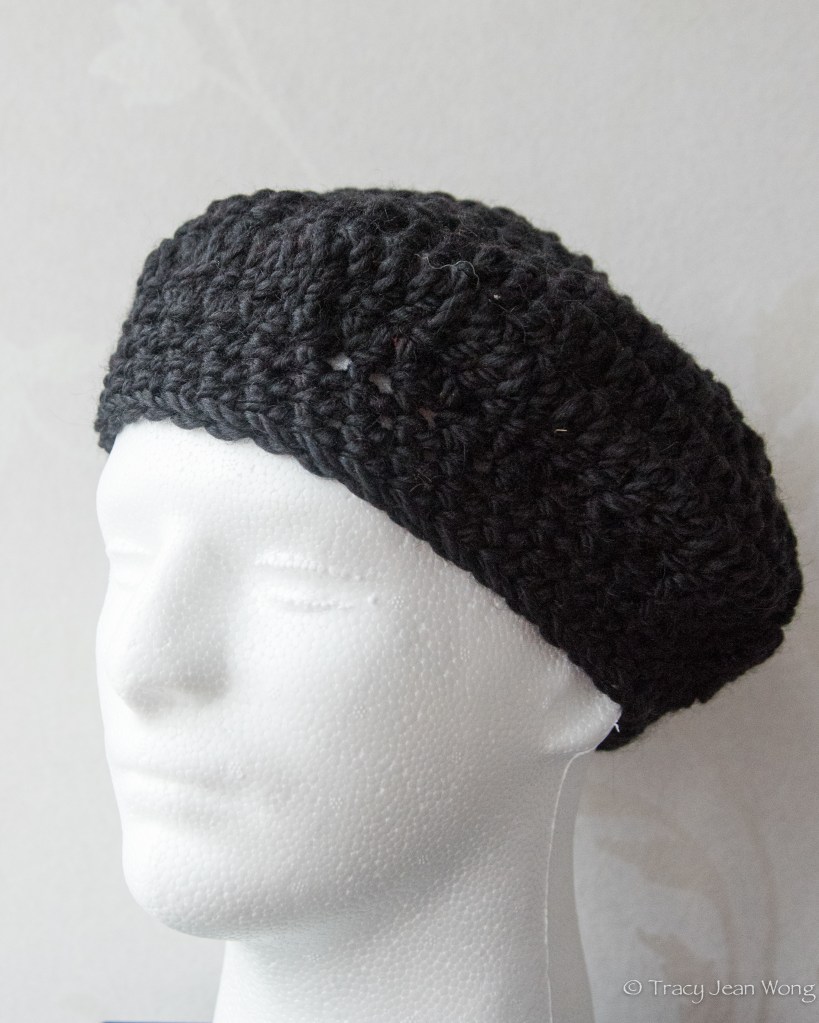
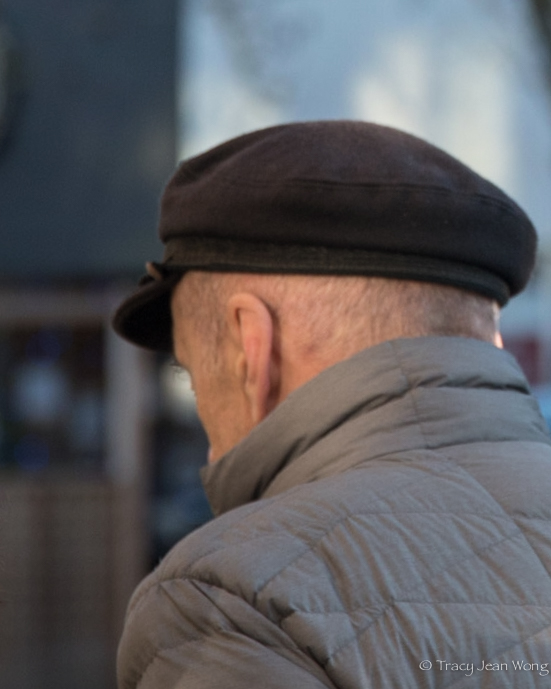
What do Che Guevara, Rembrandt, and Lauren Bacall have in common? The flat wool disc of a hat that is a beret! Over the centuries, the beret has found its way onto the heads of peasants, artists, actresses, revolutionaries, and military personnel. Today, wearing a beret can be chic and fashionable and worn by both women or men.

My Crochet Beret has been morphed into a Slouchy Newsboy Hat by the simple addition of a visor. The Slouchy Newsboy Hat can be worn so that the visor is centred on the face.

To wear the Crochet Beret, place the rim so that it sits 3/4 of the way up your forehead. The back should approach the back of your neck comfortably. Position the beret so that it comes over one ear and tilts to that side. Experiment and adjust the beret for balance and a flattering look.

An array of warm and cool colours

Hat Morphing

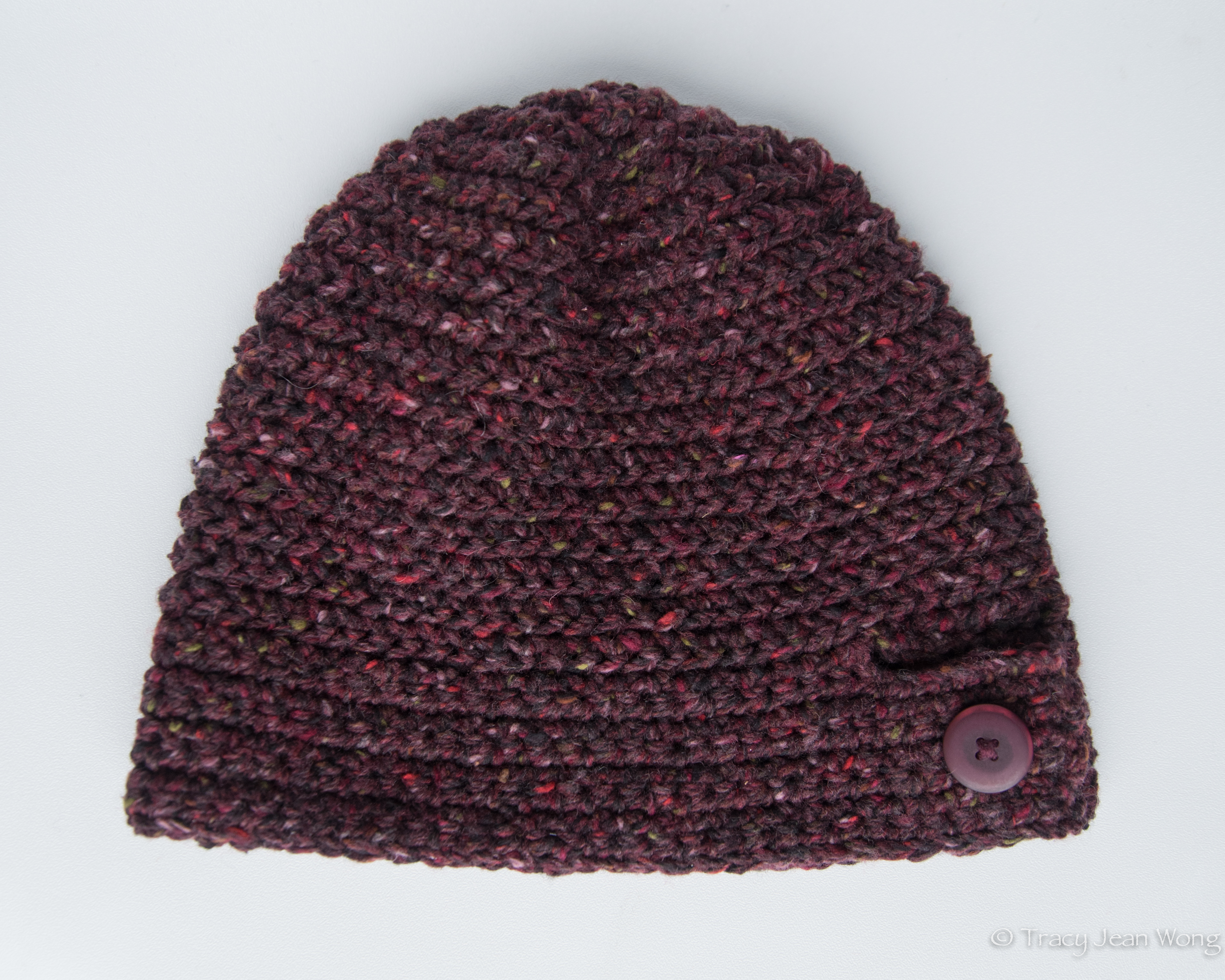
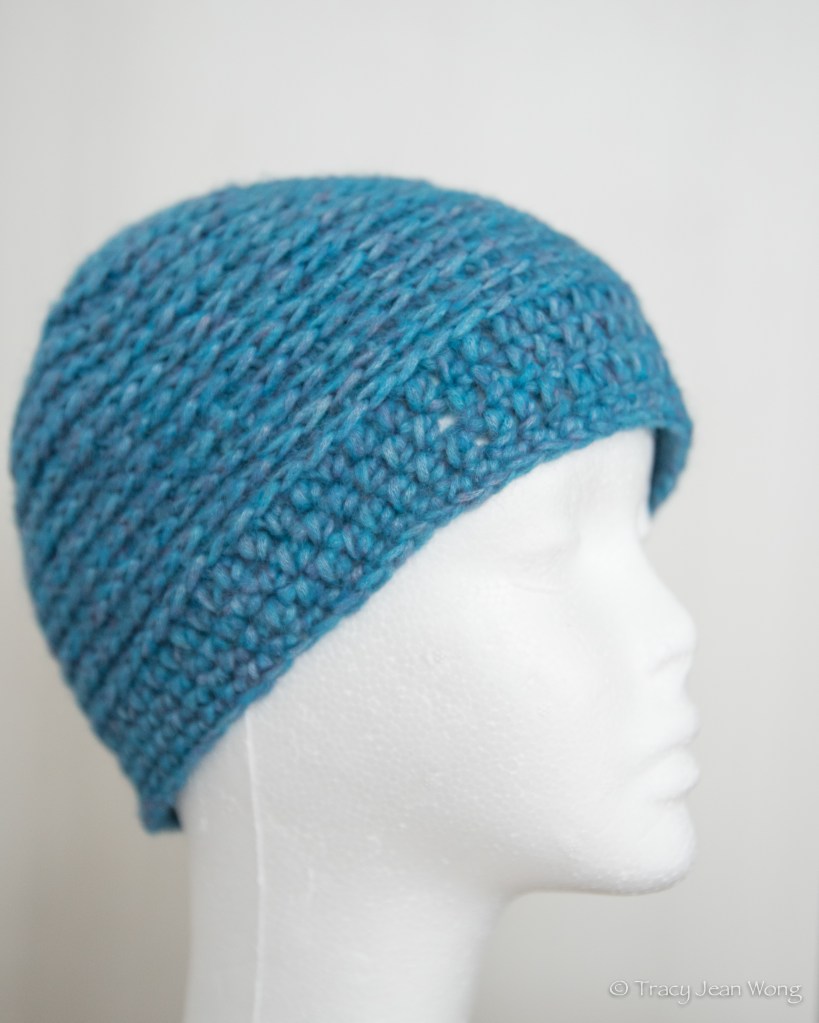
I enjoy taking a good basic hat pattern and morphing it into other interesting looks. Usually the first time around, I’ll construct the hat following the instructions of the pattern. Then, based on the outcome, I modify by adding and subtracting elements. This Savannah Slouch Hat (designed by Rebecca Langford) with herringbone stitch is an example.

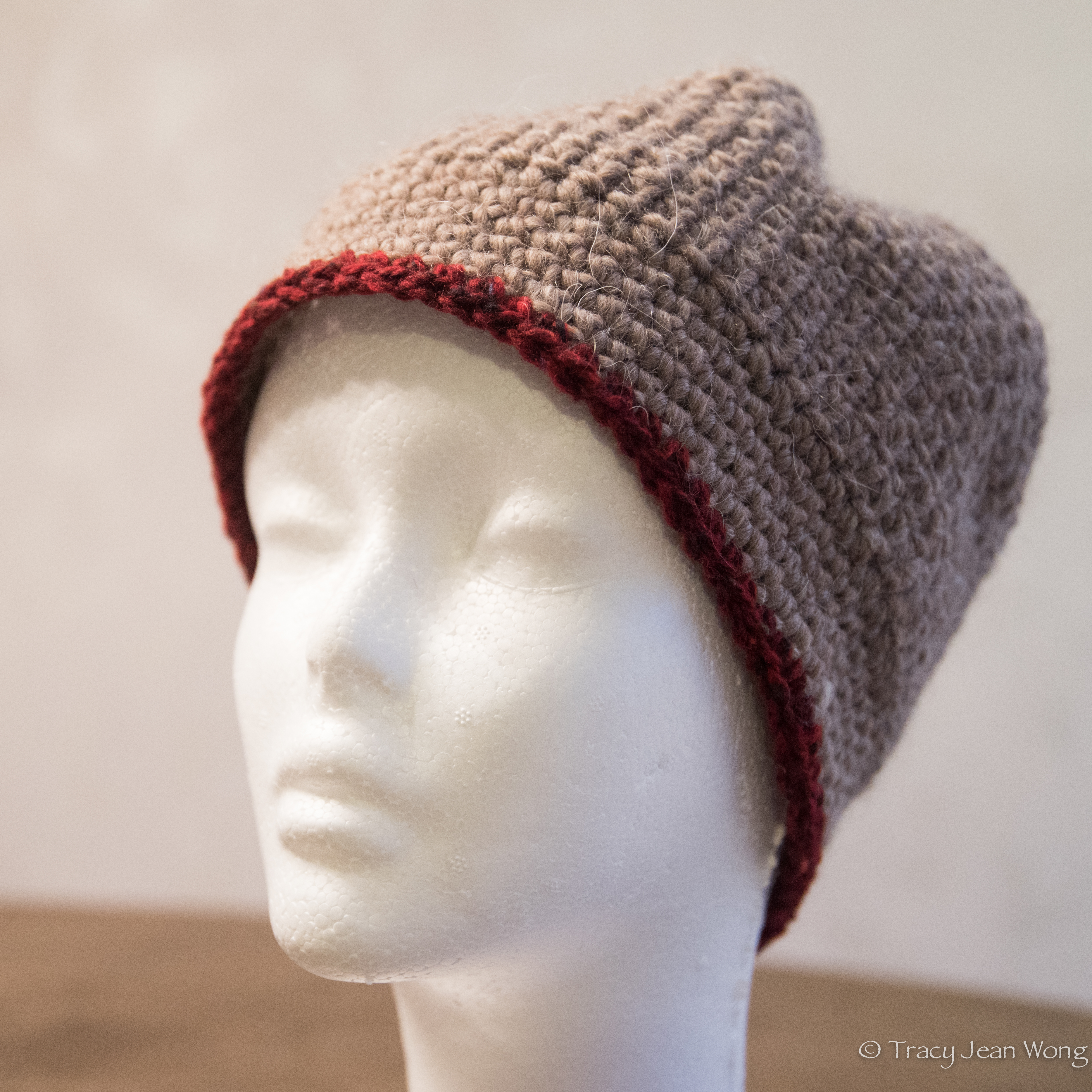
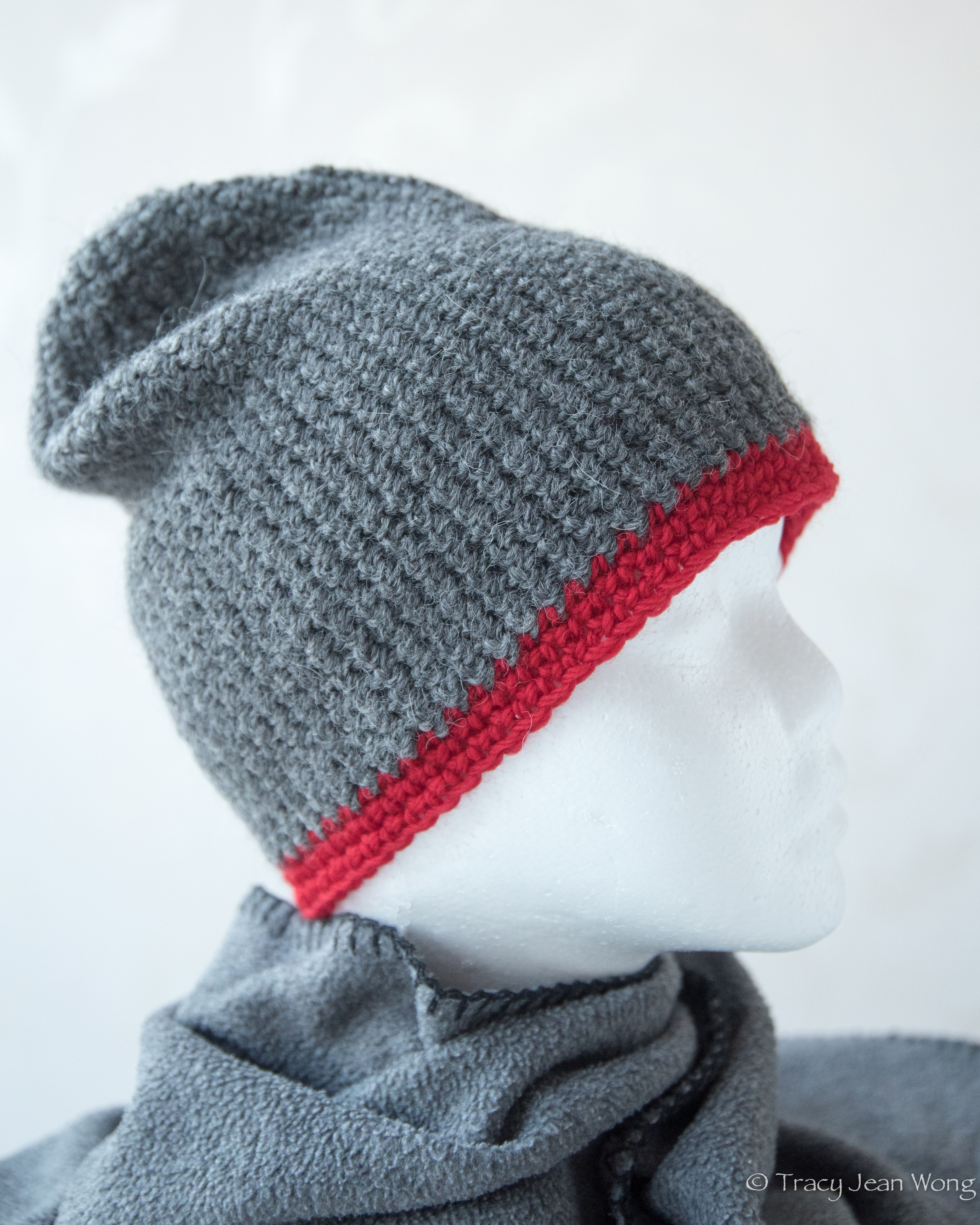
The reverse side of this hat reveals a waffle-like pattern that can be used as the “right side”. It looks different, yet still appealing. I finished the hat below with one row of red trim and took out the button detail.
Crochet the hat longer and it becomes a slouch hat. Keep it short and it’s a beanie. Turn the slouch inside out and roll up the ribbing and it transforms to a cuffed toque.

“O” Slouch Beanie

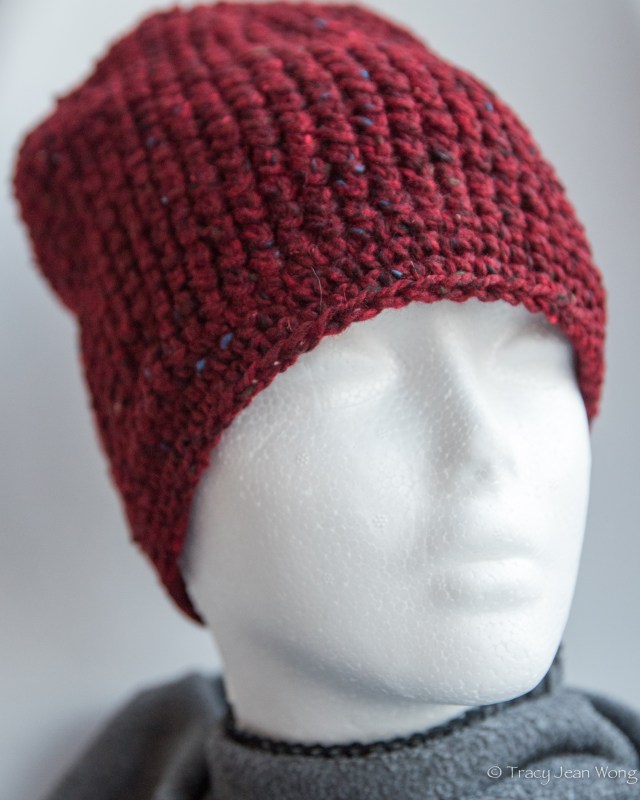
This slouch beanie, designed by Norwegians Lilly Secilie Brand and Bente Myhrer, was inspired by the Olympic Hat. To the left, it is shown in an Irish tweed yarn which blends cashmere and silk with merino wool. “Arranmore is spun in a mill that traces its roots to the homespun tweed industry of 19th century County Donegal.”

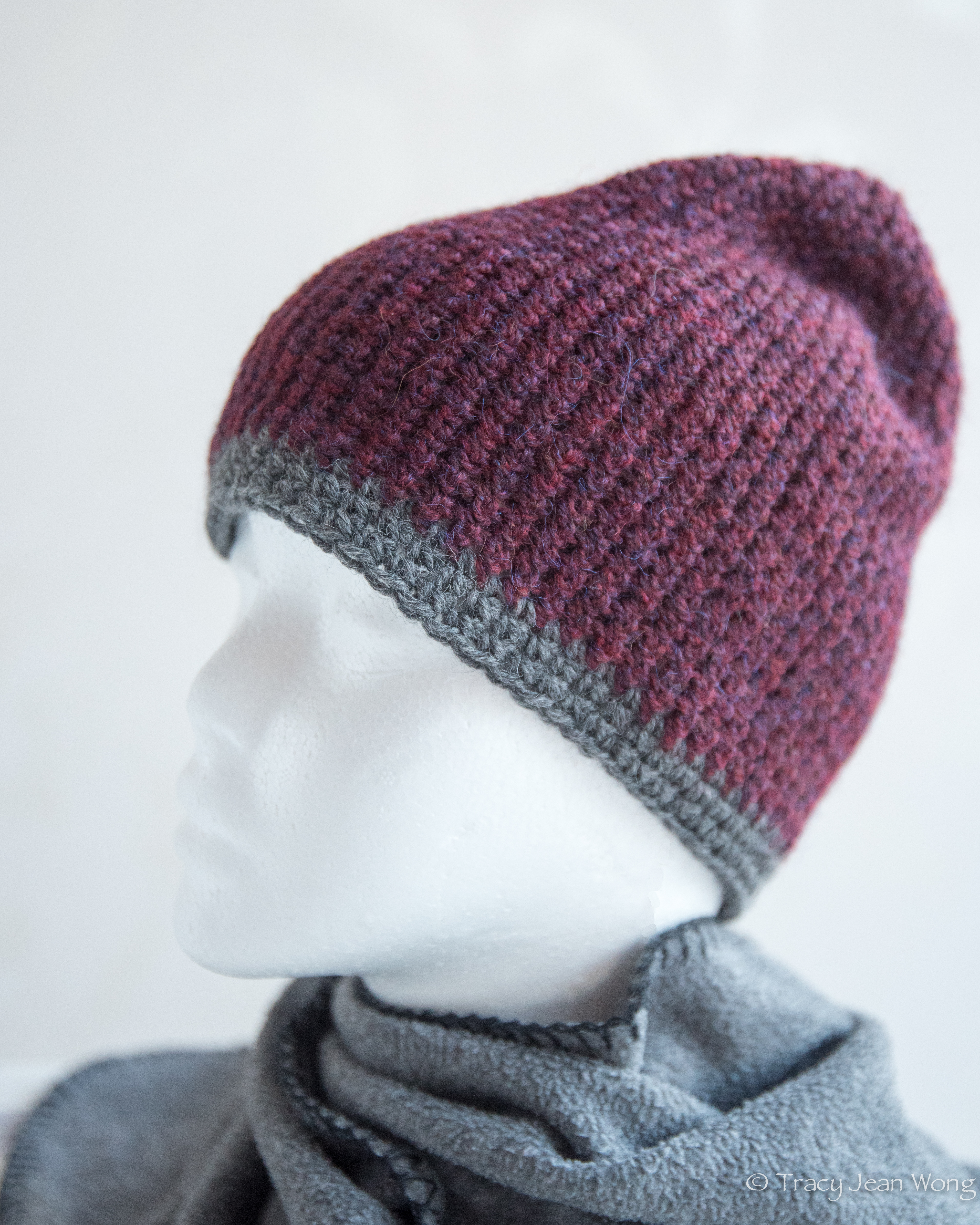
The two hats pictured above are made of soft superfine alpaca and Peruvian Highland wool and trimmed in contrasting colours. This pattern is fun to crochet in different yarns and colours and the hat is versatile and easy to wear.

Hat Colour

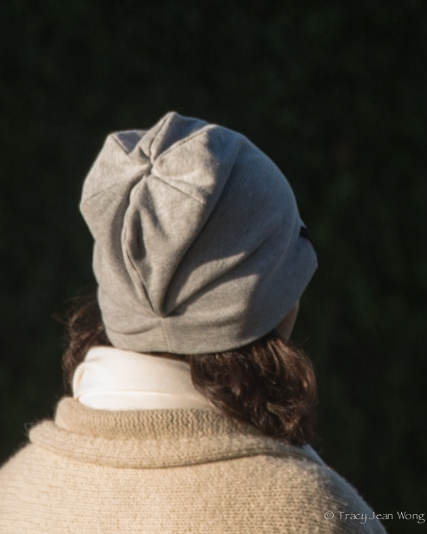
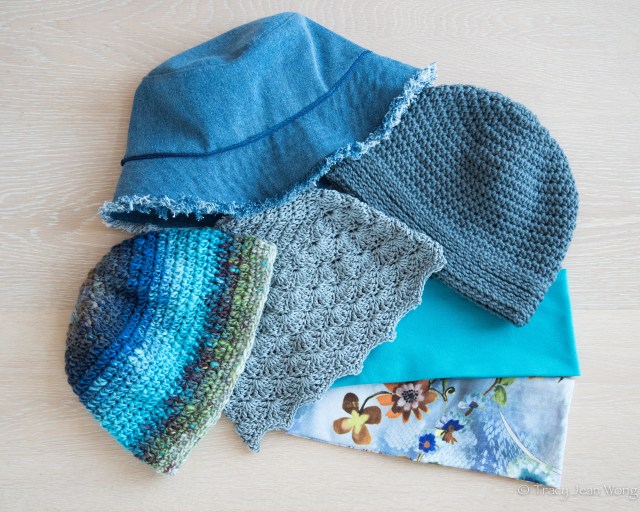
If you are new to wearing hats, you might want your first hat in a neutral colour such as beige, brown, grey, navy, or black. A hat sits close to and frames the face, so choose a shade that is flattering to your complexion and your hair. The hat colour should make your skin tone glow, not drain the natural colour from your face. If it’s dark outside, make yourself more visible with a light coloured topper.

Consider a hat colour that complements an outfit. For example, a grey hat pairs well with a black or navy jacket. A green hat can look appealing with brown or grey. Avoid being too matchy-matchy. Break up a monochromatic look with another colour. Draw inspiration from paint colour palettes.

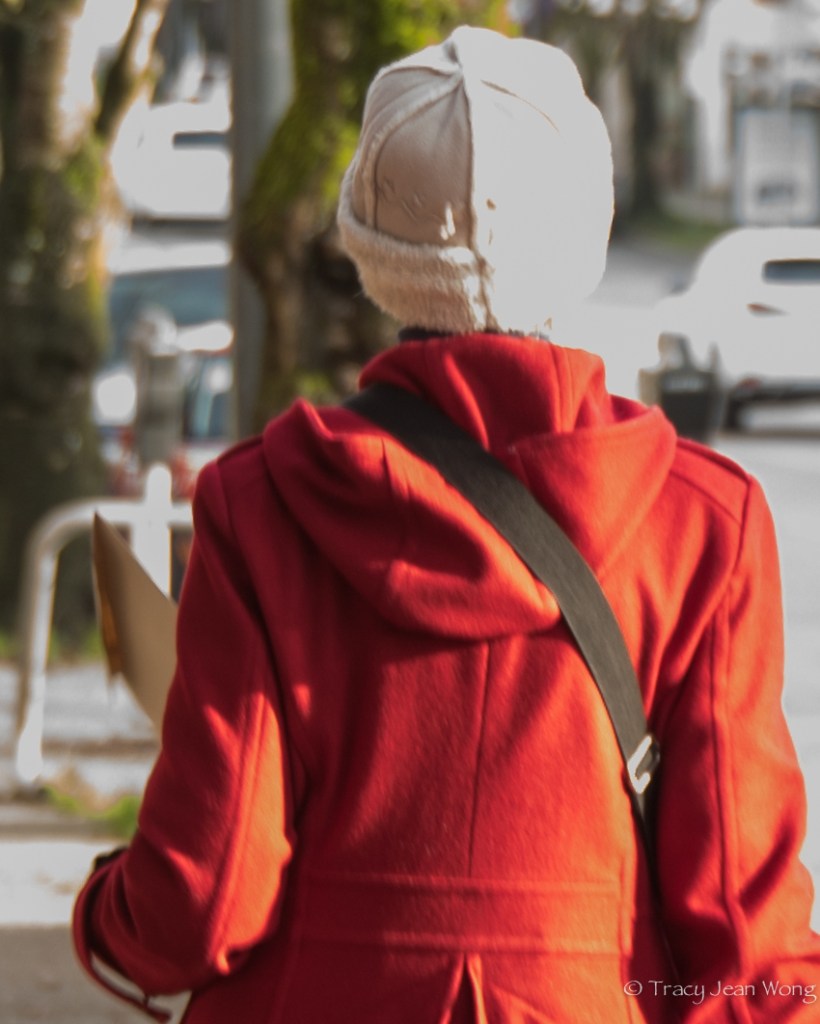
When you are ready to step it up a notch, accent your clothing with headwear of bold contrasting colour. A crimson hat might pop against a black coat. Or enjoy a trim or embellishment of strong colour, say a royal blue ribbon on a camel coloured hat. Make a statement.

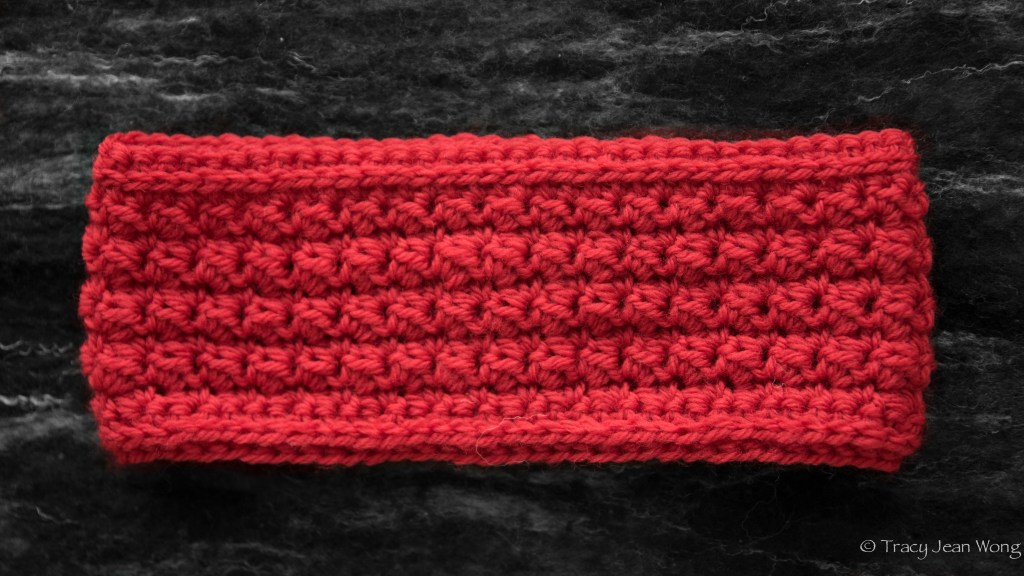
Hope Ear Warmer in Superwash Wool, Yarn + Chai design

The Beehive Hat

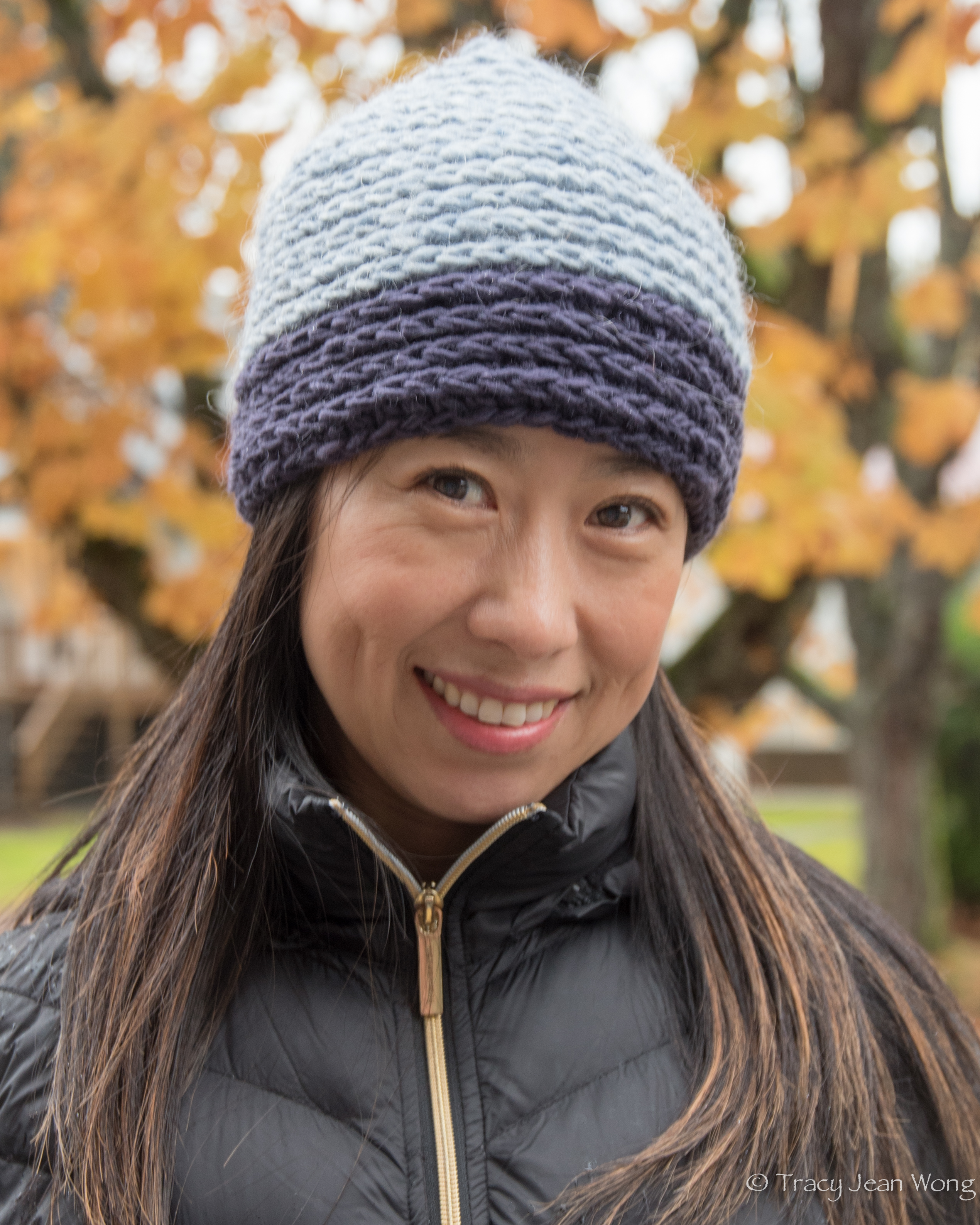
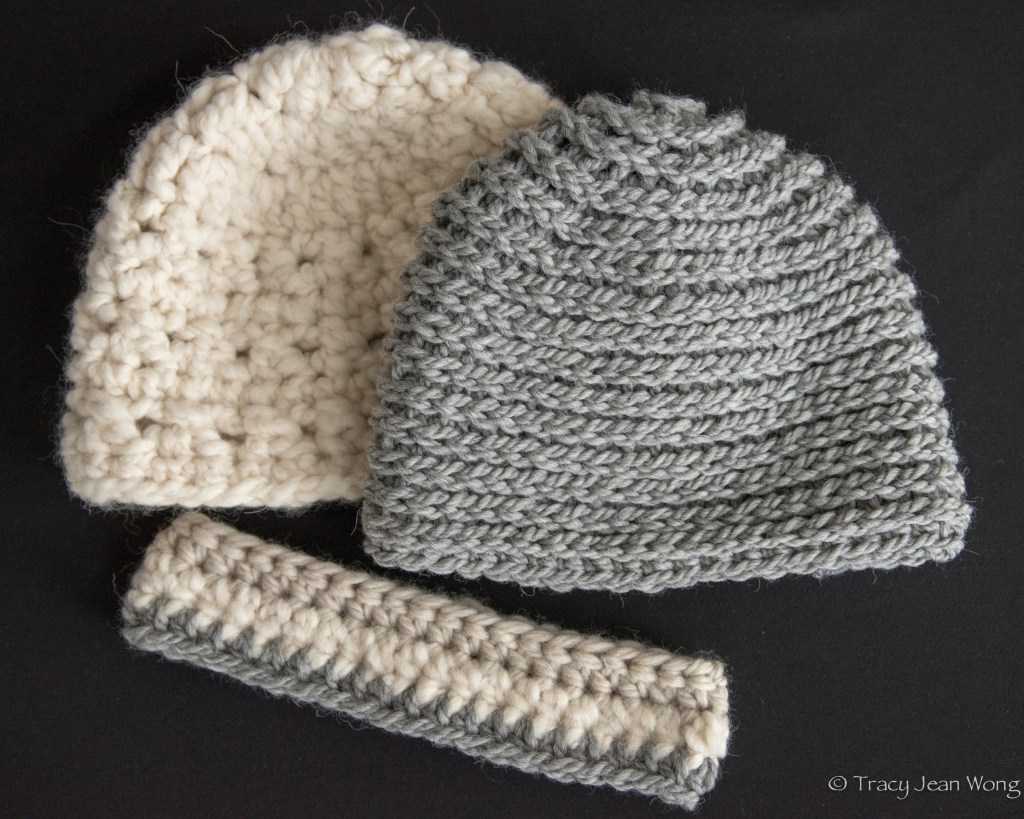
Temperatures are dropping. Time to start thinking about winter hats. My crocheted beehive hats are warm and cozy. A simple repeating pattern done in the round and rich solid colours enhance stitch definition and texture. These “beehives”, made with bulky wool from the Peruvian highlands, Spain, and Iceland, are wind-buffering, water-resistant, and very good insulators. Wool, a natural fiber, is strong and durable. It has elastic properties that let garments made of wool stretch to fit you. 

I include some guidelines below to washing your wool hats. Key points include avoiding machine or dryer use and hot water as these can cause shrinkage and felting. Also avoid excessive wringing and squeezing while wet, as your hat may permanently stretch out of shape.

To hand wash a knitted or crocheted wool hat, be sure to use cool water and a mild detergent or one made specially for wool garments that contains lanolin. Gently swirl the hat in the sudsy water; do not wring or squeeze. Rinse well with cool water. Roll the hat in an absorbent towel and squeeze gently to remove excess water. Then lay flat and shape it back to its original form on a dry towel. Allow the hat to air dry, turning it several times. 

Update for Fall 2020

In-person craft markets have been cancelled this year due to the pandemic. To see my latest collection of crocheted hats and headbands, please visit:

Tenth & Proper Boutique, 4483 West 10th Avenue in Vancouver 

If you are interested in a custom-made hat, sewn or crocheted, I would be delighted to discuss designs and fabrics with you. Feel free to contact me at: hatsbytracyj@gmail.com