Hats for Spring

Spring is the time we shift our wardrobes from knitwear to lighter woven fabrics. Neutral shades make the transition between seasons, but pastel colours, floral prints and cheerful patterns invigorate clothing and accessories.
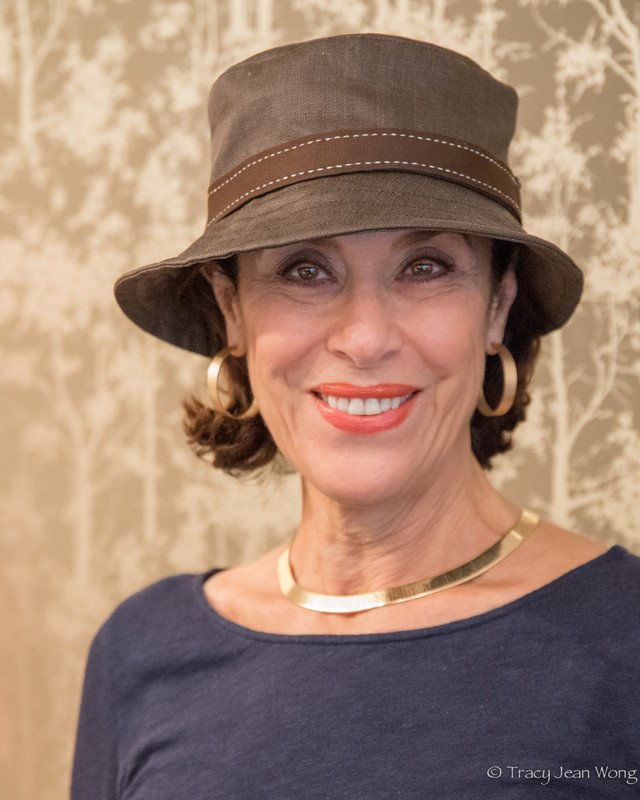
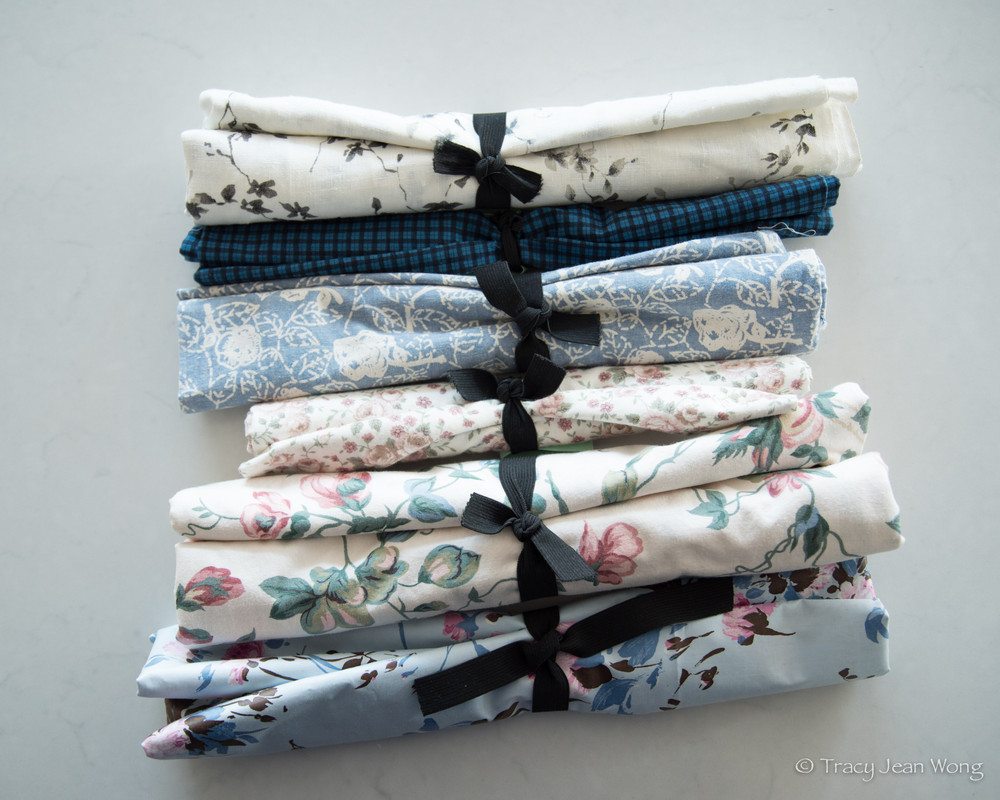
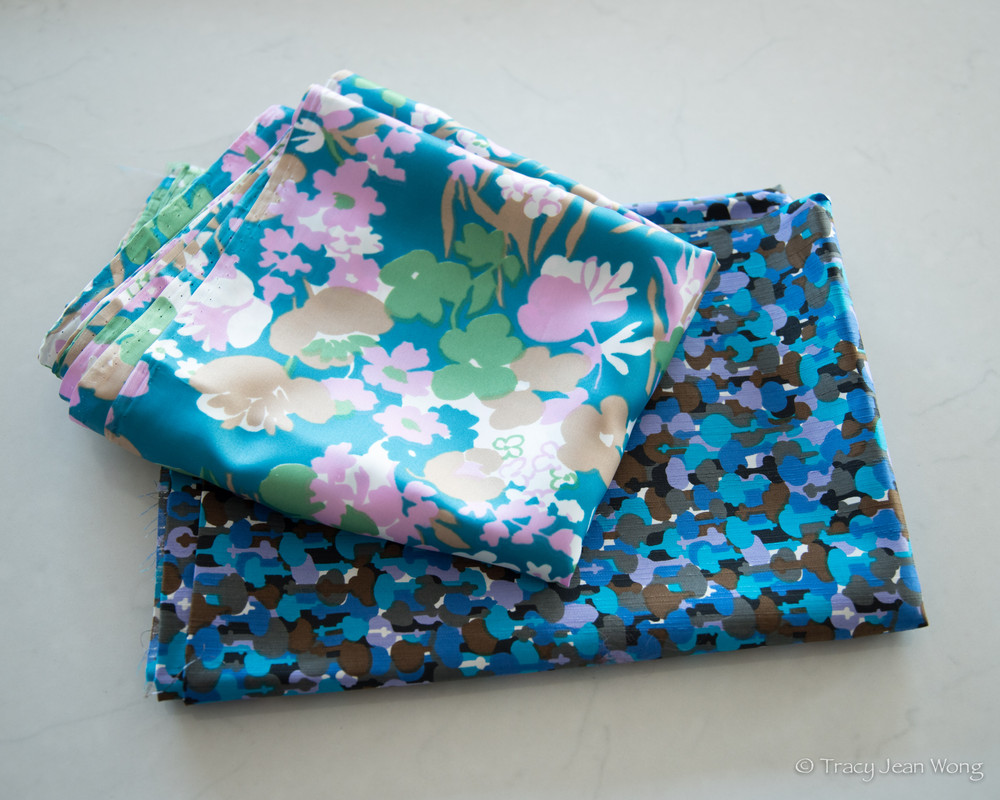
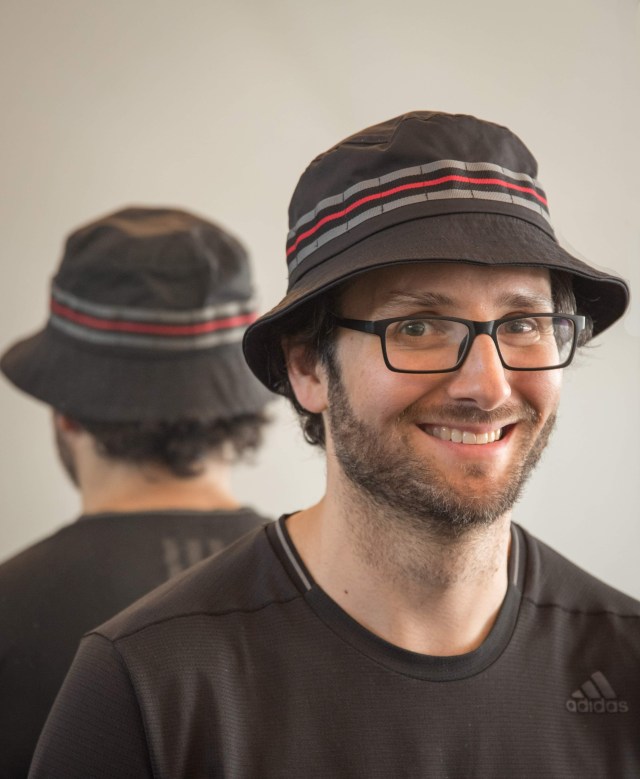
I’m having fun mixing and matching fabrics as I sew reversible bucket hats. Some fabric is from my treasure trove of collected cuts, while other pieces have been recycled or purchased as deadstock fabric. Right now, the common thread of my bucket hats centres on 100% natural textiles—linen and cottons in denim, gingham, and chintz.

My model Coco has many talents, from showcasing different ways of wearing a reversible bucket hat to taking selfies with her iPhone camera.

Textile Recycling

Sewing with deadstock fabric is a sustainable way to make use of leftovers from fabric mills or apparel manufacturers. Deadstock might include fabric with flaws, caused by damage in the production or dying process. Considered to be waste, these unwanted or unused textiles would normally be sent to the landfill.

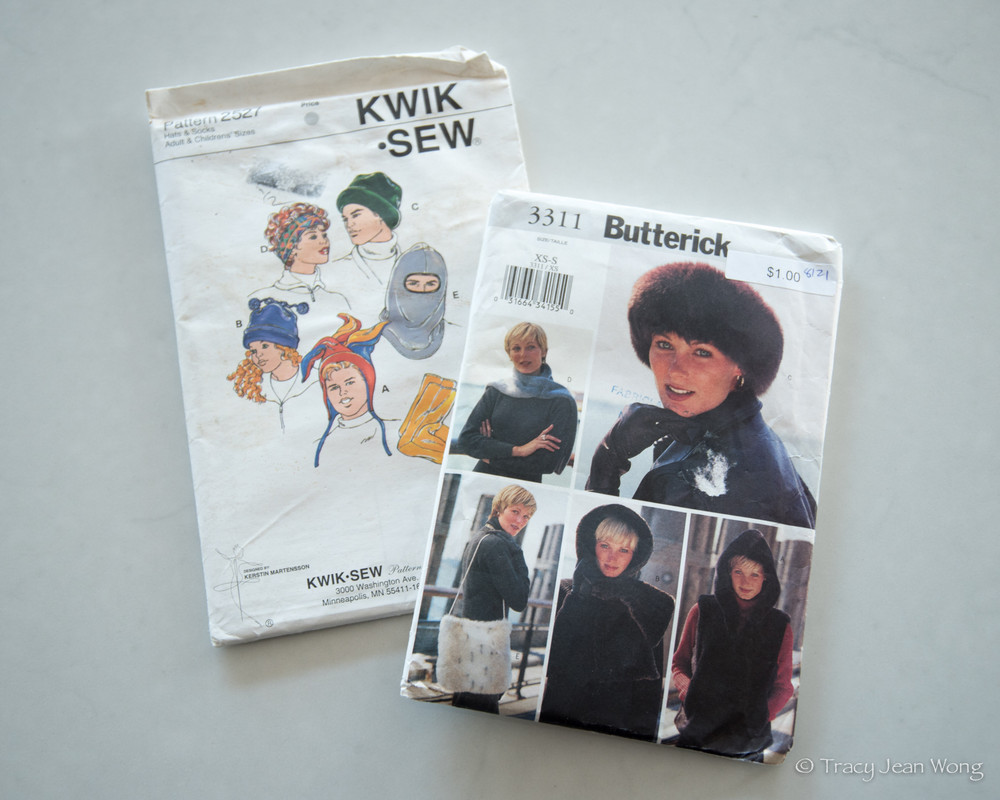
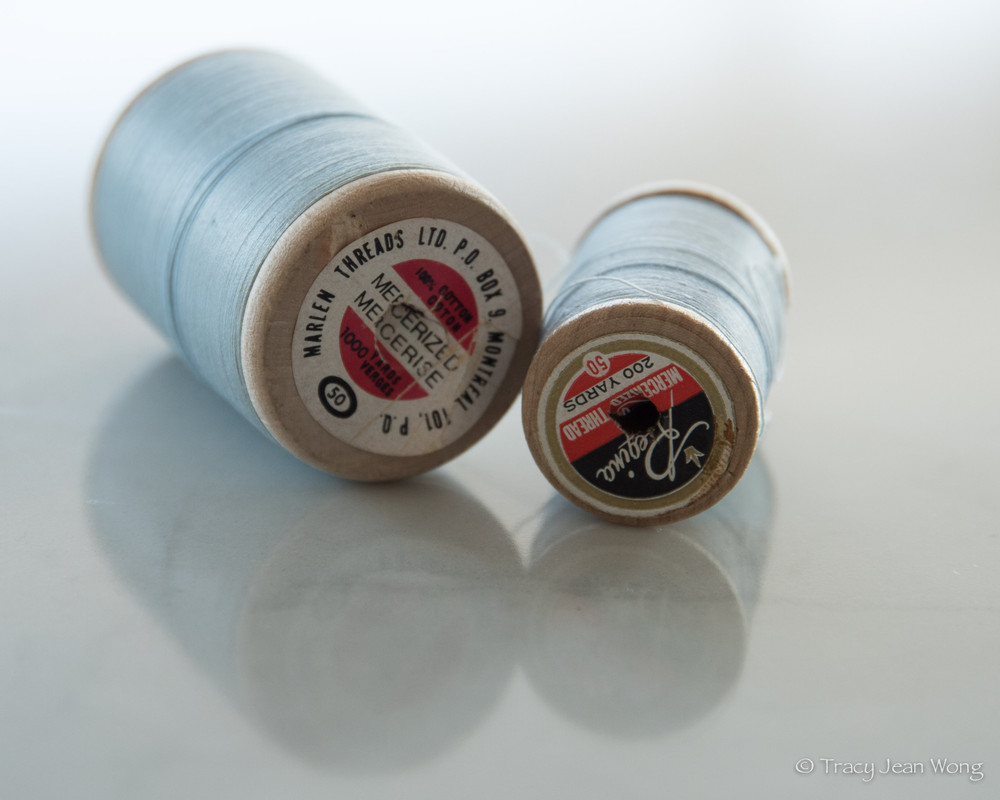
“Our Social Fabric” is a non-profit fabric store in Vancouver, B.C. selling donated deadstock fabric. There, I purchased an array of 100% cotton pieces to make warm weather hats. I also picked up some vintage hat patterns, thread, and woven fabrics. A nostalgic journey back to my youthful sewing self!

Hats in Mexico

Zihuatanejo has some of the most beautiful beaches in Mexico and, indeed, the world. Its sheltered bay along the Tropic of Cancer offers boaters, swimmers, and sunbathers five main stretches of beach to enjoy heat and sun.

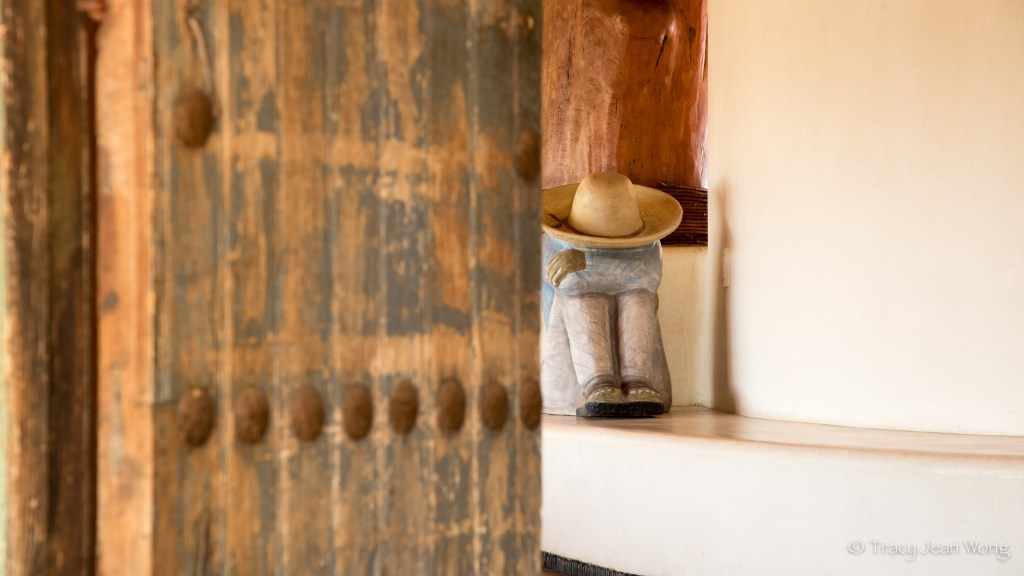
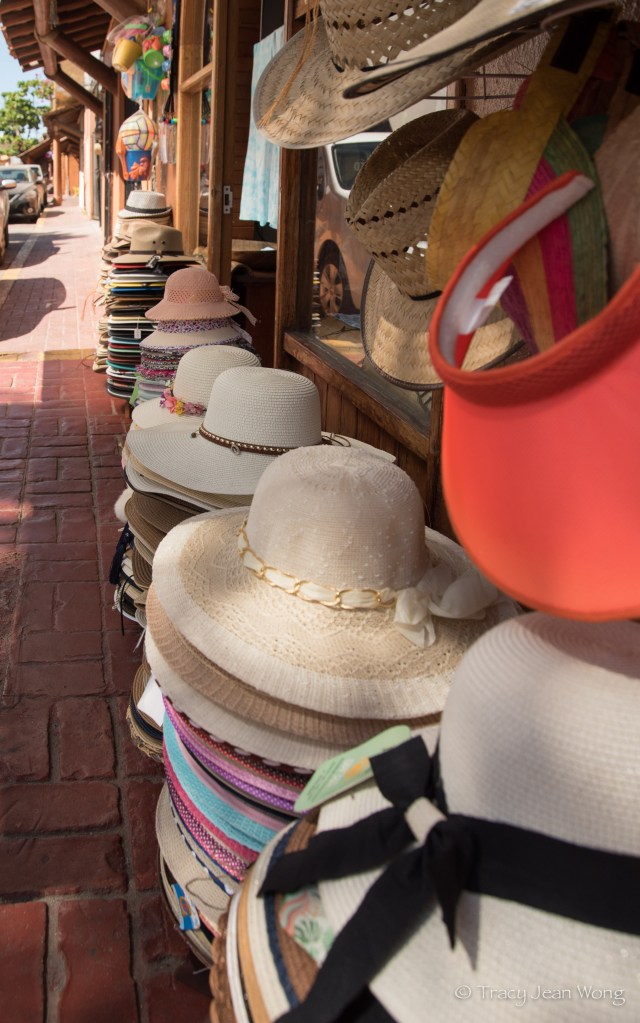
The sombrero with its broad brim and chin strap was originally designed for long days working in the Mexican climate. It gives sun protection not only to the face, but also to the neck and shoulders. In fact, the name sombrero is derived from the word “sombra” which means shade in Spanish. Mexican farmers and peasants wore hats made from straw, while the upper class had felt and velvet hats adorned with embroidery, beads, and sequins. Mariachi musicians and the Mexican Hat Dance have made the sombrero an iconic piece of Mexican culture. Ranchers adapted the sombrero to the leather cowboy hat with its upturned sides.

Warm White

A hat in warm white is a tried and true accessory. Warm whites can have undertones of taupe, green, or yellow. Think of a sandy beach on Hawaii’s Big Island, an antique alabaster bust, or crisp linen curtains. The world of warm white is your oyster!

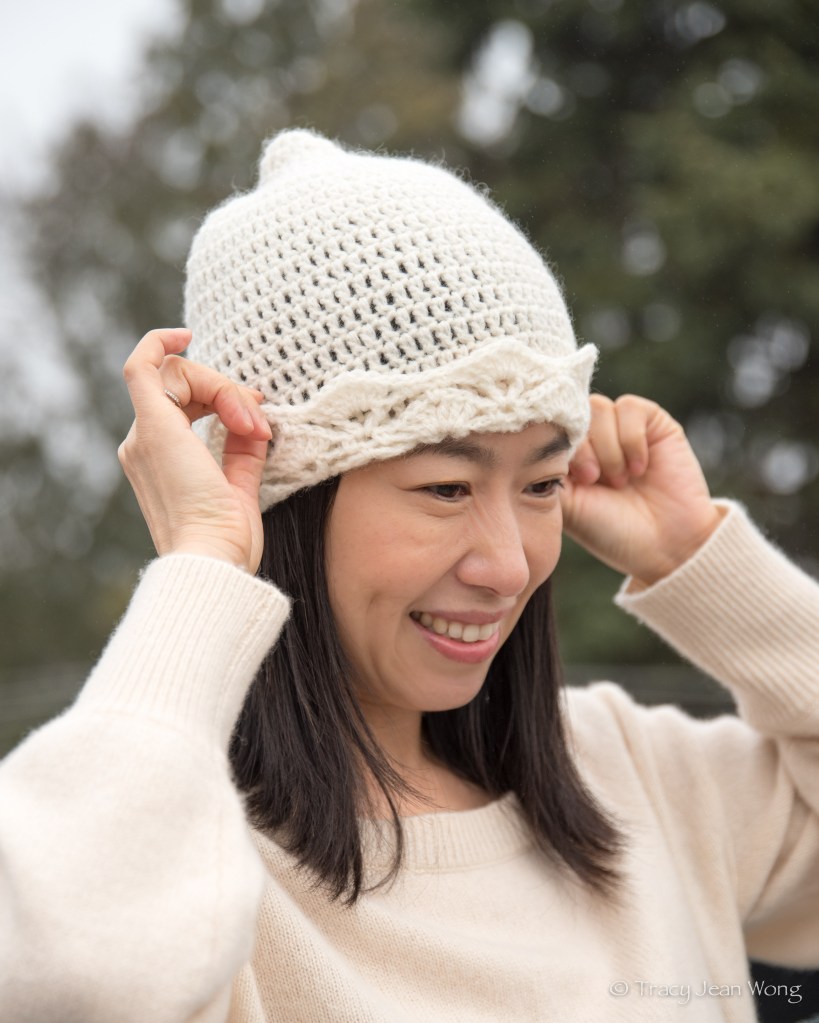
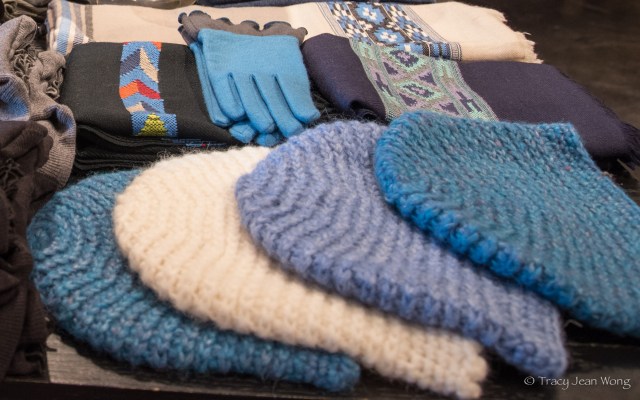
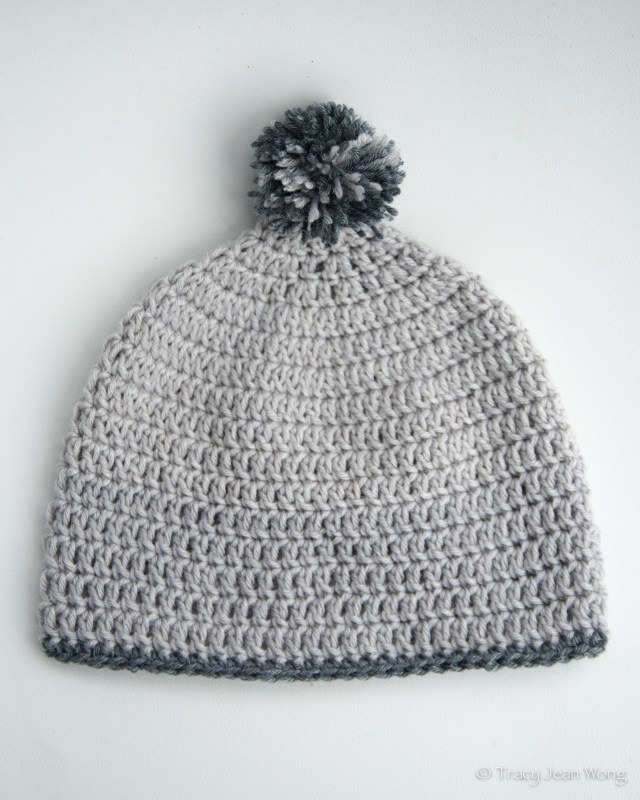
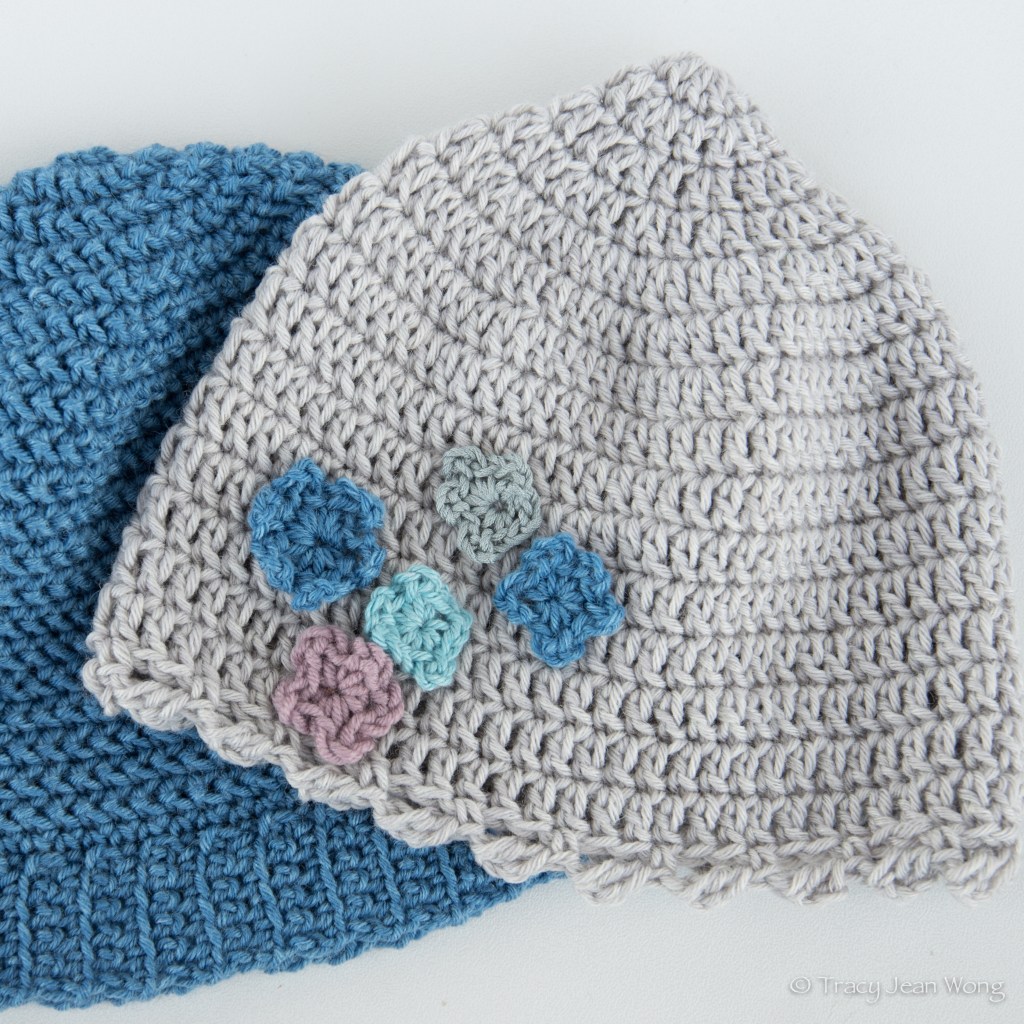
Here are two hats I crocheted in warm white yarn. The “Rani Hat” with a fan pattern trim is made from a delicate blend of wool, alpaca, and polyamide. The “Summer Slouch Beanie” is shown in a tweed of wool, silk, and cashmere. It transitions well between seasons.

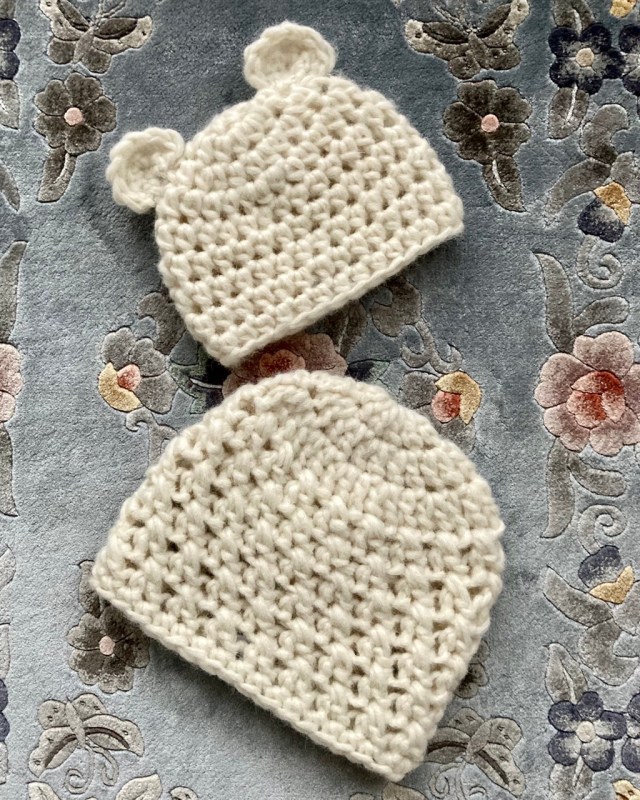
The softest baby alpaca and mulberry silk blend is perfect for Mama and Baby hats. This thick yarn is light as a cloud and keeps Baby warm and comfortable. I couldn’t resist adding bear ears to the little beanie.

More Hats to Crochet

With 2021 craft markets done, I spend more time on photography, another favourite pastime. For me, the creative processes of hat making and photography overlap. Seeing the world through a camera lens inspires me to experiment with new colours, designs, and techniques.

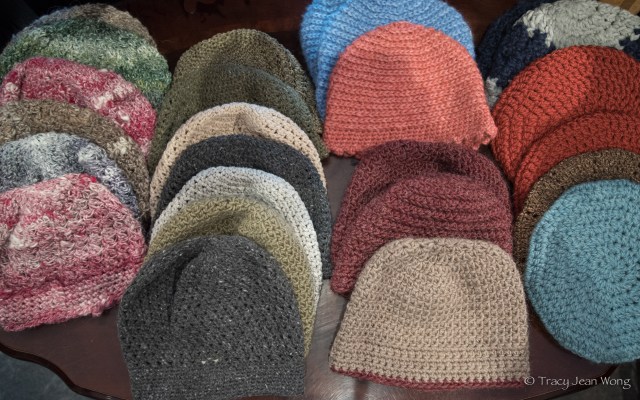
My current stash of yarns

In winter, I’m drawn to muted hat colours in the shades of dark forest, snow-capped mountains, cloudy sky, and seafoam on a windy day. Spring livens up my palette with the bloom of bluebells, purple crocuses, and red tulips.

Lately, I’ve gravitated toward tweed yarns. Specks of colour dot a solid colour or many colours are melded together. I especially like the “heathered” look where fibres of different subdued colours are blended. Some designs for worsted weight tweeds are already percolating in my mind. They include modern vintage styles, like tams and brimmed newsboy hats.

Shop Local

We learned a lot about the importance of supporting locally owned businesses during the pandemic. While sometimes it is easy and economical to shop at big online retailers, why would you choose to shop local?

I like walking in my neighbourhood, browsing one-of-a-kind businesses and finding a range of interesting products and services. I enjoy being connected to the people who live and work in my community. I like that supporting small businesses provides opportunities for entrepreneurs and innovation.

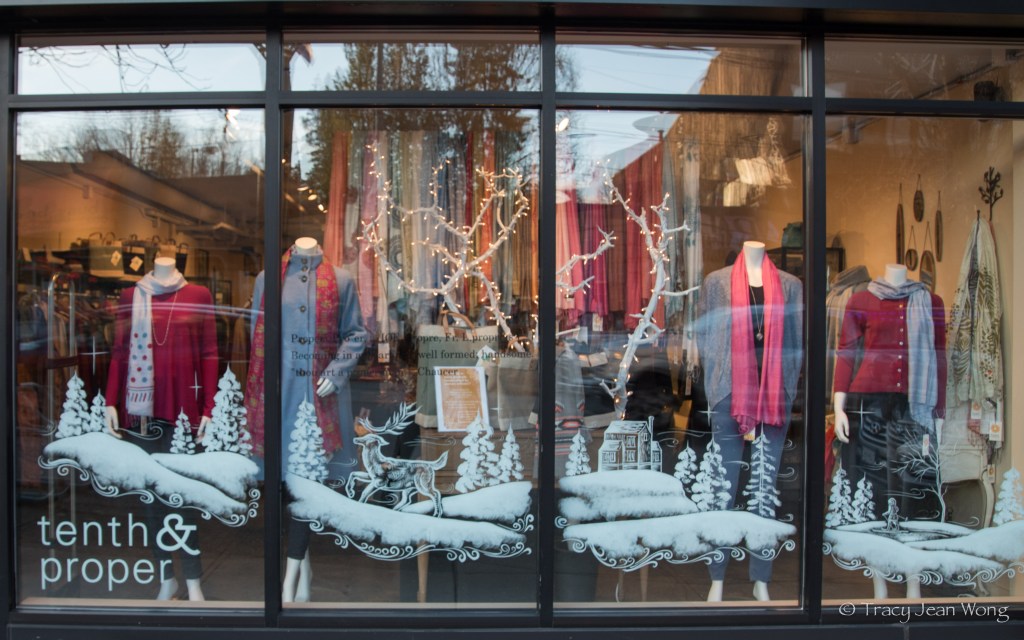
For Hats by Tracy J, there are some small business owners in Point Grey Village who have encouraged my creativity and promoted my handmade headwear. Hats off to them!

Celebrating Community

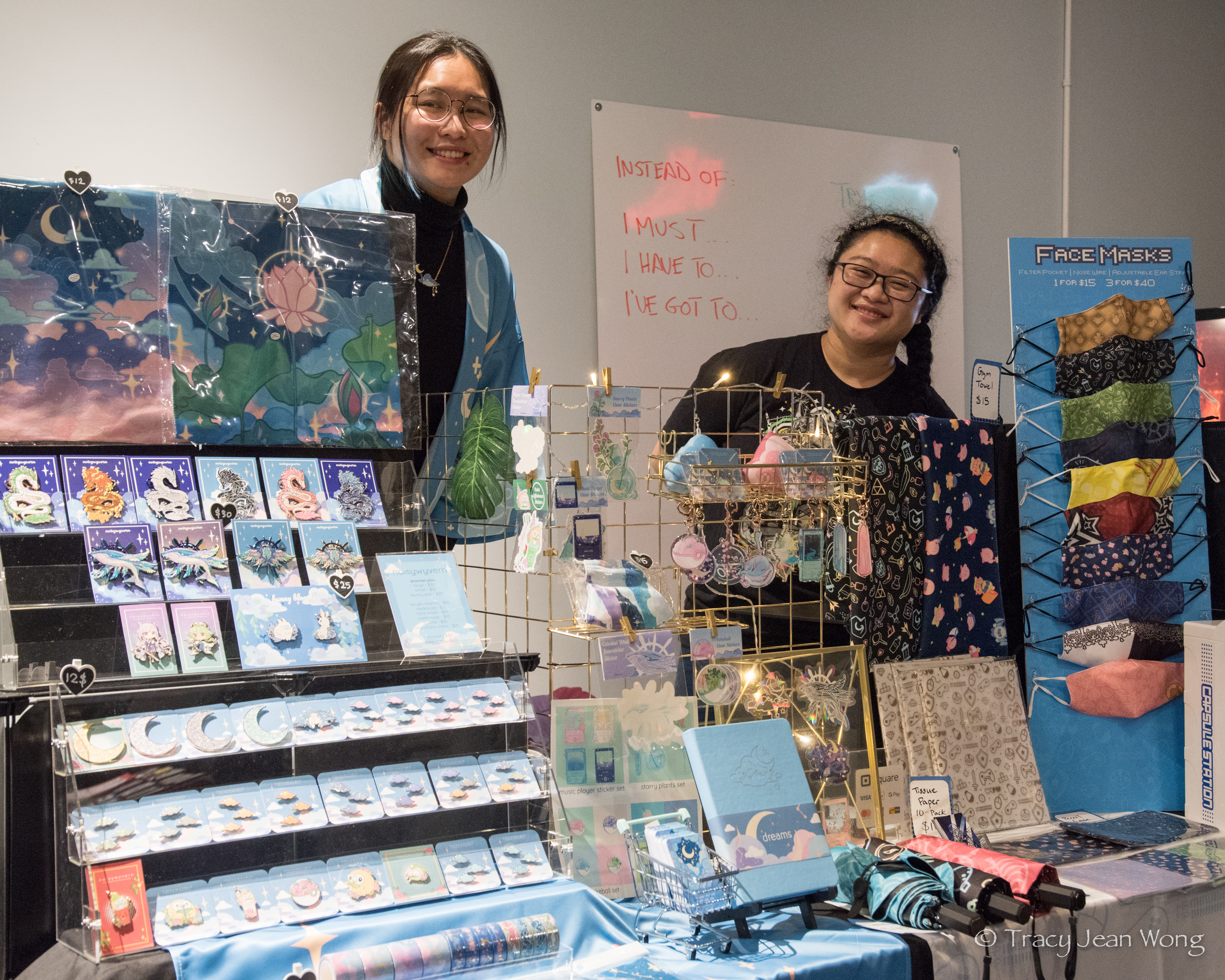
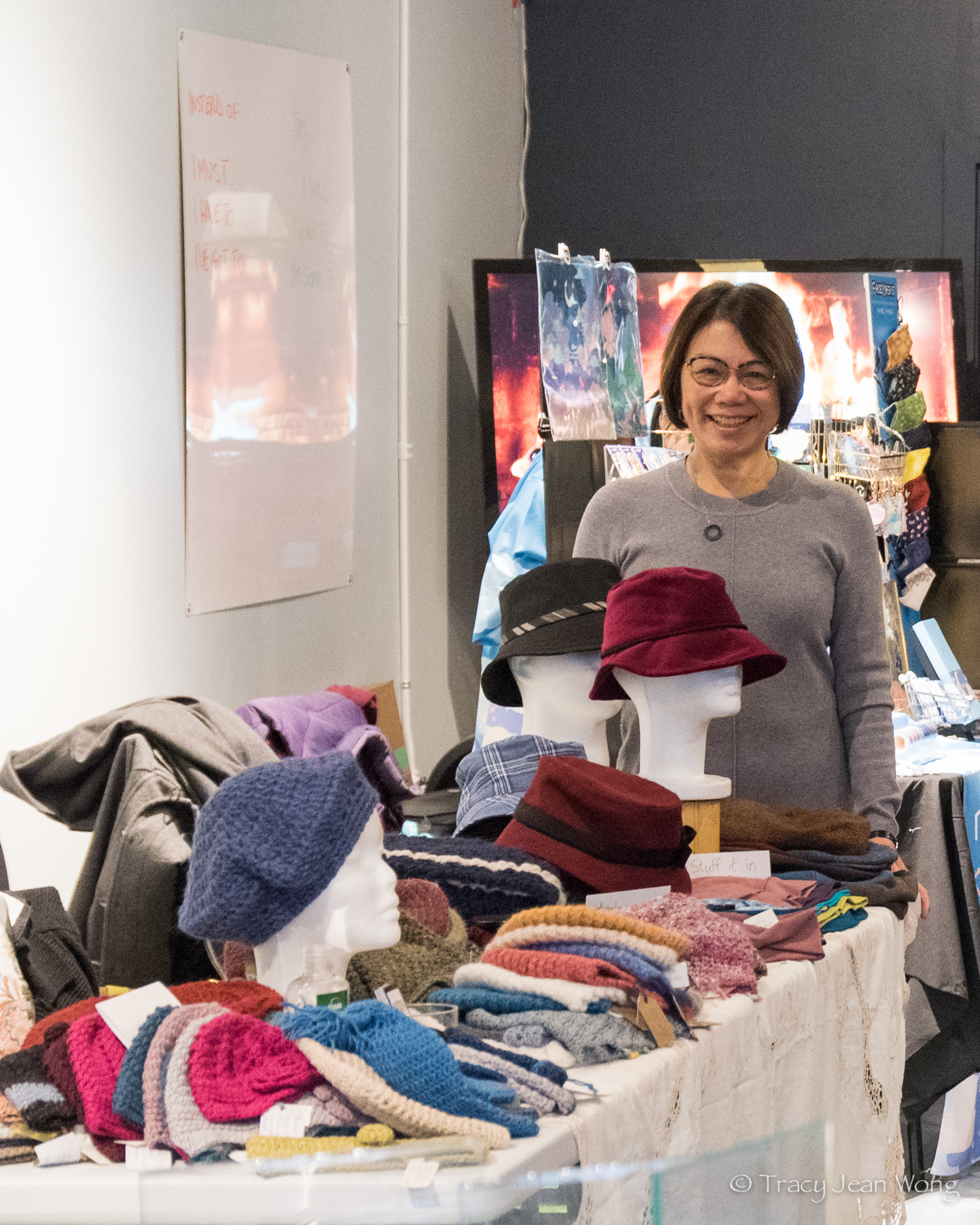
The Point Grey Village Holiday Pop Up Shop attracted a crowd, despite the rainy weather. It was gratifying to see so many people supporting local business and creative entrepreneurial spirit. Thanks to all of you who made the first ever pop up in our neighbourhood a successful community event!

Point Grey Village Pop Up

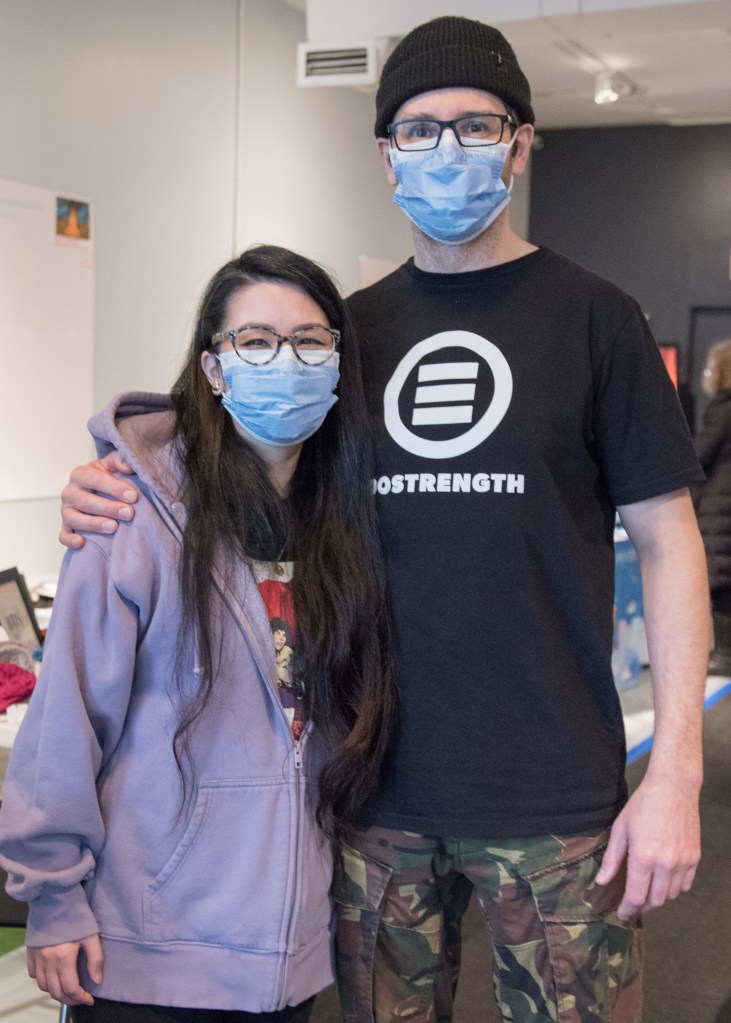
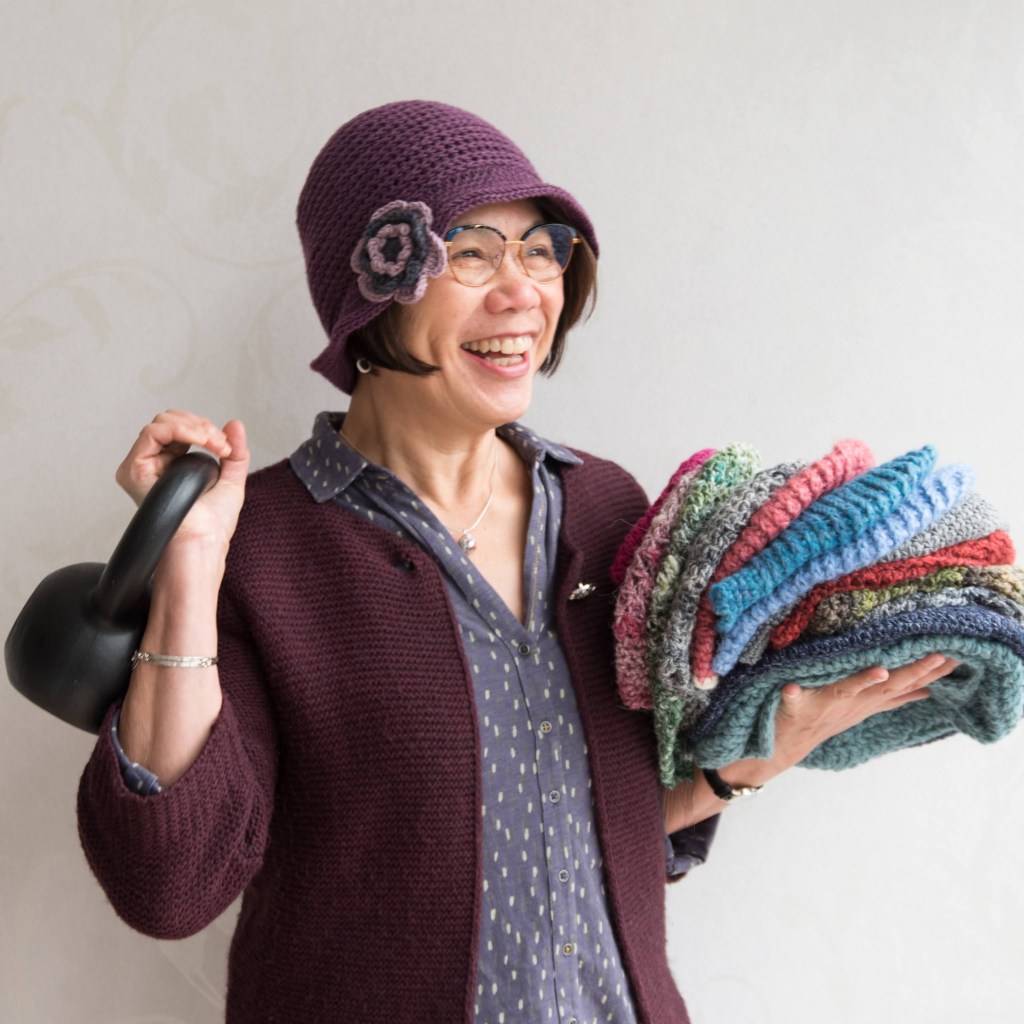
Crochet, community, and fitness…these are a few of my favourite things. One morning at my neighbourhood gym, some of us dreamed up the idea of a holiday pop up shop. After brainstorming and planning, this special one-day event is going to happen. It will be a community celebration showcasing the work of local talent, with Steve McMinn hosting at his DoStrength gym. Two artists, a luthier (classical guitar maker), a children’s book author, and Hats by Tracy J will showcase and offer their work for sale.

You’re invited to kick off the holiday shopping season with unique handmade treasures and gifts. Hope to see you there!

Hats for Girls and Boys

Warm, soft, and easy to care for…these are some of the qualities I consider before making children’s hats. Babies especially have sensitive skin. Merino wool is soft and itch-resistant. All the hats illustrated here are crocheted from a blend of merino wool and silk which gives the finished product an extra smooth feel.

Crocheted and knitted hats are made smaller than the wearer’s head because they stretch to fit. This is called negative ease. For children, I incorporate less negative ease so that, as the head grows, the hat will still be wearable.

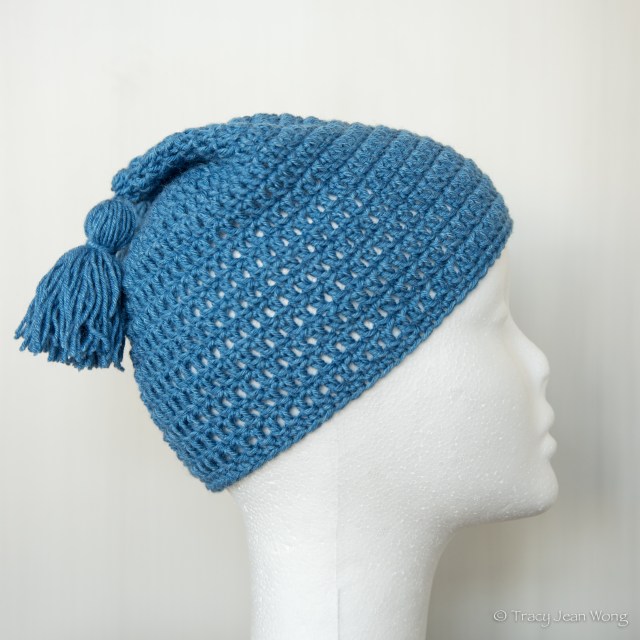
Some of my children’s hats are made with simple repeating stitches and tend to be gender-neutral. I most often pick colours that are lively, but not too light in colour so that dirt won’t easily show. Decorating hats with flowers, pompoms, or tassels adds a dash of personality.

Creating a Custom Hat

Thoughtful planning and consultation is the first step in building a custom woven hat. My first inquiries are around form and function. Lately, the bucket hat has been a popular choice. The style has transcended time. Most people wear it effortlessly, whether it’s dressed up or worn casually.

Where and when one envisions wearing the hat helps narrow down fabric choices. That being said, most people are aware of what they like and what looks good on them. I offer an array of fabric samples to select from. But I’m also happy to personalize a look with a shopping expedition to select a fabric, lining, and trim. An accurate head measurement is essential to ensure a proper fitting and comfortable topper.

In the hat featured, my discerning customer had already decided that she wanted a structured bucket hat with a brim longer at the front than the back. She wanted a hat with colours that would complement her cool weather jackets and coats. Looking at the fabric samples, she was immediately drawn to the colour combinations and scale of the blue plaid and its linen/cotton texture. I chose a soft, almost silky, blue fabric called Cupro (made from recycled cotton linter) to line the hat. A heavy buckram interfacing gives the brim enough stiffness to “sit on her desk” at work. I gave my customer a choice of no trim, a self-fabric band cut on the diagonal, or millinery grosgrain ribbon in navy or black. As the bucket was nearing completion, we both decided to leave the brim free of multiple lines of topstitching. Here it is, ready for wearing on crisp autumn days.