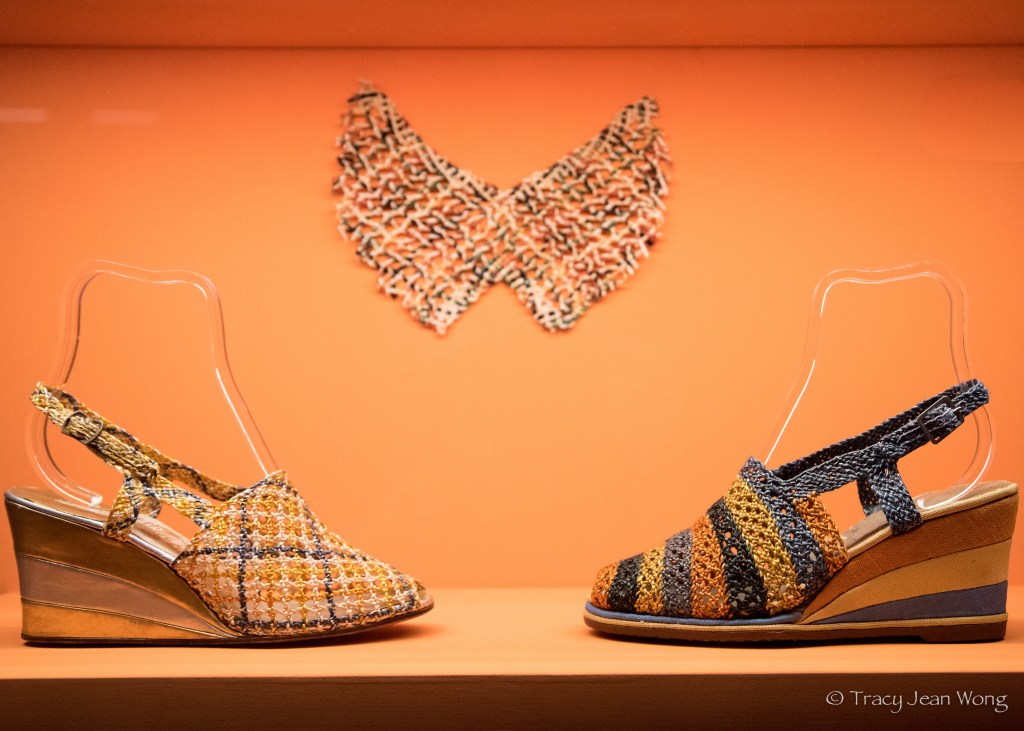
Wedge sandals at the Salvatore Ferragamo Museum, October 2024
I visited the Museum of Salvatore Ferragamo (1898-1960) while in Florence. There I saw a magnificent display of shoes crafted with architectural and engineering perfection and artistic ingenuity. During his lifetime (1898-1960), Ferragamo used all sorts of materials, such as hemp, straw, animal skin and cellophane, to substitute for leather. He invented the “invisible” sandal with the upper made of nylon fishing line. He introduced the platform sole and patented the cork wedge in the 1930s. Cork wedge sandals with uppers of stripes and motifs were often woven, embroidered, and crocheted. As you can see in the photo of Coco on the left, I was inspired by the bright multicoloured shoes!
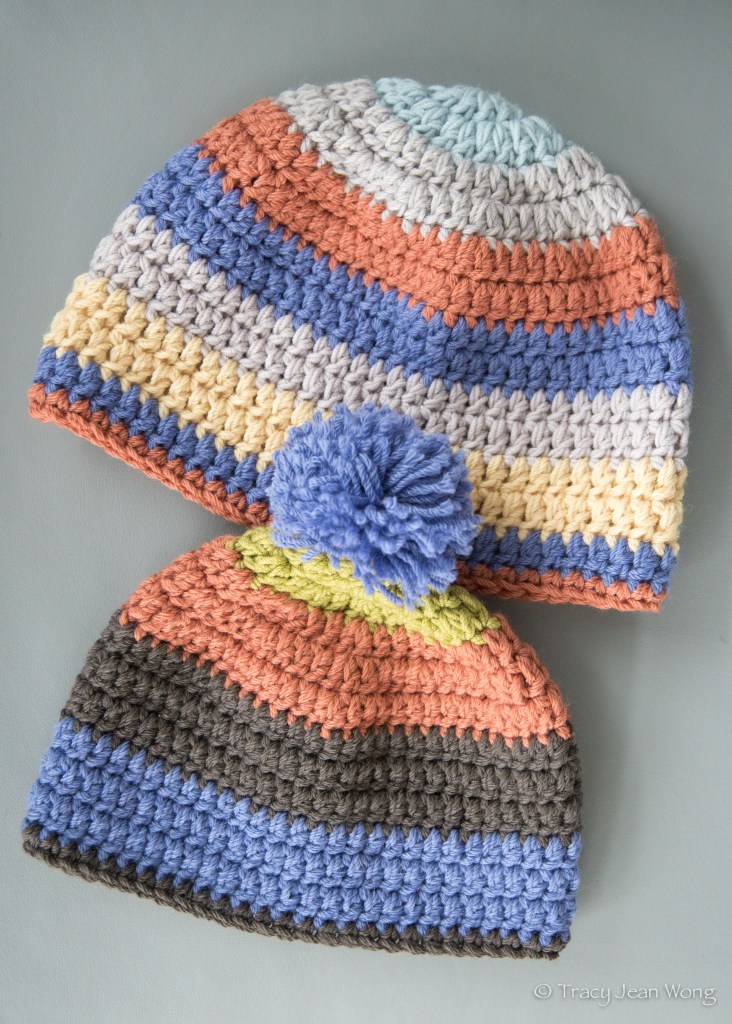
I crocheted this striped child’s hat using a herringbone stitch. The yarn is 70% Merino Wool and 30% Mulberry Silk. The silk gives the hat a lustrous look and feel. I incorporated a fluffy fibre to add plushness to the pompom.
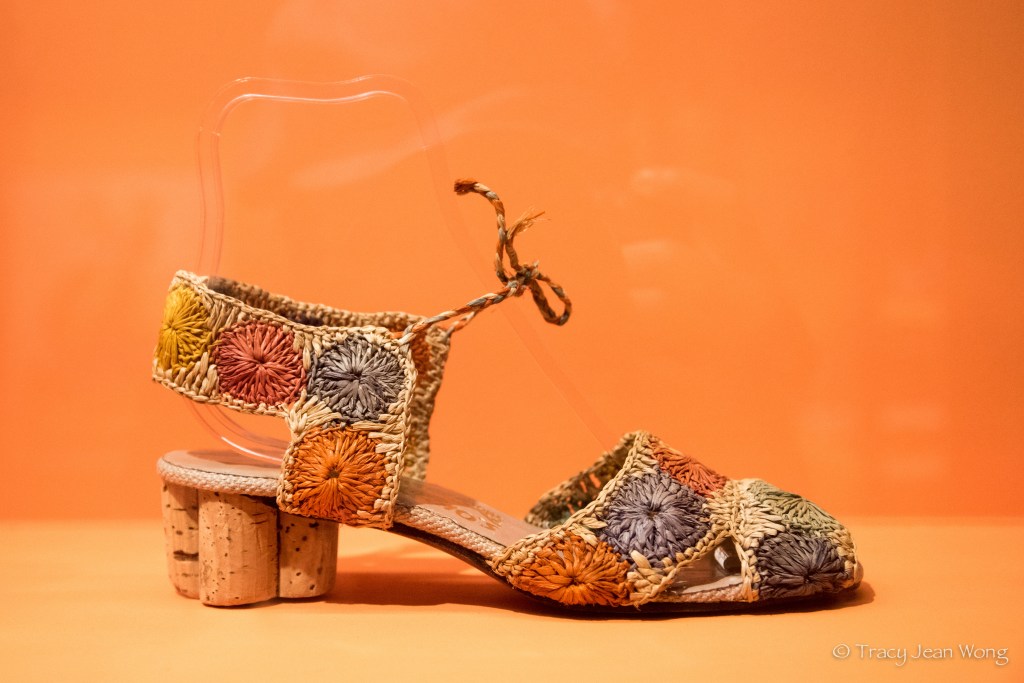
Sandal with a cork heel and raffia upper at the Salvatore Museum.
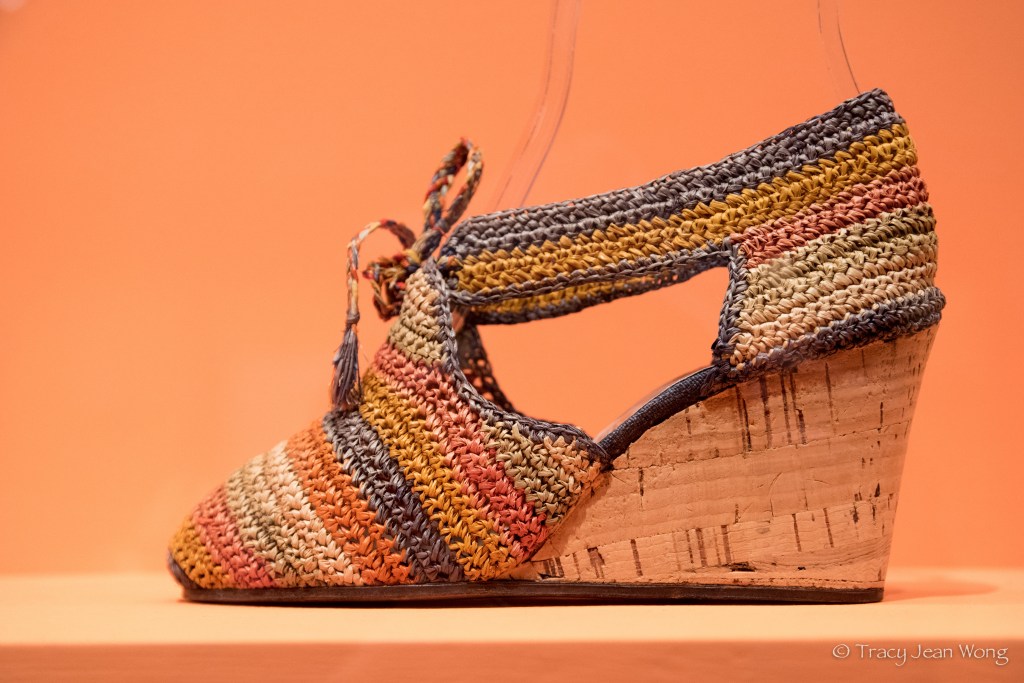
Wedge sandal with upper crocheted in multiple bright colours, Salvatore Museum.
I used a double strand of Merino Wool to crochet these two beanies, the top one for an adult and the other with the pompom for a child.
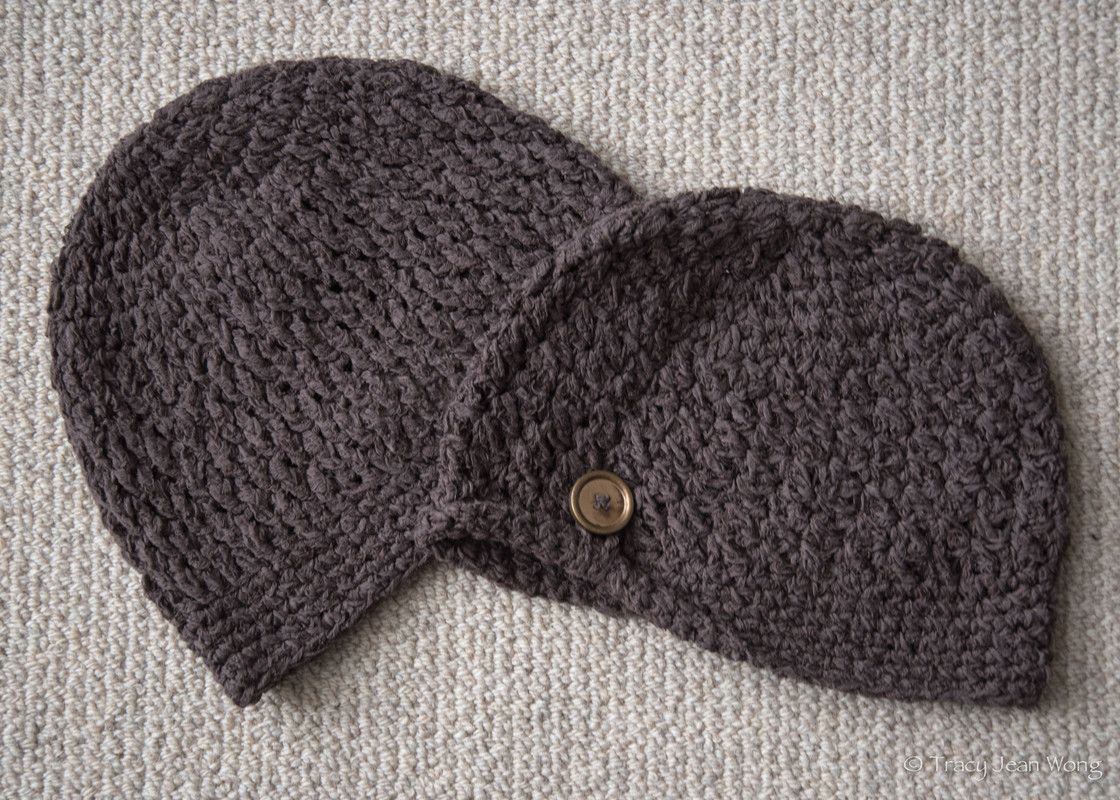
A new creation featuring V-stitches, a visor and a strap with buttons.
My sister wanted something a little different from the hats she already owns. She liked the V-stitch as seen in the Vee Beanie pattern by Simply Made by Erin. Rather than a conventional band, she requested a visor and strap with button adornments for flair.
A felted tweed aran, granite-coloured, 50% Merino Wool/25% Alpaca and 25% Viscose.
We selected a felted tweed aran with merino wool and alpaca to show off the V-shaped stitches. The yarn had enough structure to support a stiff brim. I also crocheted the brim with a smaller hook to give it a tighter weave. My sister dove into my button collection and picked out matching buttons.
The same hat in treacle.
The result was satisfying and I went on to make another similar hat in treacle, the colour of molasses. Then I morphed the pattern into a floppy beret using the same tweedy yarn in a colour named stone.
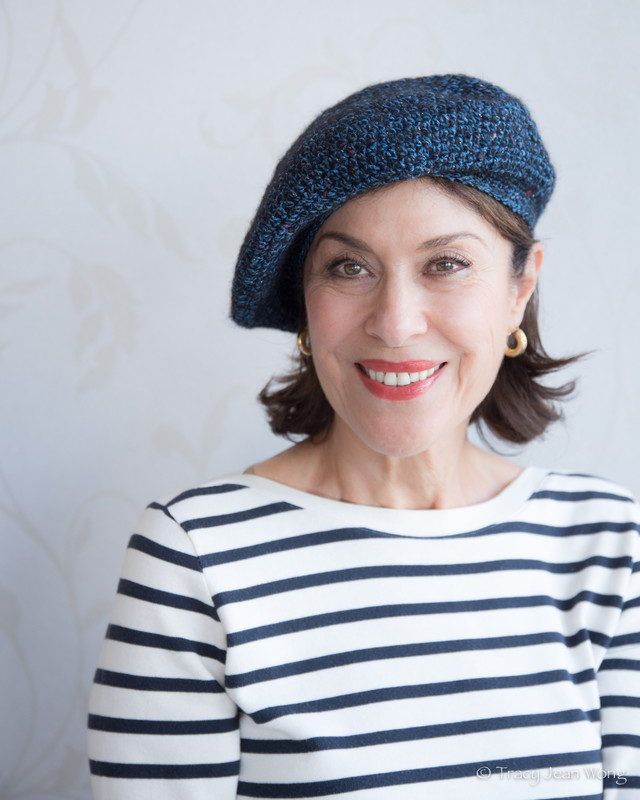
This is a V-stitch beret with a smaller visor and decorative strap. Elaine wears the beret so it slouches to one side.
Slouch Beanie and Windows Cowl, 50% Cotton/30% Viscose/20% Silk
Several customers and followers of this blog suggested that I make hat and scarf sets. I had acquired some beautiful oversized skeins of two Noro yarns. Perfect for projects that require more yarn. To the maker, that means less joining of yarn ends!
Feather and Fan Neck Scarf with buttons, adapted from design by Elisa Purnell, 50% Cotton/30% Viscose/20% Silk
“Noro Uchiwa” blends colours and makes up soft and tweed-like. It has fibres of cotton, viscose, and silk. I experimented with different scarf patterns and used vintage buttons to finish off the necklines.
Brickwork Beanie and Neck Scarf with button, 50% Cotton/30% Viscose/20% Silk
“Noro Tsubame” proved to be one of my favourite yarns. I crocheted a slouch beanie using the brickwork stitch and loved the way the silk and wool blend yarn seemed to naturally stripe. As well, I completed a one-skein scarf project. I left the scarf unblocked, giving it a wabi sabi, less is more, woven aesthetic.
I knitted this Flip Hat with a super bulky, single-ply, slightly felted Merino Wool with a twist.
Plying is the process of twisting two or more strands together to make one strand of yarn. When multiple strands are twisted together, they are stronger than “single-ply” yarns. A single-ply yarn is a single strand that isn’t plied with another and spinning the yarn gives it its twist. Since single-ply yarn isn’t as strong, it will break if you pull on it tightly. In other words, you need to take care when working with it.
The wide headband looks like it’s made from dreadlocks. The name of the yarn is Rasta which, in Spanish, means “dreadlock”.
The characteristics of single-ply yarn include its smooth surface, lightness and fluffy texture. With wear, the yarn will become fuzzy. Compare this with plied yarn where strands are twisted together, compress each other and the fuzziness or “halo” effect is not as noticeable. The downside is that single-ply yarn tends to pill easily. As a maker, you do not want to rip out stitches and work the yarn over and over again. As the owner of a garment made with single-ply yarn, you will want to handle it gently when wearing and washing it.
This Newsboy Hat in a crocheted herringbone stitch shows off the variegation of kettle dyed Merino Wool.
Single-ply yarns are ideal for hand dyeing. The outer surface absorbs dye more easily. During the making or wearing of the garment, fibres slide across each other, unwind and twist to reveal the lighter inner core. It gets even more interesting when more than one dye is used. Some dyes penetrate more easily, resulting in variegation in colour, tint, and saturation. Malabrigo, the producer of the yarn featured, says on their website https://malabrigoyarn.com/yarns/rasta, “When we dye our yarns, the same formula is used each time but every batch of yarn may vary. The differences from one dye lot to another can be very subtle, or extremely noticeable, specially on variegated yarns.”
I knitted this Flip Hat with a super bulky, single-ply, slightly felted Merino Wool with a twist.
Plying is the process of twisting two or more strands together to make one strand of yarn. When multiple strands are twisted together, they are stronger than “single-ply” yarns. A single-ply yarn is a single strand that isn’t plied with another and spinning the yarn gives it its twist. Since single-ply yarn isn’t as strong, it will break if you pull on it tightly. In other words, you need to take care when working with it.
The wide headband looks like it’s made from dreadlocks. The name of the yarn is Rasta which, in Spanish, means “dreadlock”.
The characteristics of single-ply yarn include its smooth surface, lightness and fluffy texture. With wear, the yarn will become fuzzy. Compare this with plied yarn where strands are twisted together, compress each other and the fuzziness or “halo” effect is not as noticeable. The downside is that single-ply yarn tends to pill easily. As a maker, you do not want to rip out stitches and work the yarn over and over again. As the owner of a garment made with single-ply yarn, you will want to handle it gently when wearing and washing it.
This Newsboy Hat in a crocheted herringbone stitch shows off the variegation of kettle dyed Merino Wool.
Single-ply yarns are ideal for hand dyeing. The outer surface absorbs dye more easily. During the making or wearing of the garment, fibres slide across each other, unwind and twist to reveal the lighter inner core. It gets even more interesting when more than one dye is used. Some dyes penetrate more easily, resulting in variegation in colour, tint, and saturation. Malabrigo, the producer of the yarn featured, says on their website https://malabrigoyarn.com/yarns/rasta, “When we dye our yarns, the same formula is used each time but every batch of yarn may vary. The differences from one dye lot to another can be very subtle, or extremely noticeable, specially on variegated yarns.”
I crocheted a blanket using a very thick, cozy yarn of acrylic and wool. This choice of yarn was intended to give the blanket the feel and warmth of wool, but also to be easy care—machine washable and dryer friendly. A couple of leftover balls got me working and playing again with supersized yarns.
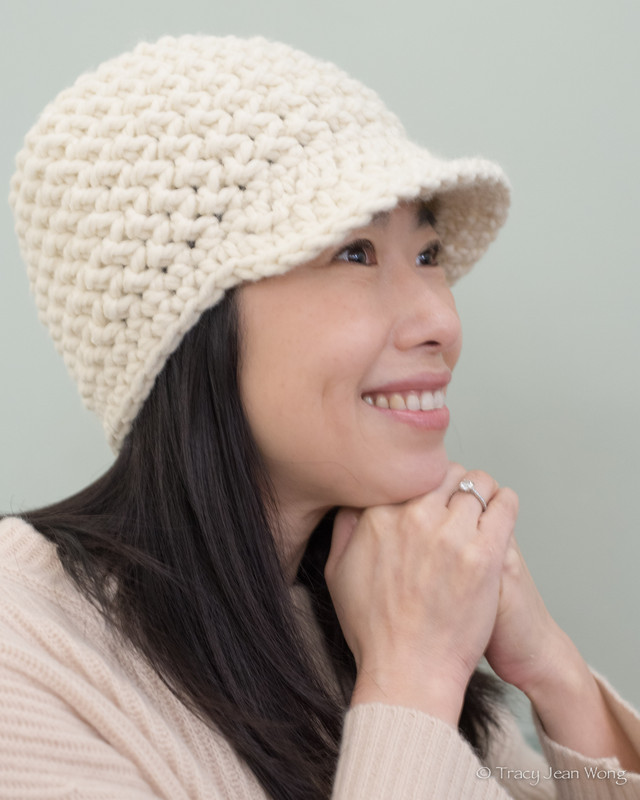
Bulky or chunky yarns are thicker than the common worsted weight yarns. Super bulky yarns are even thicker. Projects made with these yarns crochet or knit up with large hooks or needles and work up quickly. The heavier weight yarns are suitable for blankets, chunky sweaters and snuggly accessories. Stitches are easy to see and stand out, as in the herringbone hats featured.
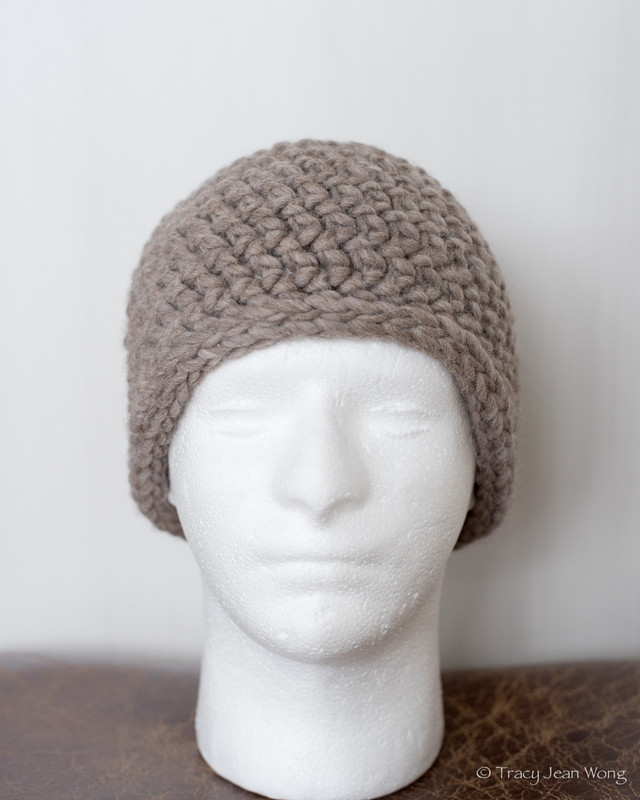
In the photo above, a very different look can be achieved using the same herringbone crochet stitch but with a different super bulky rustic wool. A braid-like edge finishes the hat to frame the face.
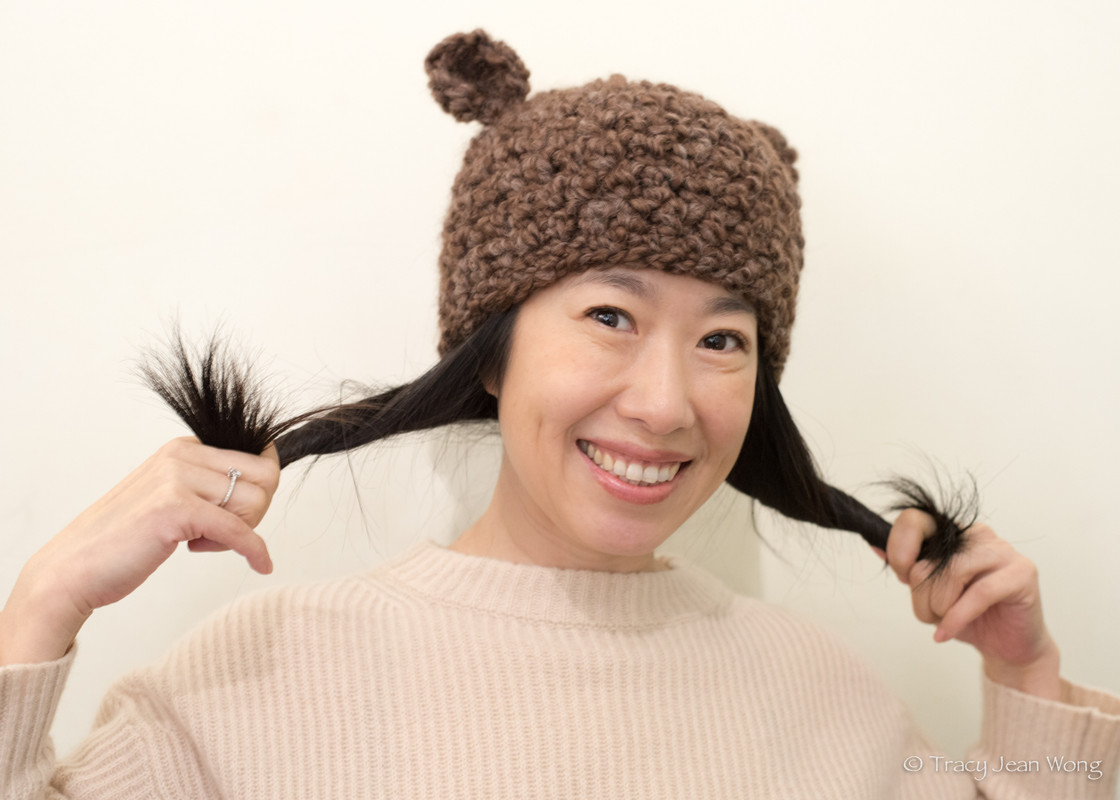
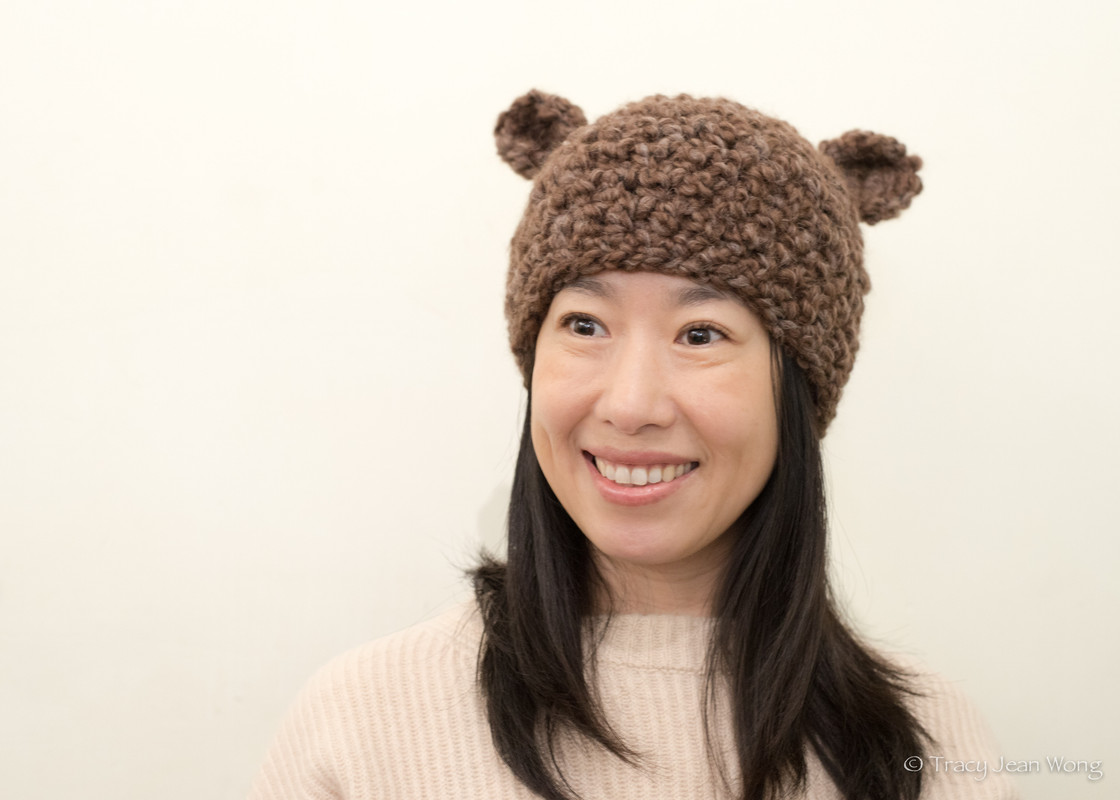
With a grizzly bear brown wool/alpaca bouclé, I had fun crocheting this bear beanie complete with ears. The yarn is super soft and squishy.
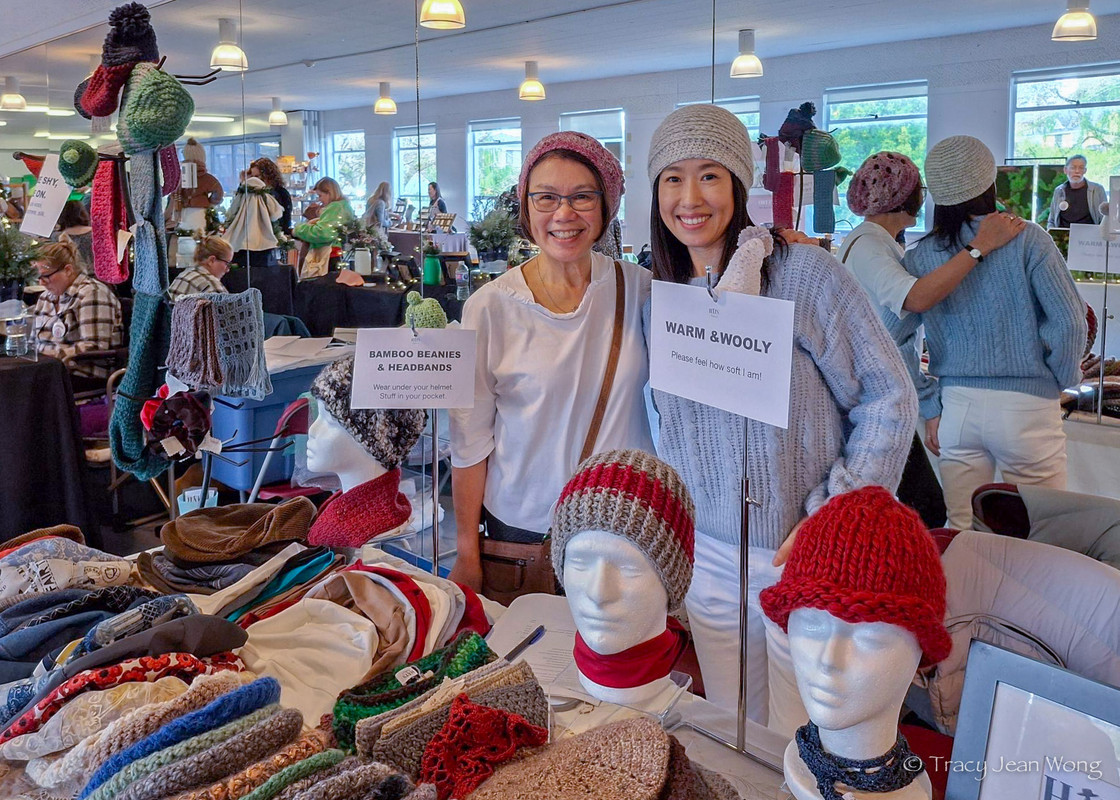
My 2024 holiday craft market season culminated at the Dunbar Community Centre in Vancouver. It was well attended and the shoppers were the discerning kind who appreciated handmade goods. Along with them, I admired the imagination, creativity and diversity of the other artisans present.
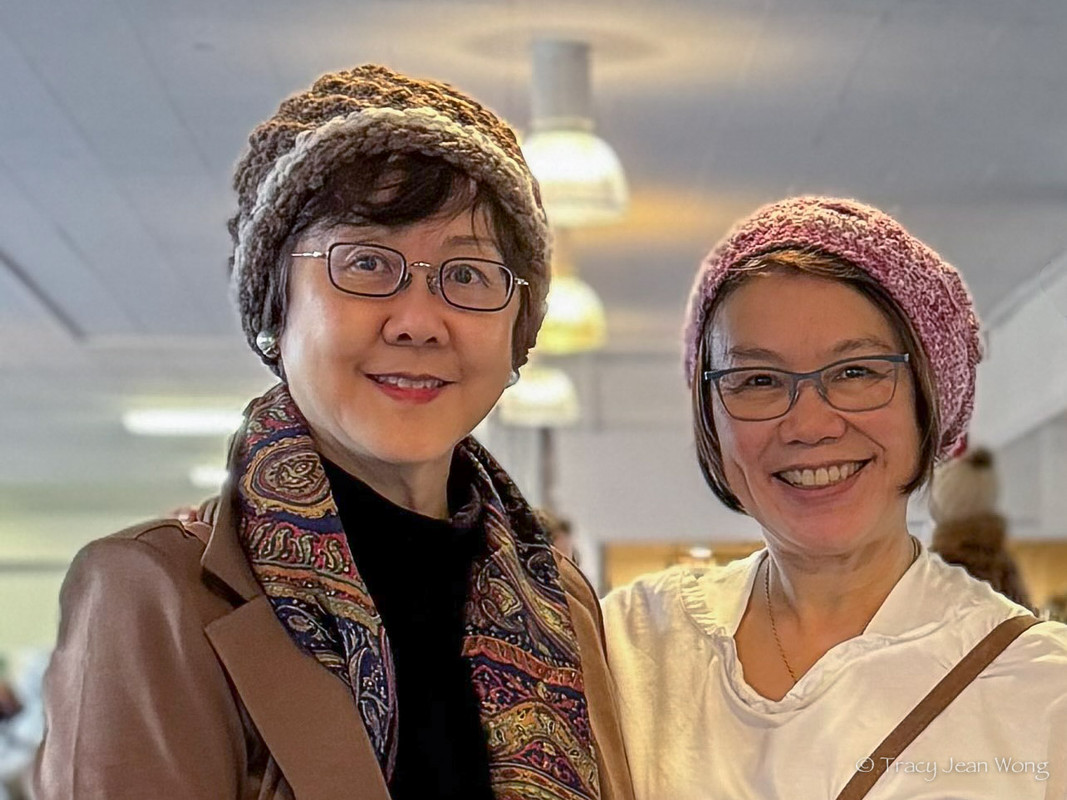
I want to take this opportunity to thank a few exceptional people who have supported me this year. You might recognize my models, Coco and Elaine. Terry works in the background reviewing and editing each blog post before it gets published. Coco, Elaine and Terry have also helped me out at markets. Steve and Russel have made guest appearances on my blog to show that men can wear Hats by Tracy J too. Thanks also to Marion who, not only sells my hats at her women’s clothing boutique, tenth&proper, but also shares nuggets of retail knowledge with me.
Anita says of her new hat, “One hat per year. This one is made with merino wool. Warm.”
I enjoy meeting new people as they try on my hats, but I especially like seeing loyal customers return. Fitting them with a new style is one of my delights. Happy Holidays to you all!
Bard & Banker Sip & Shop Holiday Market, Victoria, BC
Brickwork Hat (inspired by a design from The Lavender Chair) and Button Beanie Flapper Hat (design of Simply Made by Erin) crocheted in 61% Cotton/12% Linen and 27% Polyamide
Two people wearing similar hats draw attention. They could be a dazzling mother and daughter, a fun father and son, romantic partners, close sisters or BFFs.
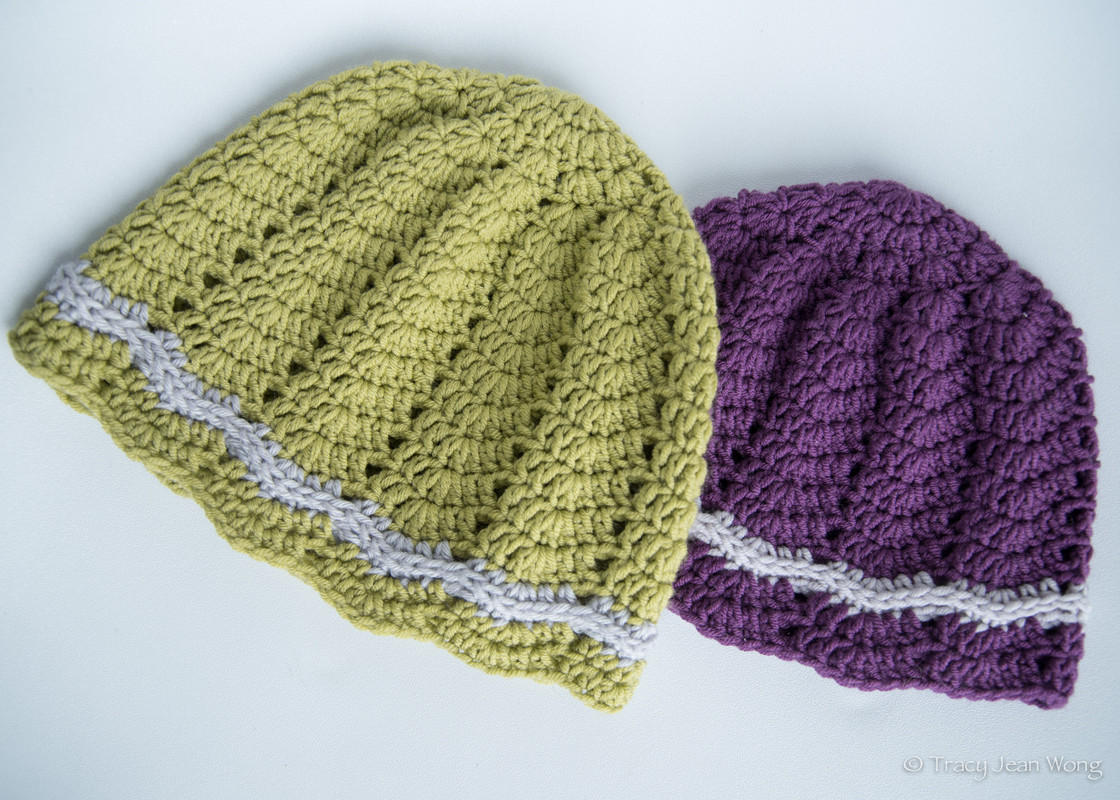
Charmed Cloches (design by Maria Bittner) for adult and infant, Merino Wool
I think it’s a bit too cutesy when the hats are identical or matchy-matchy. Coordinating hats is another story. The hat wearers can express their individuality and personality while wearing hats that resemble each other, for example, in colour, material or style. Each can wear what suits his or her face shape, features, and complexion.
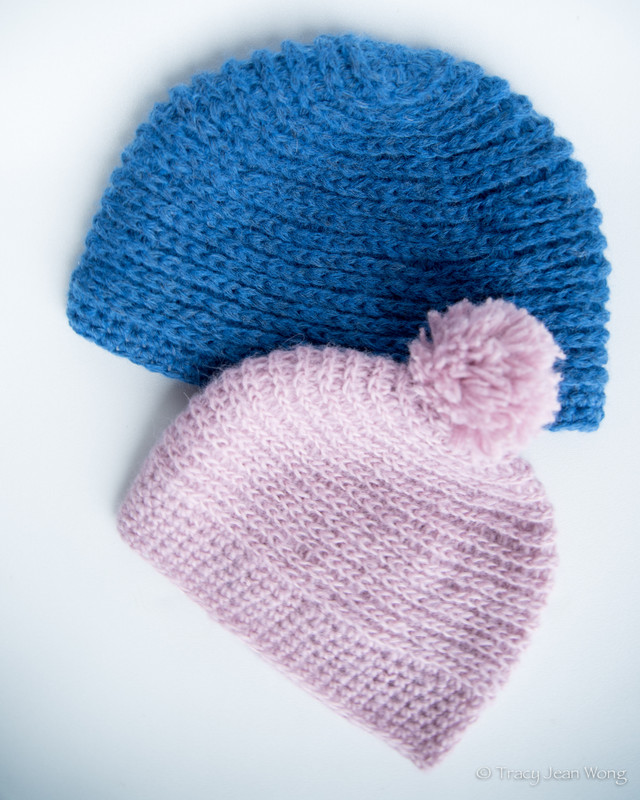
Lakeside Beanies (design by Chellie Plummer of 5 Knots North) for adult and child, Bluefaced Leicester Wool
It can be charming to see the reflection of an older person in a younger one sporting a coordinated hat, or the other way around. What’s suggested is belonging together, having fun or respecting each other. Regardless, there’s an indication of something special between two humans.
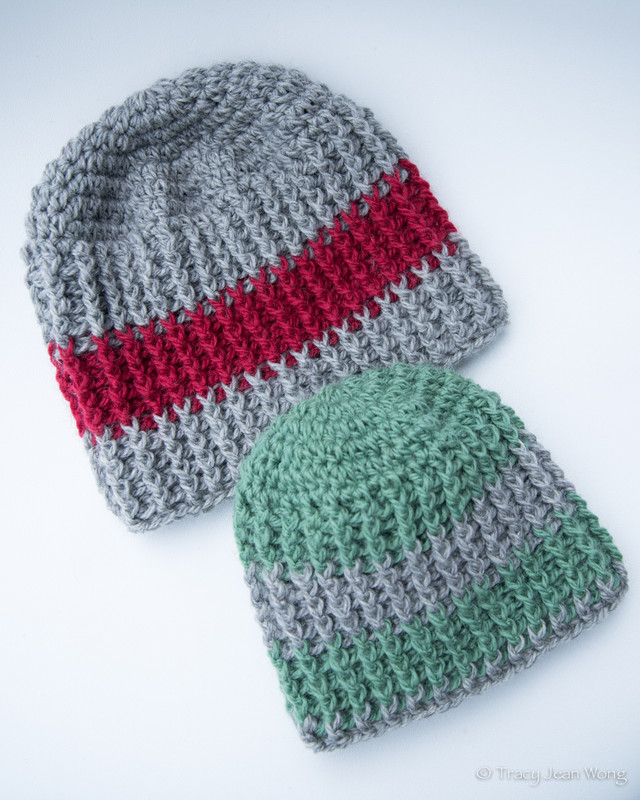
Frosty Morning (adapted from design of Susie Gourlay, Knit Natural), adult: 55% Alpaca/35% Cotton/10% Merino Wool, child: 57% Alpaca/43% Cotton
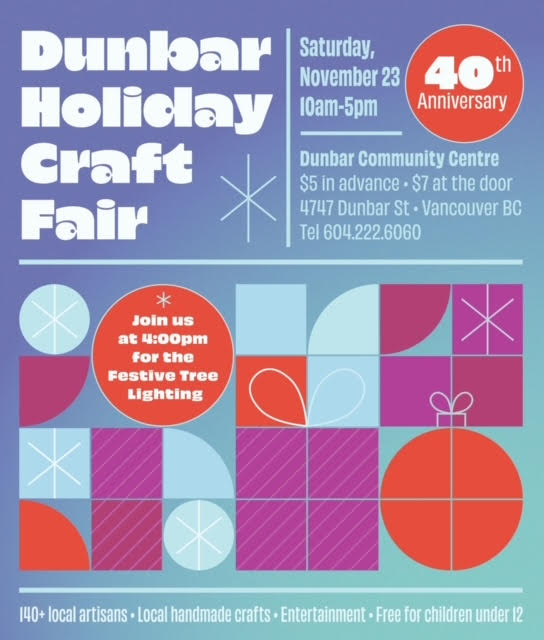
Looking for a gift? Come by Room 208, Table 20 at the Dunbar Community Centre this Saturday November 23, 2024. Tracy J will help you select the perfect hat or hats, one for you and one for someone special!
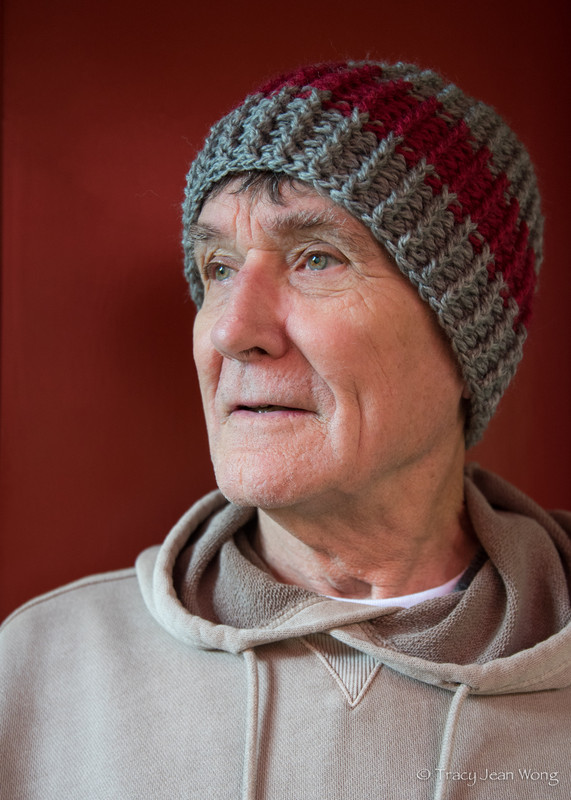
The Lakeside Beanie complements many face shapes and its ribbed pattern accommodates many head sizes. Design by Chellie Plummer of 5 Knots North, 100% Bluefaced Leicester Wool
There are many face shapes – oval, round, diamond, square, long and heart. You might have characteristics that are a combination of these. Categorizing the shape of a face is not an exact science, though attempts have been made by comparing measurements of facial length, forehead, cheekbones, and jaw. The shape of your face influences not only the choice of a flattering hat, but also that of hairstyle, eyewear and men’s facial hair.
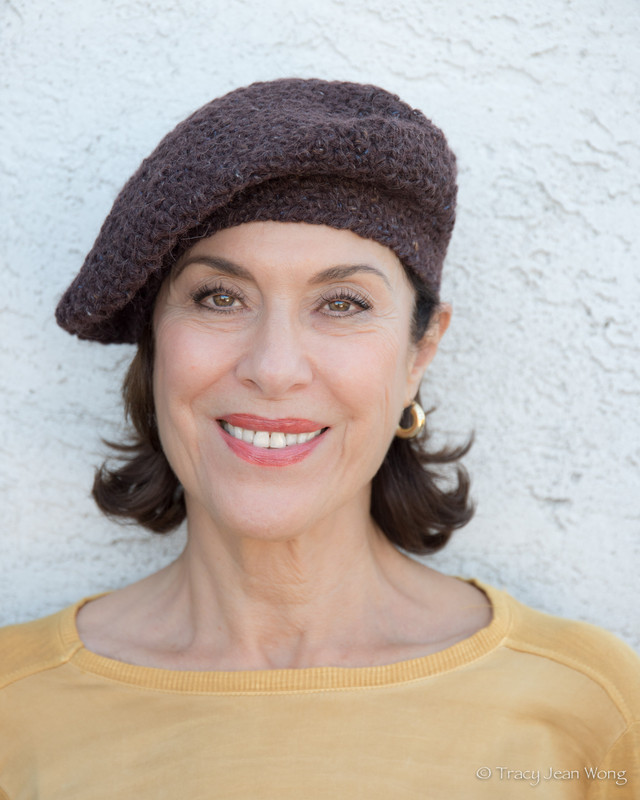
Almost any hat style works for an oval face. This beret is worn with the band halfway up the forehead with a classic tilt to one side. Seed Stitch Beret, Design by Jessica Lombard, Wool/Alpaca/Viscose
Use a hat’s structural elements to complement your facial shape. For example, someone with a round face might suit a hat with a longer crown and a brim worn at an angle. Conversely, a long face will appear better proportioned with a short crown and a wide brim. Add visual length to short faces and vice versa. Introduce linearity to roundness and soften angular features with curves.
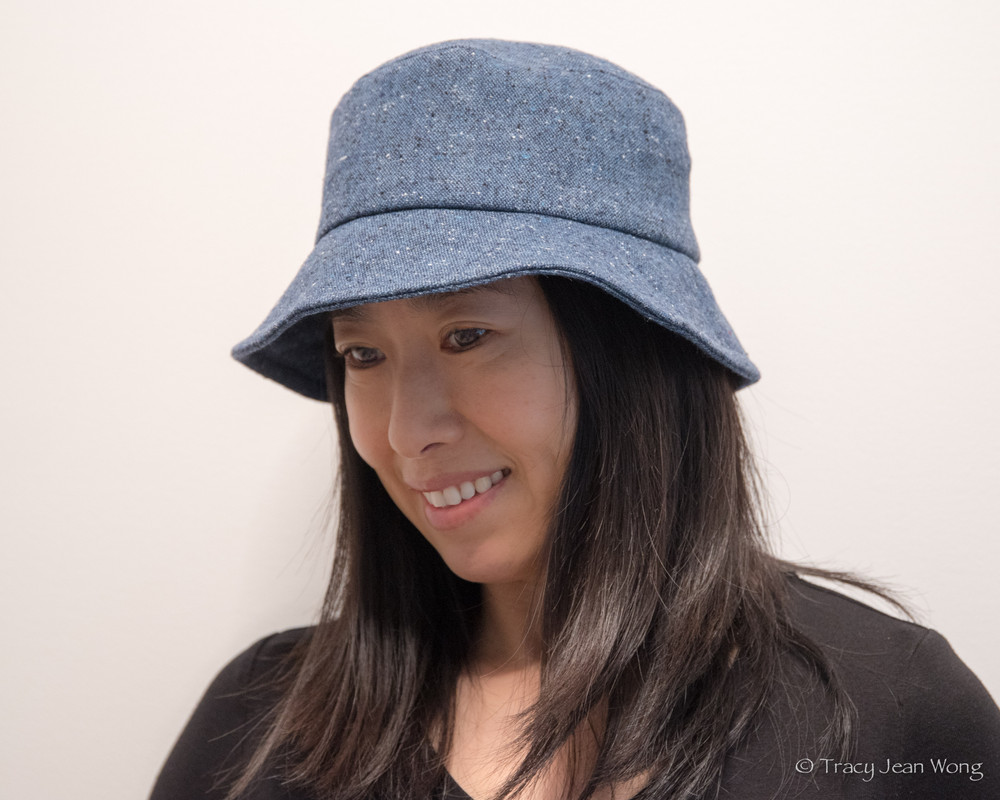
A Wool Tweed Bucket Hat with a shorter crown and medium brim suits the combination of a long and heart-shaped face.
I often hear two kinds of remarks. The first goes something like this. “I already have so many hats. Do I need another?” This person commonly has an oval face, the most versatile shape when it comes to rocking a multitude of styles. Another person states, “I don’t look good wearing hats, so I don’t.” This one has yet to find a hat that suits his or her specific facial shape.
I recommend fearlessly trying on many hats to find what looks and feels good on you. Take a trusted friend along. Experiment by adjusting the hat while wearing. You will recognize a great style as soon as you put it on and others will agree. Start with a classic style if you are a newbie. More seasoned hat wearers can go bolder and make a fashion statement. In any case, feel comfortable and confident to express yourself by wearing a hat!
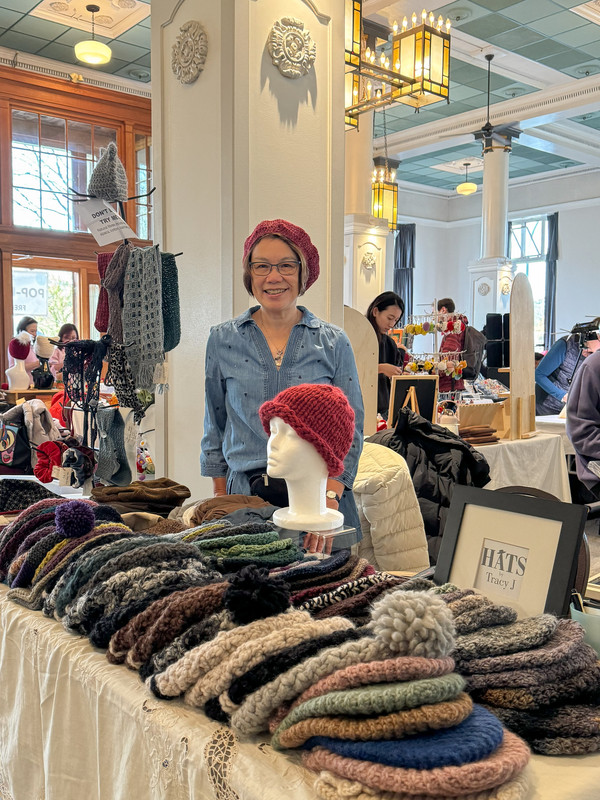
Tracy J wears a red metal tweed beret of natural and synthetic fibres designed by Joyce Nordstrom. The beret is worn with the band above the hairline and the beret pulled low on the back of the head.