
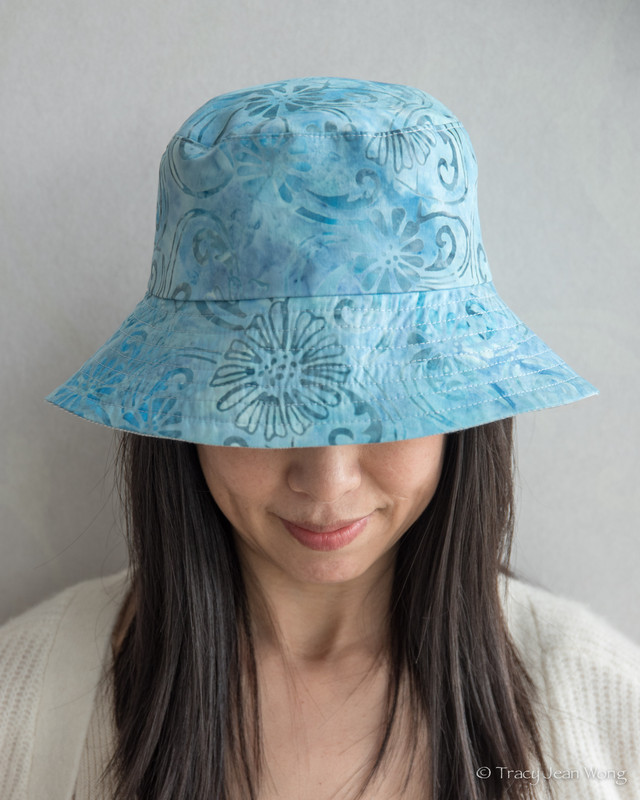
Batik is the art of decorating fabric—cotton, silk, linen, rayon and hemp—using wax and dyes. The origin of batik is uncertain, but some speculate that it spread from Asia along caravan trading routes over 2,000 years ago. Batik is now found worldwide. The batiks of the pleated skirts of the Miao people tell the history of their ancestors’ migration from China to Vietnam, Thailand and Laos. Still popular today, African Mali mudcloth came from an ancient technique that used a bath of leaves and branches, followed by mud dyeing and sun drying. Pysanky Easter eggs of Ukraine are decorated with symbolic motifs, often incorporating complex geometric or floral patterns.

Some of the best batik craftsmanship is found on the island of Java in Indonesia. In 2009, UNESCO recognized Javanese batik as a Masterpiece of Oral and Intangible Heritage of Humanity. Originally batik seemed a natural fit for Java with ready availability of the raw materials—cotton, beeswax and plants to provide natural dyes. A simplified explanation of batiking involves first blocking out or dotting (the Javanese word “tik” means to dot) designs on fabric with hot wax. Dye is applied and the wax resists the dye. Waxing and dyeing is repeated until the desired outcome is achieved. Then the wax is removed.

Contemporary batik can be crafted using a variety of techniques to apply wax and dyes. Tools such as wooden stamps and stencils create interesting visual effects. Different kinds of waxes and dyes, both natural and synthetic, are part of the batik artist’s kit.
 Hats by Tracy J